
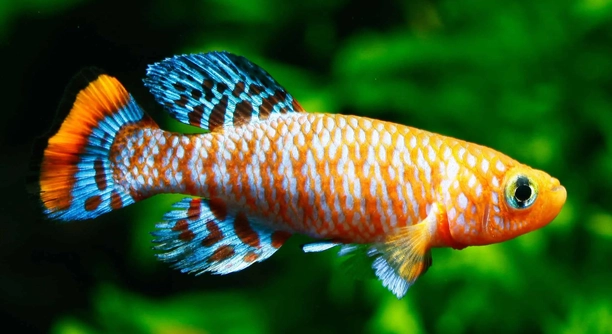
Killi fry are small, colorful fish often kept in home aquariums for their lively behavior and unique appearance. Providing the right diet is important for their health and vibrant colors. Natural food options can support their well-being effectively.
Seven natural food options for killi fry include microworms, daphnia, brine shrimp, vinegar eels, infusoria, newly hatched Artemia, and finely crushed flake food. These foods offer balanced nutrition and encourage healthy growth and development in young killifish.
Choosing the right natural foods ensures your killi fry thrive and develop properly. The following details will help you understand these options better.
Microworms for Killi Fry
Microworms are a popular first food choice for killi fry because of their small size and ease of digestion. These tiny worms are rich in protein and move slowly, making them easy for fry to catch and eat. You can culture microworms at home with simple supplies like bread and water, making them a cost-effective option. They help improve the fry’s appetite and growth during their early stages. Many keepers find that feeding microworms regularly results in healthier and more active fry. It is important to maintain a clean culture to avoid contamination and ensure the worms stay nutritious. Microworms also provide natural movement in the tank, which encourages the fry to hunt and practice their feeding skills. Introducing microworms as part of a varied diet contributes to balanced nutrition.
Microworms are small, easy to culture, and suitable as a starter food for killi fry.
Offering microworms supports early growth and encourages natural hunting behavior in fry. They are a reliable protein source and can be cultured at home, making them convenient for regular feeding.
Daphnia and Brine Shrimp
Daphnia and brine shrimp are excellent live food options that provide essential nutrients for growing killi fry. Daphnia are tiny water fleas found in freshwater and contain a good balance of protein and vitamins. Brine shrimp, especially newly hatched nauplii, are widely used due to their high protein content and ease of digestion. Both foods stimulate the fry’s natural feeding instincts with their movement, helping to develop their hunting skills. Daphnia can be purchased live or frozen, while brine shrimp eggs can be hatched at home with a simple setup. Feeding these foods regularly improves the fry’s overall health and coloration. It is important to feed them in moderation to avoid water quality issues. Including daphnia and brine shrimp in the diet creates variety and promotes well-rounded nutrition.
Daphnia and brine shrimp are nutritious live foods that enhance growth and coloration in killi fry. They support natural feeding behaviors and can be sourced or cultured with relative ease. Proper feeding helps maintain tank conditions and fry health.
Vinegar Eels
Vinegar eels are small, worm-like creatures often used as live food for tiny fry. They are easy to culture at home using apple cider vinegar and provide essential nutrients for early development.
These eels are a natural food source that is soft and easy for killi fry to consume. They swim slowly, making them simple prey for fry to catch. Vinegar eels contain good protein levels and help stimulate natural feeding behavior. Culturing vinegar eels requires minimal effort and space, which makes them convenient for regular feeding. They also contribute to variety in the diet, which can improve overall health and reduce feeding stress. It’s important to maintain hygiene during culturing to prevent contamination or mold growth.
Feeding vinegar eels supports healthy digestion and steady growth in killi fry. Their movement encourages hunting instincts while providing a rich source of nutrients. Including vinegar eels in the diet offers a balanced and natural option for young fish.
Infusoria
Infusoria are microscopic aquatic organisms ideal as a first food for tiny killi fry. They are rich in nutrients and easy to digest, making them a valuable starter food for fry less than a week old.
To culture infusoria, use organic matter like vegetable scraps or lettuce in water, which promotes their growth. These tiny creatures provide the necessary protein and fat required during early development stages. Infusoria help strengthen the fry’s immune system and encourage natural feeding behaviors. Because they are so small, they are suitable for the smallest fry that cannot handle larger food. Regular feeding of infusoria supports consistent growth and prepares fry for larger live foods. Offering infusoria is an effective way to ensure survival and vitality during the fragile early days. Proper culturing and feeding routines contribute significantly to raising healthy killi fry.
Newly Hatched Artemia
Newly hatched Artemia, or brine shrimp nauplii, are a highly nutritious food source for killi fry. Their small size and movement make them easy for fry to catch and digest.
They provide essential proteins and fats that support rapid growth. Artemia are widely used due to their availability and ease of hatching at home.
Finely Crushed Flake Food
Flake food can supplement live diets when crushed into fine particles suitable for fry. It offers balanced nutrition and is easy to store and use.
Using high-quality flakes ensures essential vitamins and minerals are included. Crushed flakes help transition fry to prepared foods as they grow.
Feeding Tips for Killi Fry
Consistent feeding schedules promote healthy growth and reduce stress in fry. Feeding small amounts multiple times a day prevents overfeeding and water quality problems. Maintaining clean water is crucial, especially when using live foods. Combining different food types ensures balanced nutrition and supports natural hunting behaviors. Observing fry during feeding helps identify any health issues early. Avoid feeding large particles that fry cannot consume. Gradually introducing varied foods prepares fry for adult diets and improves their chances of thriving in captivity.
Preparing Live Foods
Proper preparation of live foods includes rinsing and sorting to remove debris and unwanted organisms. Culturing should be done in clean containers with fresh supplies. Ensuring food is free from contaminants protects fry health. Feeding only the amount fry can consume prevents water fouling. Maintaining cultures regularly guarantees food availability and quality.
FAQ
What is the best natural food to start feeding killi fry?
The best natural food to start with is infusoria because of its tiny size and easy digestibility. It suits newly hatched fry that cannot eat larger food. Infusoria provides essential nutrients and encourages natural feeding behavior during the earliest days.
How often should killi fry be fed?
Killi fry should be fed small amounts several times a day, usually three to four times. Frequent feedings prevent hunger without polluting the tank. Offering only what the fry can consume in a few minutes helps maintain water quality and avoids overfeeding issues.
Can I feed only one type of natural food to killi fry?
Relying on only one type of food is not recommended. A varied diet including microworms, brine shrimp, daphnia, and others supports balanced nutrition. Different foods provide essential proteins, fats, and vitamins that together promote healthy growth and development.
Are live foods necessary for killi fry survival?
Live foods are highly beneficial because they stimulate natural hunting instincts and offer fresh, nutrient-rich meals. While some prepared foods can be used, live foods usually improve fry health and increase survival rates, especially during early growth stages.
How do I culture microworms at home?
Microworms can be cultured easily using a mixture of flour or bread crumbs and water placed in a shallow container. Adding a starter culture from a pet store helps. Keep the culture in a warm place, and harvest worms after a few days by gently rinsing the surface.
Is it safe to feed frozen or dried live foods?
Frozen or dried live foods can be convenient but may lose some nutritional value compared to fresh live food. They are still useful for occasional feeding but fresh live options generally provide better vitamins and encourage natural behaviors.
What are vinegar eels, and how do I culture them?
Vinegar eels are small nematodes grown in apple cider vinegar mixed with water and a bit of sugar. They multiply quickly in this environment and can be harvested as food for very small fry. Culturing requires regular monitoring to prevent mold or contamination.
Can I use crushed flake food alone for killi fry?
Crushed flake food alone is not ideal, especially for very young fry. It lacks the movement and natural texture of live food, which help stimulate feeding. However, it can be a useful supplement as fry grow and start accepting prepared foods.
How do I avoid water quality problems when feeding live foods?
Feed only small amounts that fry consume quickly to reduce leftover food. Regular tank maintenance and partial water changes are important. Using a sponge filter or gentle filtration can help keep water clean without harming fry.
When should I start transitioning killi fry to adult food?
Begin transitioning around three to four weeks after hatching. At this point, fry can handle larger particles and more prepared foods. Gradually mixing live and crushed flake or pellet foods ensures a smooth change and continued growth.
Can overfeeding affect the health of killi fry?
Yes, overfeeding can cause poor water quality and increase the risk of disease. It can also lead to digestive issues in fry. Feeding controlled portions and cleaning uneaten food promptly helps maintain a healthy environment.
Are daphnia and brine shrimp interchangeable in the diet?
Daphnia and brine shrimp both provide valuable nutrients but differ slightly. Daphnia have more fiber and can aid digestion, while brine shrimp are higher in protein. Using both creates a more balanced diet and supports overall fry health.
How long can I store cultured live foods?
Cultured live foods should be used within a few days to ensure freshness and nutritional quality. Some cultures, like microworms, can be maintained for weeks if cared for properly. Regularly refreshing cultures helps maintain a steady food supply.
Is it necessary to rinse live foods before feeding?
Rinsing live foods like brine shrimp or daphnia removes excess salts, debris, or unwanted organisms that could harm fry or pollute the tank. It is a simple step that improves water quality and reduces the risk of introducing contaminants.
What are signs that killi fry are not eating enough?
Signs include slow growth, lethargy, and increased hiding behavior. Fry may appear thin or weak and show less activity during feeding times. Adjusting feeding frequency or food type often helps improve appetite and health.
How do live foods improve coloration in killi fry?
Live foods provide natural carotenoids and other pigments that contribute to brighter colors. Nutrient-rich diets support healthy skin and scales, which enhances the fry’s natural beauty as they mature.
Can I feed adult killi fish the same live foods as fry?
Adult killi can eat many of the same live foods but generally require larger portions and a wider variety. As adults, they benefit from frozen or prepared foods combined with live options to maintain health and coloration.
Final Thoughts
Feeding killi fry the right natural foods plays an important role in their survival and healthy growth. Choosing appropriate options like microworms, infusoria, and newly hatched Artemia provides the nutrients fry need during their early development. These foods are small enough for the fry to eat easily and offer balanced protein, fats, and vitamins. Using a variety of natural foods supports well-rounded nutrition, which is necessary for strong growth and good coloration. Consistent feeding with quality live foods helps the fry develop proper hunting instincts and maintain good health.
Maintaining proper feeding habits and water quality goes hand in hand with choosing the right foods. Overfeeding or feeding too large portions can quickly deteriorate water conditions, harming the delicate fry. Feeding small amounts multiple times a day allows the fry to eat enough without causing pollution. Regular tank maintenance, including water changes and gentle filtration, is essential to keep the environment safe and clean. Rinsing live foods before feeding helps reduce contamination and maintains water quality. Attention to these details ensures the best conditions for raising healthy killi fry.
Natural live foods are a practical and effective way to care for killi fry. Many live foods can be cultured at home with simple supplies, which makes them affordable and accessible. They also encourage natural behaviors and provide fresh nutrition compared to solely relying on prepared foods. Gradually introducing different food types as the fry grow helps ease the transition to adult diets. Taking the time to learn about the feeding needs of killi fry and providing varied, nutritious foods contributes greatly to their long-term well-being and success in the aquarium.

Hello,
If you enjoy the content that we create, please consider saying a "Thank You!" by leaving a tip.
Every little bit helps us continue crafting quality advice that supports the health, happiness, and well-being of pets around the world, for pets of all shapes, sizes, and species.
We really appreciate the kindness and support that you show us!