
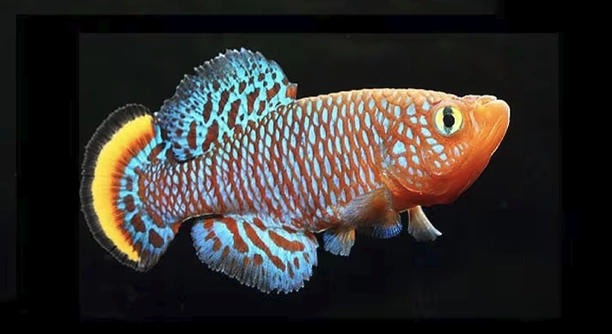
Killi fish are known for their quick and sudden movements, which often surprise their owners. These small, colorful fish tend to dart around the tank, creating a lively and active environment. Understanding their behavior helps in creating a better habitat for them.
Killi fish dart quickly mainly due to their natural instinct to avoid perceived threats. This rapid movement is a survival mechanism to escape predators or sudden disturbances in their environment, such as changes in light, water quality, or sudden noises.
Learning why your killi fish behave this way can improve how you care for them. The following information will help you create a calm and safe space for these energetic fish.
Why Killi Fish React to Sudden Movements
Killi fish have a strong survival instinct that makes them react quickly to any sudden movement around their tank. This behavior is rooted in their need to avoid predators in the wild. Even small changes like a shadow passing over the tank or someone moving nearby can cause them to dart away. Their eyesight is very sensitive, and quick reactions help keep them safe. Additionally, sudden noises or vibrations can startle them, leading to rapid swimming. If the environment feels unpredictable, killi fish may stay on edge, constantly ready to escape. Creating a stable and calm environment reduces their stress and helps them behave more naturally.
Providing consistent lighting and limiting sudden changes around the tank supports calmer behavior. They respond well to steady conditions without unexpected disruptions.
Adjusting your surroundings and how you interact with your killi fish can make a noticeable difference. Reducing abrupt stimuli helps them feel secure and less prone to darting. Over time, you will likely see more relaxed swimming patterns and less frantic movement.
Tank Setup and Environmental Factors
Killi fish need a tank that mimics their natural habitat to feel comfortable and safe.
The right tank conditions include plenty of hiding spots, stable water temperature, and clean water. These factors reduce stress and help control their darting behavior.
A tank with plants, rocks, and other cover allows killi fish to retreat when they feel threatened. Water quality plays a significant role; poor conditions increase stress and cause more erratic swimming. Maintaining the temperature within their ideal range, usually between 72°F and 75°F, supports their health and calmness. Frequent water changes and a good filtration system help keep the environment stable. Bright lighting or frequent light changes can disturb them, so soft or adjustable lighting is preferred. Ensuring the tank is in a quiet area away from loud noises or heavy foot traffic also helps. Overall, paying close attention to tank conditions creates a peaceful space where killi fish feel secure and reduce their sudden dashes.
Feeding and Interaction
Killi fish can become startled during feeding if sudden movements are made near the tank.
Feeding time should be calm and consistent. Sudden hand movements or tapping the glass can cause your fish to dart away. Offering food gently and at regular intervals helps them associate your presence with something positive. This reduces fear and encourages calmer behavior.
Interacting quietly and slowly around the tank builds trust. Killi fish recognize routines and may become less skittish when they know feeding time is near. Avoid tapping or shaking the tank, as this can cause unnecessary stress and erratic swimming. A peaceful feeding environment helps maintain their health and comfort.
Health and Stress Factors
Stress from poor health or illness can cause killi fish to dart more frequently.
Stress weakens their immune system and leads to restless behavior. Signs of illness may include loss of color, clamped fins, or refusal to eat. Early detection is crucial to prevent further problems.
Keeping water clean and stable reduces stress significantly. Avoid overcrowding the tank, as too many fish create competition and tension. Regular observation helps catch any health issues early. A healthy killi fish is more likely to swim calmly and enjoy its environment. Taking care of their physical needs directly impacts their behavior.
Tank Size and Space
A small tank can make killi fish feel confined, leading to faster darting.
Providing enough space allows them to swim freely and reduces stress from feeling trapped.
Lighting Conditions
Bright or flickering lights can startle killi fish, causing sudden movements.
Using soft, stable lighting helps create a calm environment that supports natural behavior.
Compatible Tank Mates
Killi fish may dart if housed with aggressive or overly active species.
Choosing peaceful tank mates reduces stress and prevents constant fleeing or hiding.
FAQ
Why do my killi fish dart when I approach the tank?
Killi fish have a natural instinct to react quickly to any sudden presence. When you come near the tank, they may see your movement as a potential threat. This causes them to swim away rapidly. Over time, gentle and slow movements around the tank can help them feel less threatened and reduce this darting behavior.
How can I reduce my killi fish’s sudden darting?
Creating a stable environment with minimal disturbances is key. Keep lighting soft and consistent, avoid tapping the glass, and limit loud noises near the tank. Providing plenty of hiding spots and maintaining good water quality also helps lower stress, which reduces darting.
Is darting a sign of illness in killi fish?
While darting is usually a natural behavior, excessive and frantic swimming can indicate stress or health issues. Watch for other signs like loss of color, clamped fins, or lack of appetite. If these appear alongside darting, it is best to check water conditions and consider consulting a vet.
Can tank size affect how much my killi fish dart?
Yes, a tank that is too small can cause stress and make fish feel confined. This often leads to more darting and restless swimming. Providing a larger tank gives killi fish more space to swim comfortably, which can help calm their movements.
Do certain tank mates cause killi fish to dart more?
Aggressive or overly active fish can scare killi fish, causing them to dart frequently. It’s important to select peaceful species that won’t compete for space or food. Calm tank mates reduce stress and encourage natural swimming behavior.
How does feeding influence darting behavior?
Sudden movements during feeding can startle killi fish, triggering darting. Feeding calmly and consistently at set times helps fish associate your presence with food rather than danger. Using gentle movements when adding food encourages more relaxed behavior.
Does lighting affect how killi fish behave?
Bright or flickering lights can stress killi fish, causing rapid darting. Soft, stable lighting creates a calm environment and helps fish maintain normal swimming patterns. Using dimmable or indirect light sources is ideal.
What environmental changes should I avoid to prevent darting?
Avoid sudden changes like rapid temperature shifts, loud noises, or frequent water changes without acclimation. These disruptions can startle killi fish and increase stress levels. Keeping a steady, predictable environment helps them stay calm.
How long does it take for killi fish to get used to new surroundings?
Killi fish may take days to weeks to settle in after being introduced to a new tank. Providing hiding places and keeping the environment stable helps them adjust faster. Patience and minimal disturbance during this period support their comfort.
Can stress from overcrowding cause darting?
Overcrowding increases competition and stress, leading to frantic swimming and darting. Ensuring adequate space per fish and avoiding too many tank mates reduces stress and promotes peaceful behavior. A well-planned community tank is important for killi fish wellbeing.
Killi fish are naturally quick and alert, which explains much of their darting behavior. Their sudden movements are primarily a defense mechanism, helping them avoid potential threats in their environment. Understanding this instinct can make it easier to accept and manage their behavior. Rather than seeing darting as a problem, it is helpful to view it as a natural part of their survival strategy. This perspective allows for more patience and informed care, which benefits both the fish and their owners.
Creating a calm and stable environment is key to reducing excessive darting. Proper tank setup, including enough space, hiding spots, and soft lighting, can help killi fish feel more secure. Consistent feeding routines and gentle interactions also build trust and reduce stress. Monitoring water quality and ensuring compatible tank mates further support their health and calmness. When these factors are addressed, killi fish are more likely to swim calmly and display their vibrant colors, making the aquarium a more enjoyable place to watch.
Finally, patience is important when caring for killi fish. They may take time to adjust to new surroundings and routines. Observing their behavior closely allows you to identify signs of stress or illness early. By providing a thoughtful environment and meeting their needs, you encourage healthier and more natural behavior. This approach not only improves the wellbeing of your killi fish but also creates a rewarding and peaceful aquarium experience.

Hello,
If you enjoy the content that we create, please consider saying a "Thank You!" by leaving a tip.
Every little bit helps us continue crafting quality advice that supports the health, happiness, and well-being of pets around the world, for pets of all shapes, sizes, and species.
We really appreciate the kindness and support that you show us!