
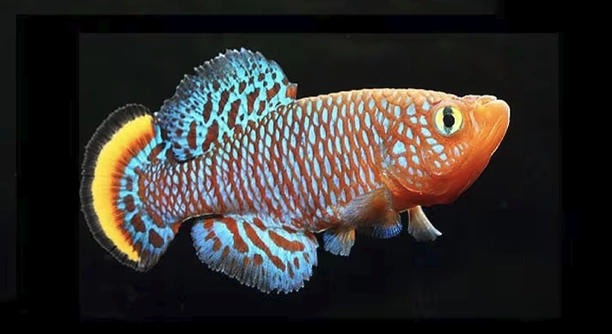
Raising killi fry can be a rewarding experience for aquarium enthusiasts. These small fish require special care in their early stages to ensure healthy growth. Many hobbyists look for practical tools to make the process easier and more successful.
Several tools can simplify raising killi fry by providing better control over their environment and diet. Items such as specialized breeding tanks, fine mesh nets, and feeding tools help protect the fry while ensuring they receive appropriate nutrition and clean water conditions.
Understanding the right equipment can improve your chances of successfully raising healthy killi fry and make the process less stressful for both you and your fish.
Breeding Tanks Designed for Killi Fry
Breeding tanks made specifically for killi fry offer a controlled environment that supports their delicate needs. These tanks often come with partitions or inserts to separate adults from fry, preventing accidental predation. They also provide ample space for the fry to swim and hide, which reduces stress. The design allows for easy water changes and maintenance, helping to maintain stable water quality. Stability is critical, as young fry are sensitive to fluctuations in temperature and water chemistry. Many of these tanks have fine mesh covers or removable lids that improve ventilation without risking fry escaping. Using a breeding tank suited to killifish can boost fry survival rates by creating a safer, more stable habitat.
A specialized breeding tank helps you manage water conditions and separate the fry efficiently, making your care routine simpler and more effective.
With proper use, these tanks reduce the risk of fry being eaten and help maintain consistent water parameters, which are essential for early development stages.
Fine Mesh Nets for Fry Handling
Fine mesh nets are essential tools for safely handling killi fry. Unlike regular nets, the mesh is soft and small enough to prevent injury while capturing tiny fry. Using these nets reduces stress and damage during transfers or cleaning, which is critical for fragile young fish. Fine mesh nets also allow for gentle water flow, avoiding sudden currents that could harm the fry. They come in various sizes to fit different tank setups and can be used to separate fry from adults or move them for treatment. Keeping a fine mesh net handy simplifies tank maintenance and fry care by providing safe handling options.
These nets protect fry during transfers, reducing physical harm and stress.
Using the right mesh size prevents accidental injuries, which supports healthier fry development. Gentle handling during cleaning or relocation keeps the fry safer.
When caring for killi fry, careful handling is just as important as water quality and feeding. Fine mesh nets provide a practical solution to manage delicate fry safely.
Feeding Tools for Precise Nutrition
Feeding tiny killi fry can be challenging without proper tools. Specialized feeding implements, such as small pipettes or turkey basters, allow precise delivery of food directly to the fry, minimizing waste and preventing water pollution. These tools help target live foods like baby brine shrimp or finely crushed flakes, which are suitable for the fry’s small mouths. Controlled feeding reduces uneaten food accumulation, which can cause ammonia spikes harmful to fry health. Additionally, feeding tools make it easier to feed multiple small groups evenly, ensuring each fry receives adequate nutrition. Consistent feeding schedules paired with proper tools help promote steady growth and development.
Feeding tools allow you to control the amount and placement of food carefully.
Precise feeding reduces leftover food in the tank, improving water quality and fry health.
Using these tools saves time and ensures the fry get the nutrition they need, supporting their growth efficiently.
Water Condition Monitoring Devices
Monitoring water quality is vital when raising killi fry. Devices like digital testers for pH, ammonia, and temperature help maintain optimal tank conditions. Fry are sensitive to small changes, so frequent checks are necessary. These tools provide accurate readings, allowing prompt adjustments before problems arise. Maintaining stable water chemistry reduces stress and disease risks, improving fry survival rates. Some devices combine multiple functions, making monitoring easier and more convenient. Investing in reliable water condition tools ensures the environment stays safe for the fry during their vulnerable early stages.
Consistent water monitoring prevents sudden changes that can harm fry.
Reliable devices help keep conditions within safe ranges, supporting healthy development.
By regularly checking key parameters, you protect your fry from avoidable health issues caused by poor water quality.
Temperature Control Equipment
Maintaining stable temperature is essential for killi fry survival. Sudden fluctuations can cause stress or death. A reliable heater with a thermostat helps keep water temperature consistent. Using a small, adjustable heater designed for fry tanks is best.
Temperature control devices are easy to set up and maintain. They provide precise heating to keep the water within the ideal range, usually between 72°F and 78°F for most killifish fry. Consistency reduces stress and supports healthy development during the critical early stages.
Some models include built-in safety features like automatic shut-off to prevent overheating. Pairing these with a thermometer allows constant monitoring, ensuring the environment remains stable. Proper temperature control is one of the simplest yet most effective ways to improve fry survival rates.
Fry-Specific Filtration Systems
Low-flow filtration systems are designed to protect fragile fry from strong currents. They gently remove waste without disturbing the fry or sucking them into the filter. Sponge filters are popular because they provide biological filtration and a soft water flow.
Using fry-specific filters helps maintain clean water while preventing injury or stress to the young fish. These filters support beneficial bacteria growth that keeps ammonia and nitrite levels low, which is vital for fry health. Sponge filters also provide surface area where microfauna can grow, serving as an additional food source for fry.
Installation is simple, and these systems are cost-effective, making them practical for hobbyists. Maintaining clean water reduces disease risk and encourages steady growth. Choosing the right filtration system can make daily care easier and improve overall tank health.
Lighting Control Tools
Proper lighting helps regulate fry behavior and growth. Using adjustable lighting allows control over intensity and duration, mimicking natural conditions. This reduces stress and encourages healthy development.
Timers are useful to maintain consistent light cycles, which helps stabilize the tank environment and supports the fry’s biological rhythms.
Automatic Feeding Devices
Automatic feeders can deliver small, precise amounts of food at regular intervals. This ensures fry are fed consistently, even when schedules are busy. They reduce the risk of overfeeding and help maintain water quality by preventing excess food buildup.
Water Change Equipment
Water changes are essential for maintaining clean conditions. Using siphons or gravel vacuums makes the process easier and less stressful for fry. These tools help remove debris without disturbing the tank environment too much.
Fry Nets
Fry nets are smaller and softer than regular nets, designed to handle tiny fry gently. They help transfer fry safely during tank cleaning or sorting, minimizing the risk of injury.
FAQ
What is the best tank size for raising killi fry?
A small breeding tank around 5 to 10 gallons works well for killi fry. It provides enough space for the fry to swim and hides while keeping water easier to maintain. Larger tanks can be harder to manage for young fry because water parameters fluctuate more.
How often should I feed killi fry?
Feeding small amounts two to three times daily is recommended. Young fry need frequent feeding because of their fast growth and high metabolism. Overfeeding should be avoided to prevent water quality problems. Use small portions that the fry can consume within a few minutes.
Can I raise killi fry with other fish?
It is best to keep killi fry separate from adult fish or other species. Many adult fish may eat the fry, and competition for food can cause stress or poor growth. Using a dedicated breeding or nursery tank helps protect the fry during early development.
What temperature range is ideal for killi fry?
Most killi fry thrive between 72°F and 78°F. Keeping the temperature stable within this range supports proper growth and reduces stress. Sudden temperature changes can cause illness or death, so using a reliable heater and thermometer is important.
How do I prevent fungus or infections on the fry?
Maintaining clean water and good filtration reduces the risk of fungus and infections. Avoid overcrowding and remove uneaten food promptly. Adding mild antifungal treatments designed for fry tanks can help if problems arise but should be used carefully.
Is live food necessary for raising killi fry?
Live food like baby brine shrimp or micro worms provides excellent nutrition and stimulates natural hunting behavior. While frozen or prepared foods can be used, live food often improves survival and growth rates because of its freshness and movement.
How long does it take for killi fry to grow?
Killi fry typically develop rapidly and reach juvenile stage within 4 to 6 weeks. Growth rates depend on diet, water quality, and species. Consistent care with proper feeding and stable conditions supports steady development.
When can killi fry be introduced to the main tank?
Fry should be moved to a larger community or grow-out tank once they are large enough to avoid predation, usually around 6 to 8 weeks. Gradual acclimation to new water conditions reduces stress during transfer.
How important is water quality in raising killi fry?
Water quality is crucial. Poor water conditions lead to stress, disease, and high mortality rates. Frequent water testing and regular partial water changes help maintain a stable, clean environment for the fry.
Can I use tap water for the fry tank?
Tap water can be used if it is treated to remove chlorine, chloramine, and heavy metals. Using water conditioners makes tap water safe for fry. Testing pH and hardness helps ensure the water matches the species’ preferred conditions.
What equipment is essential for beginners raising killi fry?
Basic equipment includes a small breeding tank, heater with thermostat, fine mesh nets, sponge filter, and feeding tools. Starting with this setup makes fry care more manageable and increases the chances of success.
How do I know if the fry are healthy?
Healthy fry are active, swim steadily, and show normal coloration for their species. They should eat regularly and grow at a steady pace. Signs of illness include lethargy, clamped fins, white spots, or unusual swimming behavior.
Can I breed killifish year-round?
Some killifish species can breed year-round if conditions are ideal, including stable temperature, lighting, and water quality. Others have seasonal breeding patterns and may require environmental cues like temperature changes or specific photoperiods.
What are the common mistakes to avoid when raising killi fry?
Avoid overfeeding, poor water maintenance, overcrowding, and mixing fry with adult fish too early. Sudden changes in temperature or water chemistry can also be harmful. Consistent monitoring and gentle handling improve survival rates.
Is it necessary to use specialized fry food?
Specialized fry food is designed to be small enough and nutritionally balanced for young fish. While live food is preferred, high-quality powdered or micro-pellet fry foods are helpful supplements, especially when live food is unavailable.
How often should I clean the fry tank?
Partial water changes of 20-30% once or twice a week help maintain water quality without disturbing the fry too much. Cleaning equipment gently and avoiding full water changes keeps the environment stable and safe.
Final Thoughts
Raising killi fry can be a delicate process that requires attention to detail and patience. Using the right tools makes this task much easier and increases the chances of success. From specialized breeding tanks to fine mesh nets and feeding devices, each piece of equipment plays a role in providing a safe and healthy environment for the fry. Maintaining stable water conditions and proper nutrition are key factors that influence their growth and survival. When these elements are managed well, the fry have a better chance of developing into strong, healthy adult fish.
It is important to keep in mind that consistency is essential when caring for killi fry. Regular monitoring of water parameters, gentle handling, and controlled feeding schedules all contribute to their well-being. Using tools designed specifically for fry care reduces stress for both the fish and the caretaker. Even small adjustments, like maintaining stable temperature or using a low-flow filter, can have significant effects on fry health. Paying attention to these details can prevent common problems such as disease, poor growth, or fry loss.
While raising killi fry may require some effort and learning, it can also be rewarding. Having the right equipment and knowledge simplifies the process and leads to better results. Understanding the specific needs of the fry and providing consistent care helps ensure their survival and development. For anyone interested in breeding killifish, investing in these helpful tools and following proper care guidelines will make the experience more manageable and enjoyable.

Hello,
If you enjoy the content that we create, please consider saying a "Thank You!" by leaving a tip.
Every little bit helps us continue crafting quality advice that supports the health, happiness, and well-being of pets around the world, for pets of all shapes, sizes, and species.
We really appreciate the kindness and support that you show us!