
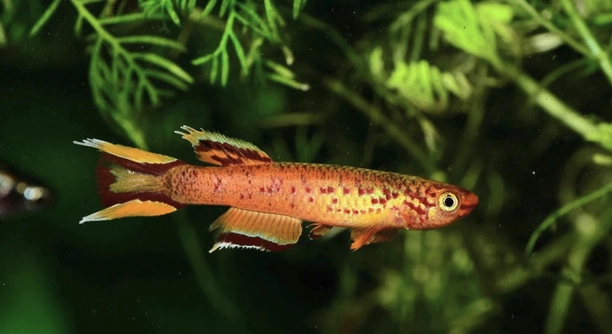
Do your indoor tanks feel a little dull without much movement or personality? Killi fish might be the perfect addition you need.
To keep Killi fish healthy indoors, maintain clean water conditions, regulate temperature consistently, and provide a well-covered tank to prevent escape. These small, colorful fish thrive with proper care, attention to detail, and a peaceful tank environment.
Creating a suitable home for your Killi fish involves more than just clean water—it’s about understanding their unique needs and habits.
Choose the Right Tank Setup
Killi fish prefer shallow tanks with a secure lid, as they are known to jump. A 10-gallon tank works well for most species, especially if you’re keeping just a pair or trio. These fish enjoy planted environments with gentle filtration, low water flow, and hiding spaces like driftwood or dense vegetation. Adding floating plants can help diffuse light, reduce stress, and create a natural feel. A sponge filter is often the best choice to avoid strong currents while keeping the water clean. Gravel or sand substrates are both acceptable, though darker tones often enhance their vibrant colors. Make sure your tank has a lid that fits snugly, since Killi fish can leap unexpectedly, especially during feeding or when startled.
The tank should be fully cycled before introducing Killi fish. Stable water quality plays a major role in their well-being.
Taking the time to set up a proper tank creates a more natural and safe space. This step makes future maintenance easier too.
Maintain Stable Water Parameters
Consistency in water conditions keeps Killi fish healthy. Avoid large, sudden changes in temperature or pH, as these can cause stress.
Killi fish thrive in slightly acidic to neutral water, ideally with a pH between 6.0 and 7.5. Temperature should stay between 72°F and 75°F, depending on the species. Use a reliable heater and thermometer to keep things steady. Frequent small water changes, about 10–15% weekly, help keep nitrates low and conditions stable. Monitor ammonia and nitrite levels using a quality test kit. These fish are more sensitive to poor water quality than some other freshwater species, so clean filters regularly, but avoid washing them in tap water—use tank water instead to preserve helpful bacteria. Killi fish also respond well to soft water, so using reverse osmosis water mixed with tap water may improve their color and health if your local water is hard. The key is to test your water regularly and avoid letting conditions fluctuate.
Feed Them a Balanced Diet
Killi fish need a protein-rich diet to stay healthy and active. Live or frozen foods like brine shrimp, daphnia, and bloodworms are ideal for daily feeding.
Dry foods can be used occasionally, but they should not be the main source of nutrition. Live and frozen foods provide essential nutrients and help bring out the fish’s natural behavior. Feed small amounts once or twice a day, offering only what they can eat in about two minutes. Overfeeding can pollute the tank quickly, especially in smaller setups. Killi fish have small stomachs and do better with regular, measured feedings. Some hobbyists even rotate food types throughout the week to ensure variety. If your fish ignore a food type, remove it promptly to prevent it from breaking down in the water. Variety in feeding also encourages brighter coloration and better breeding results.
Young or growing Killi fish may need more frequent feedings. They develop faster with consistent access to quality food. Adult fish should not be overfed, especially if activity levels are low. Watch for uneaten food and adjust amounts as needed. Always thaw frozen food before feeding, and never use expired products. Feeding is a key part of daily care, and good habits make a difference in long-term health.
Provide Safe Hiding Spaces
Killi fish feel safer with places to hide. Without shelter, they may act skittish or become stressed, which can affect their health over time.
Floating plants, leaf litter, and driftwood create gentle hiding spots that feel natural and calming. Live plants such as Java moss or water sprite work well in low-light conditions and provide good cover. Use decorations that won’t tear fins or trap fish, especially in tight spaces. Caves or tunnels can also help, especially when keeping more than one fish in the tank. Territorial behavior becomes less intense when fish have their own space. In breeding setups, hiding spots are even more important—females need refuge after spawning, and fry need shelter from adults. Choose plants and decorations based on the fish’s size and behavior. Rearranging décor occasionally can also reduce aggression, especially in tanks with multiple males. Balanced tank design supports both comfort and natural activity.
Keep the Lighting Low
Killi fish prefer soft, diffused lighting. Bright lights can make them feel exposed and stressed. Floating plants or adjustable lights help reduce intensity and create a calm environment.
Limit lighting to 8–10 hours per day to mimic their natural cycle. This also helps manage algae growth in smaller tanks.
Avoid Aggressive Tank Mates
Killi fish are peaceful and do best when kept with calm, non-aggressive species or on their own. Avoid placing them with fin-nippers or fast-swimming fish that may outcompete them for food. Most Killi species also show territorial behavior, especially males, so keeping them in species-only tanks is often safer. If mixing fish, choose tank mates that stay near the bottom or are slow-moving. Watch for signs of stress or hiding, and be ready to separate fish if needed. Breeding pairs should always be housed separately to avoid harassment. Calm tank mates help Killi fish stay active, colorful, and stress-free in shared environments.
Cover the Tank Securely
Killi fish are known to jump. A secure lid is necessary to keep them from escaping, especially in shallow tanks or during water changes.
FAQ
How long do Killi fish live indoors?
Most Killi fish species have a short lifespan of one to two years, though some can live slightly longer with proper care. Annual species are often born, grow, breed, and die within a year, even in ideal conditions. Others, like Aphyosemion species, may live up to three years. Clean water, consistent temperature, and high-quality food are all important to help them reach their full lifespan. Avoiding stress and giving them a peaceful environment also helps reduce health issues over time. Regular maintenance and careful observation can improve both longevity and quality of life indoors.
Can Killi fish be kept in groups?
It depends on the species. Some Killi fish, especially males, can become territorial, especially in smaller tanks. Keeping a single male with one or more females is usually safest. If you want to keep a group, go for a species that tolerates company and ensure the tank is spacious and well-decorated with plants and hiding spots. Avoid mixing multiple males unless the tank is large and has enough space to break up sightlines. Monitoring behavior is important, and aggressive fish may need to be separated. Keeping peaceful pairs or trios often leads to better health and less stress.
Do Killi fish need a heater?
Yes, in most indoor settings, a heater is recommended. Killi fish do best in stable temperatures between 72°F and 75°F. If your room drops below that, a heater helps avoid sudden fluctuations. Rapid changes in temperature can cause stress, which may lead to illness or weak immune responses. Using an adjustable heater with a built-in thermostat ensures your tank stays within a safe range. Even if your home stays fairly warm, fluctuations at night or near windows can affect water temperature. Consistency is more important than hitting an exact number, so use a reliable heater for best results.
Are Killi fish hard to care for?
Killi fish are not difficult to care for, but they do have specific needs. Clean water, stable temperature, and quality food are non-negotiable. They are more sensitive to poor water conditions than some beginner fish. However, once their setup is stable, daily care becomes manageable. Some species are easier than others, so beginners should research the types they are interested in. Species like Fundulopanchax gardneri are more forgiving, while others may need soft water or special breeding conditions. As long as you’re willing to keep up with maintenance, feeding, and observation, Killi fish can be very rewarding.
Can Killi fish live in bowls or unfiltered tanks?
No, bowls and unfiltered tanks are not suitable. Killi fish need stable water parameters, which are hard to maintain in small, unfiltered spaces. Even though some species come from temporary water bodies in the wild, that does not translate to poor indoor conditions. A proper tank with a filter and heater helps create a stable, healthy space. A sponge filter works well and doesn’t create strong currents. Bowls often lead to temperature swings, ammonia buildup, and low oxygen. These conditions can quickly cause stress or death. Always use a filtered, cycled tank to give your Killi fish a proper home.
Do Killi fish breed easily indoors?
Many species breed easily indoors with the right conditions. Males display vibrant colors and begin courtship behaviors when they are ready to breed. Provide spawning mops or dense plants for egg-laying. After spawning, adults may eat the eggs, so it’s best to remove either the adults or the eggs. Most eggs hatch in 10–14 days, depending on the species and temperature. Feeding fry can be tricky—infusoria or baby brine shrimp work best. Breeding can be fun to observe, but it requires attention to detail. Clean water, good nutrition, and proper setup make breeding more successful in indoor tanks.
Final Thoughts
Keeping Killi fish indoors can be a rewarding experience if you understand their needs. These fish are known for their bright colors, unique behavior, and manageable size. However, they are not always the easiest species to care for. Many of them have short lifespans and require specific water conditions. A secure tank, soft lighting, and the right type of food all contribute to their health and comfort. With a stable tank setup and a regular maintenance routine, you can help your Killi fish live a peaceful and active life. It’s all about creating the right space where they can feel safe and behave naturally.
Not every fish can thrive in a basic aquarium setup, and Killi fish are one of those species that need extra attention to detail. They do best in quiet environments without strong currents or aggressive tank mates. Their jumping ability means you must use a tight-fitting lid. Their sensitivity to poor water quality means you’ll need to check water parameters often and stick to a cleaning schedule. If you enjoy routine and consistency, this fish will likely suit your lifestyle. Some people find it relaxing to take a few minutes each day to feed, observe, and care for them.
If you’re willing to meet their needs, Killi fish can bring movement, color, and life to your tank. Whether you keep a pair or a small group, they will show interesting behavior and develop a routine. Breeding them can also be a fascinating part of the experience if you’re up for the challenge. While they may not live as long as other freshwater fish, the time you spend with them can be fulfilling. With careful planning, Killi fish can do very well indoors and bring you a quiet kind of joy. Their care may be a little different from common tank fish, but it’s worth it if you’re looking for something unique.

Hello,
If you enjoy the content that we create, please consider saying a "Thank You!" by leaving a tip.
Every little bit helps us continue crafting quality advice that supports the health, happiness, and well-being of pets around the world, for pets of all shapes, sizes, and species.
We really appreciate the kindness and support that you show us!