
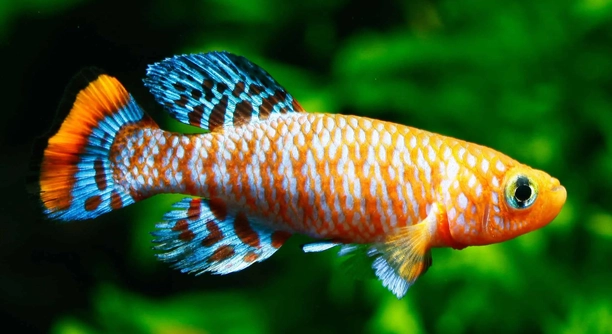
Killis are small, colorful fish often kept in home aquariums. Their feeding habits can vary, which makes choosing the right type of food important. Understanding whether they prefer floating or sinking food helps improve their care.
Killis generally prefer sinking food as they naturally feed near the bottom of their environment. This preference aligns with their instinctive hunting behavior, which involves searching for prey among plants and substrate rather than at the water surface.
Knowing these feeding preferences can help you provide a better diet for your killis. This knowledge supports their health and encourages natural behavior in captivity.
Understanding Killis’ Natural Habitat
Killifish, or killis, are native to slow-moving waters such as ponds, marshes, and small streams. These environments often have dense vegetation and leaf litter on the bottom, which influences their feeding behavior. In the wild, killis mostly hunt small insects, larvae, and other tiny creatures found near or on the substrate. Their natural tendency is to search for food close to the bottom rather than at the water’s surface. This habitat setup encourages sinking food because it mimics their natural feeding habits. Additionally, floating food can sometimes stress killis as they may feel vulnerable when approaching the surface. Therefore, understanding their natural surroundings helps explain their preference for sinking food and why providing similar feeding conditions in captivity benefits their overall well-being.
Killis also rely on sight to find food, so clear water with proper lighting is important. This allows them to spot sinking food easily.
Providing food that sinks slowly encourages killis to display their natural foraging behavior. This interaction makes feeding time more engaging and less stressful for the fish, promoting better health and activity levels.
Choosing the Right Food for Killis
Sinking pellets and frozen foods like bloodworms or brine shrimp are ideal choices for killis. These options settle at the bottom slowly, allowing killis to feed comfortably without rushing.
Selecting food based on sinking ability supports their natural feeding style. High-quality sinking pellets provide balanced nutrition, while frozen or live options add variety and stimulate hunting instincts. Avoid using only floating flakes, as these may be ignored or cause water quality issues if left uneaten. Mixing sinking foods with occasional surface treats can keep killis interested, but the main diet should focus on what they prefer. Regular feeding with sinking food also helps maintain cleaner tank conditions by reducing leftover particles on the surface. Keeping these feeding practices in mind ensures killis stay healthy and active in home aquariums.
Feeding Frequency for Killis
Feeding killis once or twice daily is usually enough to meet their nutritional needs. Overfeeding can cause health problems and water pollution.
A consistent feeding schedule helps maintain water quality and fish health. Killis have small stomachs and digest food quickly, so small, regular meals work best. Feeding too much at once can lead to uneaten food, which decomposes and harms water conditions. It’s better to offer smaller portions that killis can consume within a few minutes. This approach supports their metabolism and keeps them active throughout the day. Adjust feeding amounts based on their behavior and tank size to avoid overfeeding or underfeeding.
Keeping a routine also helps killis recognize feeding times, reducing stress and encouraging natural foraging. Watching their reaction during feeding can guide you to adjust portions as needed, promoting a healthy balance between diet and environment.
Common Mistakes in Feeding Killis
One common mistake is offering only floating food, which killis tend to ignore. This can lead to nutritional deficiencies and water pollution from uneaten flakes. Another issue is overfeeding, which stresses the fish and degrades water quality quickly. Feeding irregularly or skipping meals can disrupt their natural rhythms and affect their health. Using low-quality food without proper nutrients also impacts their growth and coloration. To avoid these problems, focus on providing sinking, nutrient-rich food in appropriate amounts and on a regular schedule. Maintaining clean water and observing killis’ feeding habits helps catch issues early and ensures their well-being.
Adjusting Food Based on Killis’ Behavior
Observing killis during feeding helps identify their preferences and needs. If they ignore floating food, it’s best to switch to sinking options.
Changes in activity or appetite may indicate the need to adjust feeding amounts or frequency. Regular monitoring keeps killis healthy and satisfied.
Importance of Variety in Killis Diet
Providing a mix of sinking pellets, frozen foods, and live foods ensures balanced nutrition and keeps killis interested in eating. Variety supports their natural hunting instincts and promotes vibrant coloration. Offering different textures and nutrients helps prevent dietary deficiencies and boredom, which can affect their health. Including occasional treats like daphnia or mosquito larvae mimics their natural food sources and encourages active foraging behavior, improving overall well-being.
Monitoring Water Quality
Uneaten food can quickly pollute the tank, so regular water testing and cleaning are essential.
FAQ
How often should I feed my killis?
Feeding killis once or twice a day is usually enough. They have small stomachs and can digest food quickly. Smaller, frequent meals help avoid overfeeding and keep the water clean. If you notice leftover food after feeding, reduce the amount you give.
Can killis eat only floating food?
Killis generally prefer sinking food because they naturally feed near the bottom. Floating food may be ignored or cause stress since they don’t feel comfortable feeding at the surface for long periods. Including sinking pellets or frozen foods like bloodworms is better for their health.
What types of sinking food are best for killis?
High-quality sinking pellets designed for small carnivorous fish work well. Frozen or live foods such as bloodworms, brine shrimp, and daphnia provide good nutrition and encourage natural hunting behavior. Mixing these options can keep their diet balanced and interesting.
Is live food necessary for killis?
Live food is not absolutely necessary but is highly beneficial. It stimulates natural hunting instincts and offers varied nutrition. If live food is hard to get, frozen alternatives are a good substitute. Avoid relying solely on pellets for the best health.
What happens if I overfeed my killis?
Overfeeding can lead to poor water quality, which stresses fish and causes illness. Uneaten food decomposes and increases harmful waste like ammonia. It also causes obesity and digestive issues in killis. Feeding only what they can eat in a few minutes prevents these problems.
Can killis eat plant-based foods?
Killis are mostly carnivorous and prefer protein-rich diets. Plant-based foods are generally not necessary and might be ignored. However, some killis may nibble on algae or biofilm in the tank, but this should not replace their main diet.
How can I tell if my killis are eating enough?
Healthy killis are active, colorful, and respond eagerly at feeding time. If they seem lethargic or lose color, they might be underfed or sick. Watch their feeding behavior and adjust amounts accordingly. If unsure, feeding smaller portions more often is safer.
Should I remove uneaten food after feeding?
Yes, removing uneaten food helps maintain water quality and reduces the risk of bacterial growth. Use a small net or siphon to clean leftover food after feeding. This keeps the tank environment healthy and reduces stress on your fish.
Do killis need different food as they grow?
Young killis need smaller, protein-rich foods that are easy to digest, such as finely crushed pellets or baby brine shrimp. Adult killis can handle larger pellets and whole frozen foods. Adjust food size and type to match their growth stage for best results.
Can killis survive without live food?
Yes, killis can survive on a diet of high-quality pellets and frozen foods. Live food is beneficial but not required. A well-balanced diet with varied nutrition helps keep them healthy and active even without live options.
How important is feeding variety for killis?
Variety is very important to prevent nutritional gaps and keep killis interested in their food. Mixing sinking pellets with frozen or live foods supports natural behaviors and promotes good health. A varied diet also enhances their colors and activity.
What signs show killis don’t like their food?
If killis ignore food or swim away during feeding, they may dislike the type or size of food. Floating food is often ignored. Try changing to sinking pellets or frozen options and observe their response. Also, poor water conditions can reduce appetite.
Can killis be fed at night?
Killis are generally more active during the day, so feeding at night is not necessary. Feeding during daylight hours fits their natural rhythms and ensures they have time to find and eat their food. Night feeding might encourage uneaten food buildup.
Are there any foods killis should avoid?
Avoid feeding killis large or hard foods that they can’t easily eat. Also, stay away from low-quality flake foods that lack proper nutrients. Avoid feeding human food or anything with additives or preservatives, as it can harm their health.
How do I introduce new food to killis?
Introduce new food gradually by mixing it with their current diet. This allows killis to get used to the texture and taste. Watch their reaction and increase the new food slowly if they accept it well. Sudden changes can cause stress or refusal.
Does water temperature affect killis feeding?
Yes, water temperature influences their metabolism. Killis eat less in cooler water and more in warmer conditions. Keep the tank within their preferred temperature range (usually 72-78°F) to maintain regular feeding habits and digestion.
Killifish, or killis, show a clear preference for sinking food because it matches their natural feeding habits. In the wild, they mostly search for small insects and larvae near the bottom of slow-moving waters. Providing sinking pellets or frozen foods in an aquarium helps mimic this environment and encourages their natural behavior. Floating food, while sometimes used, is generally less suitable and may cause stress or be ignored by killis. Keeping their feeding style in mind is key to supporting their health and happiness in captivity.
Feeding killis the right amount at regular times is just as important as choosing the right food. Overfeeding can harm water quality and the fish’s health, while underfeeding may cause lethargy or poor growth. Smaller, frequent meals usually work best because killis have small stomachs and fast metabolisms. Watching how your fish react during feeding helps adjust portions as needed. Offering a mix of sinking pellets, frozen foods, and occasional live food provides balanced nutrition and keeps feeding interesting for the fish.
Maintaining a clean tank and monitoring water quality is essential when caring for killis. Uneaten food can quickly pollute the water and cause stress or illness. Removing leftover food and performing regular water changes helps keep the environment healthy. Feeding sinking food that the fish actually eat reduces waste and makes tank maintenance easier. Overall, understanding killis’ feeding preferences and habits leads to better care and a more vibrant, active aquarium.

Hello,
If you enjoy the content that we create, please consider saying a "Thank You!" by leaving a tip.
Every little bit helps us continue crafting quality advice that supports the health, happiness, and well-being of pets around the world, for pets of all shapes, sizes, and species.
We really appreciate the kindness and support that you show us!