
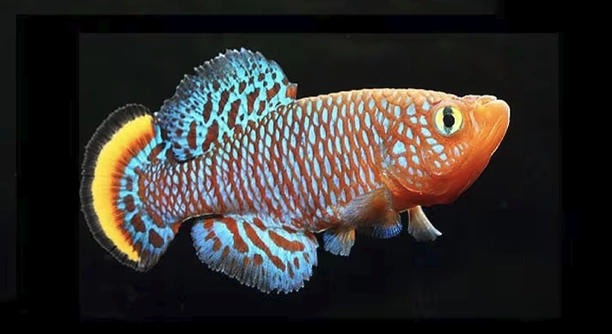
Killis are small, colorful fish that many aquarium enthusiasts enjoy keeping. They have unique behaviors and specific conditions that encourage them to spawn. Understanding these triggers can help hobbyists create the right environment for successful breeding.
Killis spawn in response to factors like water temperature, light cycles, water hardness, diet quality, availability of spawning sites, presence of mates, and minimal disturbance. These triggers collectively create favorable conditions for reproduction and increase spawning likelihood.
Learning about these triggers can improve your chances of seeing killis breed in your tank. Each factor plays an important role in their natural cycle and care.
Water Temperature
Water temperature is one of the most important triggers for killis to spawn. They generally prefer slightly warmer water, around 72 to 78 degrees Fahrenheit, to feel comfortable enough to breed. When the temperature rises gradually, it signals to the killis that conditions are right for spawning. Sudden temperature changes, however, can stress them and prevent breeding. Maintaining a stable, warm temperature mimics their natural environment during the breeding season. Keeping the water clean and well-oxygenated also helps, as killis are sensitive to poor water quality. Consistency is key, so avoid large fluctuations and use a reliable heater to maintain the ideal temperature range.
Temperature acts as a natural cue for killis reproduction. Warmer water encourages them to spawn, while cooler water can delay or stop the process entirely.
Adjusting your tank’s temperature carefully can greatly increase the chances of spawning. Make sure to monitor the temperature regularly and keep it steady for the best results.
Light Cycles
Killis are sensitive to changes in light, and adjusting the light cycle can help trigger spawning. They usually breed when daylight hours increase, simulating spring or early summer conditions. This means longer periods of light followed by darkness encourage spawning behaviors. A typical setup is around 12 to 14 hours of light daily, followed by 10 to 12 hours of darkness. Consistent light cycles help regulate their internal clocks and breeding readiness. Sudden or irregular changes in lighting may confuse the fish and reduce spawning chances. Using a timer can help keep the light schedule steady without extra effort. Proper lighting not only encourages breeding but also supports overall health and activity in killis.
Water Hardness
Water hardness affects killis’ comfort and breeding success. They tend to spawn more readily in softer water with low to moderate hardness levels. Hard water can discourage spawning and stress the fish over time.
Soft water mimics their natural habitat, often found in rainforests and streams where minerals are low. When the water has fewer dissolved minerals, killis feel safer and more likely to reproduce. Hard water can interfere with egg development and cause lower fertility rates. Adjusting water hardness involves mixing distilled or reverse osmosis water with tap water to reach the right balance. Testing kits help monitor mineral levels to ensure consistency.
Maintaining proper hardness supports healthy breeding conditions. If your water is too hard, adjusting it gradually can improve spawning rates. Keep a close eye on water parameters for steady results.
Diet Quality
A nutritious diet is essential for killis to spawn successfully. High-quality food rich in proteins and live or frozen options promotes breeding readiness. Poor nutrition can delay or stop spawning altogether.
Killis benefit from a varied diet including live foods such as brine shrimp, daphnia, and bloodworms, which boost their energy and reproductive health. Supplementing with high-quality flakes or pellets helps provide essential vitamins and minerals. Feeding smaller amounts multiple times a day encourages active and healthy fish. Avoid overfeeding to prevent water quality issues that could harm breeding efforts. Consistent, balanced nutrition helps killis build up the energy needed for egg production and mating behaviors.
Proper diet directly influences killis’ ability to spawn. Improving food quality often leads to more frequent and successful breeding attempts. Focus on fresh, protein-rich foods to support their natural needs.
Availability of Spawning Sites
Killis need proper places to lay their eggs, like dense plants or spawning mops. Without suitable sites, they may not spawn at all.
Providing plenty of fine-leaved plants or spawning brushes encourages killis to deposit eggs safely. These hiding spots protect the eggs from being eaten and help the fry survive.
Presence of Mates
Killis require both males and females to be present and healthy for spawning to occur. Balanced ratios encourage natural mating behaviors and reduce stress among fish.
A good ratio usually includes one male to two or three females. This setup prevents aggressive behavior and ensures females aren’t overwhelmed. Keeping the group stable and stress-free improves chances of spawning.
Minimal Disturbance
Killis spawn best in quiet environments with little disturbance. Frequent tapping or sudden movements can stress the fish and halt breeding activities.
FAQ
How long does it take for killis to spawn once conditions are right?
Killis usually start spawning within a few days to a week after ideal conditions are established. Factors like water temperature, diet, and the presence of mates play key roles in timing. Some species are quicker breeders, while others may take longer to feel comfortable. Consistency in the tank environment helps speed up the process. Patience is important, as rushing changes can stress the fish and delay spawning further.
Can killis spawn without live plants or spawning mops?
While live plants and spawning mops provide the best places for eggs, killis can sometimes spawn on other surfaces like spawning cones or even smooth tank walls. However, without adequate hiding places, the eggs are more vulnerable to being eaten by adults or other tank inhabitants. Using spawning mops or fine-leaved plants increases the chance that eggs will survive and hatch.
What is the ideal water temperature range for killis to spawn?
Most killis prefer temperatures between 72 and 78 degrees Fahrenheit for spawning. This range mimics their natural breeding season and encourages mating behaviors. Temperatures outside this range can slow down or stop spawning entirely. It’s best to raise the temperature gradually to avoid stressing the fish.
How often should I feed killis during breeding?
Feeding small amounts 2 to 3 times daily is ideal during breeding periods. Focus on high-protein live or frozen foods such as brine shrimp or bloodworms. Frequent feeding supports their energy needs for spawning and egg production. Avoid overfeeding to maintain water quality.
Can killis spawn in hard water?
Killis generally prefer soft to moderately hard water for breeding. Hard water can reduce spawning success and may affect egg development. If your tap water is hard, mixing in distilled or reverse osmosis water can help lower hardness to suitable levels. Regular testing ensures parameters stay in range.
Do killis need a specific light cycle to breed?
Killis spawn more easily when exposed to 12 to 14 hours of light per day, followed by 10 to 12 hours of darkness. This simulates their natural environment during the breeding season. Using a timer keeps the cycle consistent and supports their internal rhythms.
How can I reduce stress for killis during breeding?
Keep the tank environment quiet and stable. Avoid tapping on the glass or sudden movements near the tank. Maintain stable water parameters and provide plenty of hiding places. A peaceful environment encourages natural behaviors and improves spawning chances.
What should I do if my killis aren’t spawning?
Check water quality, temperature, hardness, and light cycle first. Make sure the diet is nutritious and varied. Confirm the presence of both males and females in proper ratios. Provide enough spawning sites and minimize disturbances. If conditions are correct but spawning still doesn’t happen, be patient and monitor for any signs of illness or stress.
Understanding what triggers killis to spawn can make a big difference if you want to breed them successfully. These fish rely on several key factors, including water temperature, light cycles, water hardness, diet, and the availability of good spawning sites. Paying close attention to these elements helps create an environment where killis feel safe and ready to reproduce. Keeping conditions stable and consistent is very important, as sudden changes can cause stress and prevent spawning.
Feeding killis a nutritious and varied diet supports their health and breeding readiness. Live or frozen foods like brine shrimp and bloodworms provide essential nutrients that encourage natural spawning behaviors. Along with good food, having the right balance of males and females and minimizing disturbances helps reduce stress and allows the fish to focus on breeding. Proper care and patience go hand in hand when trying to encourage killis to spawn in a home aquarium.
By combining all these triggers, you can improve the chances of seeing killis successfully breed. It takes time and attention to detail, but the rewards of watching these colorful fish reproduce are worth it. Creating the right environment and understanding their natural needs will help keep your killis healthy and happy, leading to a more satisfying experience in caring for them.

Hello,
If you enjoy the content that we create, please consider saying a "Thank You!" by leaving a tip.
Every little bit helps us continue crafting quality advice that supports the health, happiness, and well-being of pets around the world, for pets of all shapes, sizes, and species.
We really appreciate the kindness and support that you show us!