
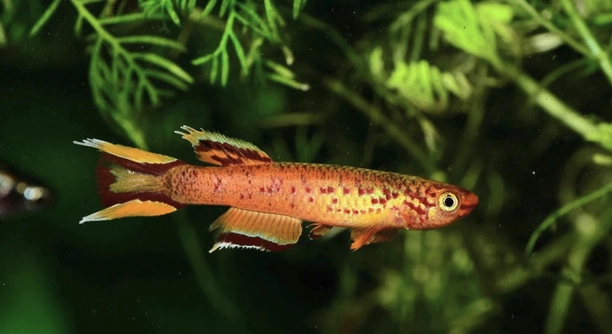
Are you considering adding killi fish to a brackish water aquarium? Killi fish are known for their vibrant colors and peaceful nature, making them popular choices for home aquariums. Understanding their water needs is essential for their health and wellbeing.
Killi fish are primarily freshwater species and generally do not thrive in brackish water. Exposure to higher salinity can cause stress and health issues, making brackish environments unsuitable for most killi fish species.
Knowing the right water conditions helps maintain your killi fish’s health and ensures a thriving aquarium environment.
Understanding Killi Fish Habitat Preferences
Killi fish are freshwater species found mostly in streams, ponds, and marshy areas with little to no salt content. Their natural habitat usually consists of soft, slightly acidic water. Because they are adapted to these conditions, their bodies are not built to handle saltwater or even brackish water, which is a mix of fresh and saltwater. When placed in brackish water, killi fish often experience stress as their osmoregulatory systems struggle to maintain balance. This stress can make them vulnerable to diseases and reduce their lifespan. While some fish species can tolerate varying salinity, most killi fish prefer stable freshwater conditions. It’s important to maintain a proper freshwater environment with clean, well-filtered water to support their health and encourage natural behaviors such as breeding and feeding. Keeping the water parameters consistent helps prevent sudden changes that can harm the fish.
Killi fish typically thrive in freshwater environments with a pH of 6.0 to 7.5 and soft to moderately hard water.
Maintaining a stable freshwater environment is crucial for the overall health of killi fish. Even minor increases in salt concentration can disrupt their bodily functions, leading to stress-related behaviors like lethargy or loss of appetite. If you want your killi fish to thrive, focusing on replicating their natural freshwater habitat is the best approach.
Effects of Brackish Water on Killi Fish
Brackish water contains a higher salt concentration than freshwater but less than seawater. This increase in salinity affects how fish regulate water and salt in their bodies. Killi fish are not adapted to these conditions, which can lead to dehydration, electrolyte imbalance, and increased stress levels. The change forces their internal systems to work harder to maintain homeostasis, often resulting in fatigue and weakened immune responses. Even low levels of salinity can be harmful over time, especially if the transition is sudden. It’s best to avoid placing killi fish in brackish water or mixing them with species that require such conditions. Instead, focus on freshwater setups that match their natural preferences to ensure longevity and a healthy aquarium environment.
If you accidentally add salt to your killi fish tank, immediate steps are necessary to return conditions to freshwater.
When brackish water conditions occur unintentionally, it is important to act quickly. Perform partial water changes using freshwater to gradually reduce salinity, avoiding sudden changes that might shock the fish. Test water parameters regularly to ensure stability. Observing your killi fish for any signs of stress or illness will help catch problems early. By keeping the tank strictly freshwater, you create an environment where killi fish can live comfortably and display their best colors and behavior.
Common Mistakes When Keeping Killi Fish
One common mistake is placing killi fish in brackish water tanks without realizing their freshwater needs. Another is sudden changes in water conditions, which stress these sensitive fish. Overfeeding and poor tank maintenance also contribute to health problems in killi fish.
Killi fish require a stable, clean freshwater environment with consistent temperature and pH levels. Sudden fluctuations in water chemistry, including salinity changes, can weaken their immune system and cause illness. Overfeeding leads to poor water quality, which encourages harmful bacteria growth. It’s important to clean the tank regularly and monitor water parameters closely. Using a gentle filtration system helps maintain water clarity without stressing the fish. These steps reduce stress and keep killi fish healthy.
Adding plants and hiding spots helps replicate their natural habitat, providing comfort and security. This reduces stress and promotes natural behaviors, making your killi fish more active and vibrant in the aquarium.
Selecting Suitable Tank Mates for Killi Fish
Choosing tank mates for killi fish means picking peaceful species that share similar water preferences. Avoid aggressive or salt-tolerant fish that require brackish water. Compatibility is essential to prevent stress and injury.
Good tank mates include small freshwater species like guppies, neon tetras, and rasboras, which coexist well in similar water conditions. Avoid larger or territorial fish that could harm the killi fish. Keeping compatible species together encourages a calm environment and balanced aquarium ecosystem. Make sure the tank is spacious enough to provide hiding places and reduce territorial behavior. This setup supports the health and happiness of all fish, especially sensitive species like killi fish. Regular observation helps identify any signs of conflict early, allowing prompt intervention.
Signs Killi Fish Are Stressed by Water Conditions
Stress in killi fish often shows through unusual behavior like hiding more than usual or refusing food. They may also appear lethargic or swim erratically.
Physical signs include faded colors, clamped fins, or rapid gill movement. These indicate that water conditions are likely unsuitable and need attention.
How to Safely Transition Killi Fish to New Water
When moving killi fish to a new tank or after water changes, introduce them slowly. Gradually mix the new water with their current tank water over several hours. This helps prevent shock caused by sudden changes in water parameters.
Monitoring the fish closely during this time ensures they adjust well. Providing a calm, stable environment minimizes stress and supports their health through transitions.
Feeding Killi Fish in Freshwater Tanks
Killi fish thrive on a diet of live or frozen foods like brine shrimp and daphnia. These mimic their natural diet and help maintain good health.
Avoid overfeeding, as leftover food can foul the water. Feed small amounts once or twice daily for best results.
Adjusting Water Parameters for Killi Fish
Maintain a stable temperature between 72°F and 78°F. Keep the pH slightly acidic to neutral, around 6.0 to 7.5, to match their natural habitat.
FAQ
Can killi fish live in brackish water?
Killi fish are mainly freshwater fish and do not adapt well to brackish water. Their bodies are not built to handle the salt content found in brackish water, which can cause stress and health problems. Keeping them in freshwater is best to ensure their wellbeing.
What happens if killi fish are kept in brackish water?
If killi fish are kept in brackish water, they may become stressed and weak. Salt can interfere with their ability to regulate water and electrolytes in their bodies. Over time, this can lead to illness or even death if not corrected quickly.
Are there any killi fish species that tolerate brackish water?
Most killi fish species prefer freshwater, but a few types can tolerate slightly brackish conditions. However, these are exceptions rather than the rule. It’s important to research the specific species before attempting to keep them in anything other than freshwater.
How can I tell if my killi fish is stressed?
Stress signs include faded colors, clamped fins, hiding more than usual, and a lack of appetite. Erratic swimming or gasping at the water surface can also indicate poor water conditions or stress.
What water parameters are ideal for killi fish?
Killi fish thrive in water with a temperature between 72°F and 78°F, a pH of 6.0 to 7.5, and soft to moderately hard water. Keeping these parameters stable is essential for their health.
How do I transition killi fish to new water?
Introduce new water slowly by mixing it with the old tank water over several hours. This gradual change helps prevent shock and allows the fish to adjust to new water conditions without stress.
Can killi fish live with other fish in a community tank?
Killi fish can live with peaceful freshwater species that share similar water requirements. Avoid aggressive or larger fish and those that need brackish water. Suitable tank mates include small tetras, guppies, and rasboras.
What should I feed killi fish?
Feed killi fish live or frozen foods like brine shrimp, daphnia, and bloodworms. These foods mimic their natural diet and keep them healthy. Avoid overfeeding to maintain good water quality.
How often should I change the water in a killi fish tank?
Perform partial water changes of about 20-30% weekly. Regular changes keep the water clean and stable, reducing stress and preventing disease.
Is it okay to add aquarium salt to a killi fish tank?
Adding salt to a killi fish tank is generally not recommended. Killi fish prefer freshwater, and salt can cause stress or health issues. If salt is accidentally added, do a partial water change with freshwater immediately.
What are common health problems for killi fish?
Stress from poor water conditions often leads to diseases like fin rot or fungal infections. Keeping water parameters stable and clean prevents most health issues.
How can I create a natural environment for killi fish?
Use live plants, smooth rocks, and hiding spots in the tank. This setup replicates their natural habitat and reduces stress, encouraging natural behavior and better health.
Final Thoughts
Killi fish are beautiful and interesting creatures that do best in freshwater environments. Their natural habitats rarely have salt content, which means they are not built to handle brackish water. Keeping them in water with stable and appropriate conditions is essential to their health and longevity. When salt is introduced, even in small amounts, it can cause significant stress to these fish, weakening their immune systems and making them more prone to disease. It is always better to stick to freshwater for killi fish to ensure they remain active and vibrant.
Providing a suitable freshwater tank requires attention to water quality, temperature, and pH balance. Killi fish thrive in slightly acidic to neutral water with a temperature range of 72°F to 78°F. Regular water changes and gentle filtration help maintain a clean environment, reducing harmful bacteria buildup. It is also important to avoid sudden changes in water conditions, including salinity, because these changes can shock the fish. Consistency is key when caring for killi fish. Taking these simple but important steps can help prevent stress and keep your fish healthy.
Tank mates should be chosen carefully to create a peaceful and compatible community. Avoid aggressive fish or species that need brackish water, as these conditions will not suit killi fish. Instead, select small, peaceful freshwater fish with similar water preferences. Adding plants and hiding spots replicates their natural habitat and helps them feel secure. Feeding live or frozen foods like brine shrimp keeps their diet close to what they would eat in the wild. Following these guidelines creates a balanced environment that supports the wellbeing of killi fish and their tank companions.

Hello,
If you enjoy the content that we create, please consider saying a "Thank You!" by leaving a tip.
Every little bit helps us continue crafting quality advice that supports the health, happiness, and well-being of pets around the world, for pets of all shapes, sizes, and species.
We really appreciate the kindness and support that you show us!