
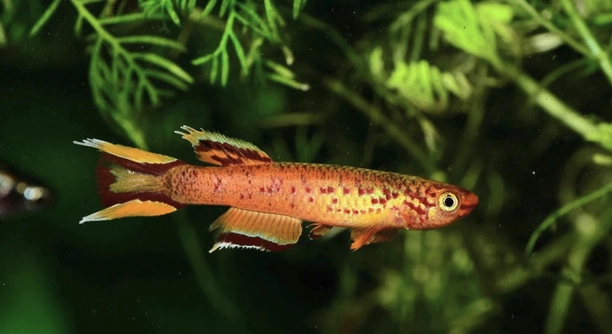
Moving can be stressful for your killis, and sometimes they stop eating after a change in their environment. It’s common for fish to need time to adjust to new surroundings before returning to their normal habits. Understanding this process helps you support your fish during the transition.
If your killis won’t eat after moving, ensure their water conditions are stable and similar to their previous tank. Stress and unfamiliar surroundings can cause appetite loss, so maintaining temperature, pH, and hiding spots encourages them to feel secure and start eating again.
Knowing how to help your killis adjust will make the move easier for both of you and improve their chances of returning to a healthy routine soon.
Understanding Stress in Killis After Moving
Killis are sensitive to changes in their environment, and moving can create stress that affects their behavior, especially eating. When they are introduced to a new tank, the different water chemistry, temperature, and unfamiliar surroundings can make them feel unsafe. This stress often leads to a loss of appetite as the fish focus on adjusting and protecting themselves. It’s important to monitor your killis closely during this time and give them space to settle. Avoid sudden changes like aggressive tank mates or bright lights, as these can increase anxiety. Providing plenty of hiding spots with plants or decorations helps your killis feel more secure. It may take a few days or even a week for them to regain their appetite, but patience and steady care are key. Keep the water clean and stable to support their health during this sensitive period.
Stress can cause killis to hide and refuse food temporarily. Ensuring a calm environment speeds recovery.
Creating a peaceful tank setup helps killis recover from stress faster. When you add plenty of plants and quiet spaces, they feel safer. Gradually reintroducing feeding routines with small portions encourages them to start eating again. Avoid sudden changes in light or water parameters, as these can delay their adjustment. Regular water testing and partial water changes keep conditions optimal. Over time, your killis will become more comfortable, and their appetite should return. Observing their behavior daily allows you to notice any problems early and make changes that support their well-being.
Adjusting Water Conditions to Encourage Eating
Stable water conditions are crucial for killis to feel comfortable enough to eat after moving. Slight differences in pH, temperature, or hardness between the old and new tanks can cause stress, reducing their appetite. Matching the new tank’s water parameters to their previous home as closely as possible can minimize shock. Regular testing is essential to detect any unwanted changes. When conditions are consistent, killis are more likely to resume normal behavior. Using a gentle filter to avoid strong currents also helps because killis prefer calmer water. If the water quality is poor, it can worsen stress and delay feeding. Keeping the tank clean and free of toxins supports recovery. Feeding small amounts of easily digestible food encourages them to eat without overwhelming their system. With time and care, your killis will adapt and return to their usual eating habits.
Feeding Techniques to Encourage Killis to Eat
Offering smaller, more frequent meals can help killis start eating again after a move. Overfeeding or large portions may overwhelm them. Stick to easily digestible foods like live or frozen brine shrimp to spark their appetite. Consistency is important to rebuild trust in their feeding routine.
Starting with small amounts allows killis to adjust gradually. Live foods often trigger natural hunting behavior, making feeding more attractive. Avoid sudden changes in diet, which can add stress. Monitor how much they eat and remove leftovers promptly to keep water quality high. Feeding at the same time daily creates a routine that helps killis feel more secure and ready to eat.
Sometimes, slow introduction of new food types is necessary. Mixing familiar foods with new ones over several days helps killis accept changes without stress. Patience during this phase encourages steady eating habits and improves overall health.
Recognizing Signs of Illness or Other Issues
If killis refuse food for more than a week, illness or water problems could be the cause. Look for changes in behavior, color, or physical condition. Early detection is key to preventing serious health issues.
Common signs include lethargy, clamped fins, unusual swimming, or visible spots. If these appear, test water parameters immediately to rule out poor quality. Quarantining sick fish and consulting an expert can help manage disease risks. Sometimes, stress from moving weakens the immune system, making killis more vulnerable to infections. Keeping tanks clean and stable reduces this risk. Treatment varies depending on symptoms, so identifying the exact problem early improves the chance of recovery and encourages a return to eating.
Creating a Calm Environment for Killis
A calm environment helps killis feel safe and less stressed after moving. Avoid sudden noises and bright lights near the tank. Dim lighting and gentle water flow can soothe them.
Providing plenty of hiding spots with plants or decorations lets killis retreat when they feel overwhelmed. This reduces stress and encourages normal behavior.
Importance of Tank Maintenance
Regular tank maintenance keeps water clean and stable, which is essential for killis’ health and appetite. Remove uneaten food and waste promptly to prevent toxins. Frequent partial water changes help maintain optimal water quality and prevent harmful spikes in ammonia or nitrites. Proper filtration supports a healthy environment where killis can recover quickly from stress and begin eating normally again.
When to Seek Professional Help
If your killis continue to refuse food despite your care, it may be time to consult a vet or fish specialist. They can identify hidden health issues or offer treatments you may not be aware of. Early intervention can make a big difference in recovery.
FAQ
Why won’t my killis eat right after moving?
Killis often stop eating after a move because they feel stressed and unsafe in their new environment. Changes in water conditions, temperature, and unfamiliar surroundings make them cautious. Their natural response is to hide and conserve energy until they feel more secure.
How long does it usually take for killis to start eating again after moving?
Most killis begin eating again within a few days to a week if their environment is stable and stress is minimized. Some may take longer depending on how different the new tank conditions are and how well they adjust to the new space.
What kind of food should I offer to encourage my killis to eat?
Offering live or frozen foods such as brine shrimp, daphnia, or mosquito larvae can stimulate their natural hunting instincts. Small portions given frequently are better than large meals. Avoid sudden diet changes and introduce any new foods gradually.
Can poor water quality cause killis to stop eating?
Yes, poor water quality is a major factor that affects killis’ appetite. High levels of ammonia, nitrites, or incorrect pH can cause discomfort or illness. Maintaining clean water through regular partial changes and proper filtration is essential to encourage eating.
How can I reduce stress for my killis after moving?
Keep the tank environment calm by dimming the lights and avoiding loud noises or sudden movements nearby. Provide plenty of hiding places with plants and decorations. Avoid overcrowding and ensure water conditions match their previous tank as closely as possible.
What signs should I watch for that indicate illness?
Look for lethargy, loss of color, clamped fins, erratic swimming, or white spots on the body. These signs, combined with refusal to eat, often mean the fish needs medical attention. Testing water quality regularly helps identify if environmental factors are causing issues.
Is it normal for killis to hide a lot after moving?
Yes, hiding is a common behavior when killis feel insecure. It is their way to protect themselves from perceived threats. Providing safe spaces helps reduce this behavior over time and encourages them to resume normal activity and feeding.
Should I change the water parameters immediately after moving the fish?
It’s better to match the new tank’s water parameters to their previous environment before moving killis. Sudden changes in temperature, pH, or hardness can add stress. Gradual adjustments are safer and help fish settle in more comfortably.
Can overfeeding make killis stop eating?
Overfeeding can cause poor water quality and leftover food, which may stress killis and lead to refusal to eat. Feeding small amounts appropriate for their size and removing uneaten food helps maintain water quality and encourages regular eating habits.
When is it necessary to seek veterinary help for my killis?
If killis refuse to eat for more than two weeks or show signs of illness such as abnormal swimming or visible wounds, professional advice is needed. A vet can diagnose hidden infections or health problems and recommend proper treatment to improve their condition.
Moving can be a difficult experience for killis, and it is normal for them to stop eating for a little while after a change in their environment. Stress caused by new surroundings, different water conditions, and unfamiliar sights or sounds can make them cautious. Giving your killis time to settle and feel safe is very important. Keeping the tank calm, stable, and clean helps reduce stress and encourages your fish to return to their normal eating habits. It is natural for them to hide more during this period, but with steady care, they will begin to feel more comfortable.
Maintaining the right water conditions plays a big role in helping killis recover after a move. Matching the temperature, pH, and hardness of their previous tank makes the transition smoother. Regular partial water changes and good filtration keep the water quality high, which supports the fish’s health. Feeding small amounts of easy-to-digest food like live or frozen brine shrimp helps stimulate their appetite. Avoid overfeeding or sudden changes in diet, as this can cause additional stress or water problems. Patience is key, as killis usually start eating again once they feel secure and their environment feels familiar.
If your killis do not start eating after several days or show signs of illness like lethargy or unusual swimming, it is important to check water quality and consider seeking professional advice. Illness or poor water conditions may require treatment to help your fish recover. Watching their behavior daily helps catch problems early. Taking these steps ensures your killis have the best chance to adjust well to their new home and regain a healthy appetite. Caring for them with patience and attention will make the moving process easier for both you and your fish.

Hello,
If you enjoy the content that we create, please consider saying a "Thank You!" by leaving a tip.
Every little bit helps us continue crafting quality advice that supports the health, happiness, and well-being of pets around the world, for pets of all shapes, sizes, and species.
We really appreciate the kindness and support that you show us!