
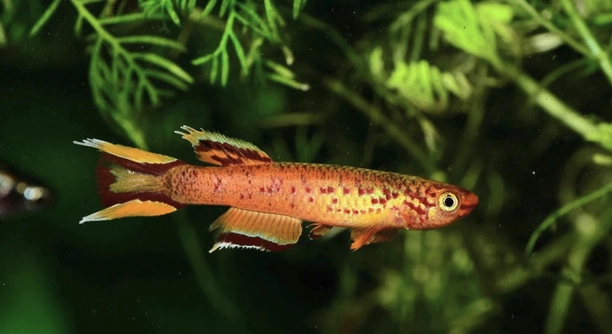
Breeding-only tanks require special care to create the right environment for fish reproduction and fry development. Setting up such a tank involves specific equipment and conditions that differ from regular aquariums. Proper preparation helps ensure successful breeding outcomes.
Seven essential elements must be considered for breeding-only tanks: appropriate tank size, effective filtration, stable water parameters, suitable substrate, proper lighting, adequate hiding places, and regular maintenance. Each factor contributes to the health and survival of both adult fish and their offspring.
Understanding these essentials will support healthier breeding environments and improve fry survival rates. The following guide explains each element’s importance clearly and simply.
Choosing the Right Tank Size
Selecting the proper tank size is crucial for breeding success. A tank that is too small can cause stress among fish and limit their natural behaviors, while a tank that is too large can make it difficult to maintain stable water conditions. Most breeding tanks range from 10 to 30 gallons, depending on the species. It’s important to provide enough space for adult fish to swim comfortably and for the fry to grow safely. When space is adequate, fish are less aggressive, and the chance of fry survival increases. Consider the adult fish’s size and breeding habits when deciding on the tank volume.
A medium-sized tank, around 20 gallons, often balances space and manageability. This size supports water stability and gives enough room for filtration and decoration.
Proper tank size affects water quality, fish behavior, and the ability to maintain a controlled environment. Choosing the right size will create a healthier breeding setting and improve the overall success rate.
Effective Filtration Systems
Filtration is essential for maintaining water quality in a breeding tank. A good filter removes waste and toxins while preserving gentle water flow. Strong currents can harm delicate fry or disturb breeding pairs. Sponge filters are popular because they provide biological filtration and protect fry from being sucked in. Regular cleaning of the filter is necessary to avoid buildup but should be done carefully to keep beneficial bacteria intact. An efficient filtration system supports oxygen levels and keeps the environment stable, reducing stress on fish and increasing breeding success. Balancing filtration power with gentle water movement helps create a safe habitat for all tank inhabitants.
Stable Water Parameters
Maintaining stable water parameters is vital for successful breeding. Sudden changes can stress fish and reduce spawning chances. Monitor temperature, pH, and hardness regularly to keep them within species-specific ranges.
Different fish species require specific conditions. For example, some need slightly acidic water, while others prefer neutral or alkaline. Temperature plays a key role in triggering breeding behavior and fry development. Regular testing helps detect fluctuations early. Using a heater with a thermostat ensures temperature stays consistent. Gradual changes in water chemistry prevent shock and encourage healthy breeding. Stability in these factors promotes fish health and improves fry survival rates.
Adjustments should be made slowly when necessary. Frequent water changes with conditioned water help maintain balance without sudden shifts. Tracking these parameters consistently creates an environment where fish feel secure enough to breed naturally.
Suitable Substrate
The choice of substrate affects breeding success, especially for bottom-dwelling species. Some fish lay eggs on or in the substrate, so texture and cleanliness matter.
Fine sand or smooth gravel works well for many breeding tanks. Coarse or sharp substrates can damage eggs or fry. A clean substrate reduces harmful bacteria and prevents disease outbreaks. It also makes spotting and removing uneaten food easier. Certain species benefit from specialized substrates like peat moss or planted soil to mimic natural conditions. The substrate should be easy to clean yet supportive of fish spawning habits.
Choosing the right substrate balances hygiene and natural breeding needs. This helps create a safe, comfortable space for eggs and fry to develop. Regular maintenance keeps the substrate in good condition for ongoing breeding success.
Proper Lighting
Lighting should mimic natural day and night cycles. Avoid overly bright lights that can stress fish or fry.
Using a timer helps maintain a consistent schedule. Soft, indirect lighting encourages natural behavior and supports plant growth if used.
Adequate Hiding Places
Providing hiding spots reduces stress and aggression among fish during breeding. Plants, caves, and decorations offer shelter for fry and adults alike.
These spaces help protect eggs and young fish from being eaten. They also create a sense of security, encouraging natural breeding behavior and improving survival rates.
Regular Maintenance
Consistent cleaning and water changes keep the tank healthy. Removing debris and waste prevents toxins from building up and harming fish.
FAQ
What is the best tank size for breeding different fish species?
Tank size depends on the species you want to breed. Small species like guppies or tetras do well in 10 to 20-gallon tanks. Larger or more territorial fish require at least 30 gallons. The tank must provide enough space for adults to swim and for fry to grow safely without overcrowding. Overcrowded tanks increase stress and decrease survival rates. It is always better to choose a slightly larger tank than too small.
How often should I clean a breeding tank?
Cleaning frequency depends on the tank’s bioload. Generally, a partial water change of 20-30% every week keeps water quality stable. Regular removal of uneaten food and debris helps avoid toxin buildup. However, avoid deep cleaning that disrupts beneficial bacteria, especially in sponge filters or biological media. Gentle maintenance ensures a balanced environment and reduces stress for breeding fish.
Can I use the same tank for breeding different species?
It is not recommended to breed multiple species together unless their water needs and behavior perfectly match. Different species often require specific water parameters, substrates, and hiding places. Mixing species can cause aggression and stress, harming breeding success. Using separate tanks tailored to each species’ requirements provides better results and healthier fry.
What temperature is ideal for breeding tropical fish?
Most tropical fish breed best between 75°F and 80°F (24°C to 27°C). Some species have precise temperature preferences, so researching your fish is important. A stable temperature within this range encourages spawning and healthy fry development. Using an aquarium heater with a reliable thermostat helps maintain this consistency.
How important is water pH in a breeding tank?
Water pH influences fish health and spawning behavior. Many fish prefer slightly acidic to neutral pH (6.5-7.0), but some species thrive in alkaline water. Sudden pH changes can cause stress and reduce breeding chances. Testing pH regularly and adjusting it slowly helps maintain stability. Using natural materials like driftwood or crushed coral can help manage pH naturally.
Should I feed breeding fish differently?
Yes. Breeding fish need higher quality and more frequent feedings to support energy demands. Live or frozen foods such as brine shrimp, daphnia, or bloodworms improve conditioning and increase spawning readiness. Avoid overfeeding to prevent water pollution. Feeding smaller amounts multiple times a day ensures good nutrition without harming water quality.
How do I protect fry from adult fish?
Adult fish may eat their own fry or other species’ young. Use breeding nets, separate breeding tanks, or provide dense hiding spots to protect fry. Some breeders move eggs or fry to a separate nursery tank. Creating safe spaces increases fry survival and allows them to grow without threat.
What type of substrate is best for egg-laying fish?
Fine sand or smooth gravel works well for many egg-laying fish because it protects eggs from damage. Some species need specific substrates like peat or plant roots to attach eggs. Always research your species’ natural breeding habits and replicate those conditions in the tank to improve success.
Can lighting affect breeding behavior?
Yes. Fish respond to light cycles that mimic natural environments. A consistent day/night schedule encourages natural spawning rhythms. Too much or too little light can stress fish and disrupt breeding. Using a timer and gentle lighting helps maintain balance and supports healthy behavior.
How do I maintain stable water parameters in a breeding tank?
Regular testing is essential. Use reliable kits to monitor temperature, pH, ammonia, nitrites, and nitrates. Make gradual adjustments if needed. Partial water changes with conditioned water keep parameters stable. Avoid overcrowding and overfeeding, which cause water quality issues. Keeping conditions consistent reduces stress and encourages breeding.
What should I do if eggs get fungus?
Fungal infections can kill eggs quickly. Remove infected eggs carefully using a small tool. Adding antifungal treatments safe for fish and fry may help prevent spread. Improving water quality and avoiding overcrowding also reduces fungus risk. Removing decaying eggs promptly protects healthy ones.
Is it necessary to have live plants in a breeding tank?
Live plants provide hiding spots and help maintain water quality by absorbing nitrates. They also mimic natural environments, encouraging breeding. However, they require maintenance and the right lighting. If live plants are not an option, use artificial plants or decorations that offer similar shelter and comfort.
How long does it take for fry to become free-swimming?
This depends on species, but most fry become free-swimming within a few days to two weeks after hatching. During this time, they absorb their yolk sacs for nutrition. Providing small, frequent feedings of suitable foods supports healthy growth once they begin swimming.
Can I use chemicals or medications in a breeding tank?
It is best to avoid chemicals unless absolutely necessary. Many medications can harm fry or disrupt beneficial bacteria. If treatment is needed, use products labeled safe for breeding tanks and fry. Always follow dosage instructions carefully and isolate affected fish if possible.
How do I introduce breeding pairs?
Introduce healthy, well-conditioned fish into the breeding tank carefully. Allow them to acclimate to water conditions gradually. Observe their behavior and separate if aggression occurs. Proper pairing increases chances of successful spawning.
What role does hiding places play during breeding?
Hiding spots reduce stress and aggression. They provide shelter for eggs and fry from adults. Dense plants, caves, or breeding cones create a safer environment. Without adequate hiding places, fish may avoid spawning or eat their young. These spaces encourage natural breeding behavior.
Can I use tap water for breeding tanks?
Tap water can be used if properly treated to remove chlorine and chloramines. Conditioning water before adding it to the tank protects fish health. Using filtered or aged water improves stability and reduces contaminants, supporting better breeding conditions.
How often should I feed fry?
Fry need small, frequent feedings—usually 3 to 5 times daily. Use finely crushed flakes, infusoria, or specialized fry food. Feeding often ensures they get enough nutrients to grow quickly. Uneaten food should be removed to maintain water quality.
What are common mistakes to avoid in breeding tanks?
Common errors include overcrowding, inconsistent water parameters, poor filtration, and lack of hiding places. Overfeeding and neglecting maintenance harm water quality. Rushing breeding attempts without conditioning fish can reduce success. Avoiding these mistakes improves health and breeding outcomes.
Setting up a breeding-only tank requires careful attention to several important factors. Each element—from tank size to water parameters—plays a key role in creating an environment where fish can successfully reproduce and their fry can grow safely. Taking the time to prepare the tank properly helps reduce stress for the fish and increases the chances of healthy offspring. It is not just about having a tank but about maintaining a balanced and stable habitat that supports all stages of breeding.
Consistency is essential when managing a breeding tank. Stable water temperature, pH, and good filtration help keep the environment healthy. Sudden changes in these conditions can cause stress and disrupt breeding activity. Providing hiding places and the right substrate encourages natural behavior and protects eggs and fry from harm. Feeding breeding fish nutritious food and caring for their specific needs also plays an important part in supporting their health. Regular maintenance, including gentle cleaning and water changes, keeps the tank in good condition and supports long-term success.
Breeding fish can be rewarding but requires patience and attention to detail. Understanding the specific needs of the species you are working with is critical. Each fish may have unique requirements for water conditions, lighting, and tank setup. Learning and adapting as you go will improve your results over time. With proper care and the right essentials, breeding tanks can provide a safe and supportive environment for fish to reproduce and for fry to thrive. This thoughtful approach helps ensure a healthy and thriving aquarium community.

Hello,
If you enjoy the content that we create, please consider saying a "Thank You!" by leaving a tip.
Every little bit helps us continue crafting quality advice that supports the health, happiness, and well-being of pets around the world, for pets of all shapes, sizes, and species.
We really appreciate the kindness and support that you show us!