
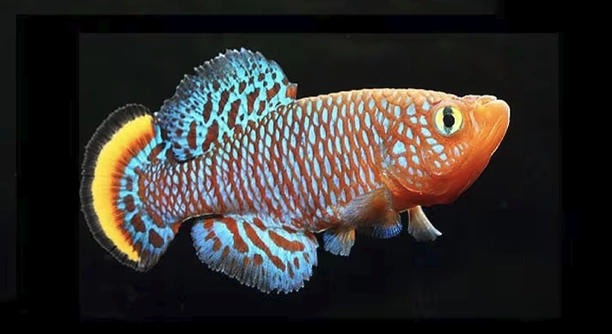
Do you ever find yourself needing a quick, simple setup for your fish while cleaning their main tank or during a move?
Killi fish can live in bowls temporarily, but only under specific conditions. Proper water quality, temperature control, and space must be maintained. Prolonged time in a bowl can lead to stress, illness, and shortened lifespan.
Learning how to care for them properly during short-term stays can make a big difference in their comfort and health.
Why Bowls Are Not Ideal for Killi Fish
Bowls are often used as temporary homes for fish, but they are not well-suited for Killi fish. These fish need clean, warm water with stable parameters to stay healthy. Bowls usually lack filters and heaters, making it hard to meet their needs. The small volume of water can also fluctuate in temperature quickly and become polluted faster. This stresses the fish and can lead to illness. If you must use a bowl, make sure to change the water frequently, use a heater if possible, and avoid overfeeding. Even then, it should only be for a short time.
Killi fish are sensitive and do best in small tanks with stable conditions, not bowls.
A small tank with a sponge filter, heater, and lid is better for short-term setups. Killi fish may jump, so a cover is essential. These simple upgrades help them stay healthy until they can return to their main tank.
How Long Is Too Long in a Bowl
Killi fish should only be kept in a bowl for a day or two, not more than three.
Anything longer increases the risk of water quality issues and stress. Bowls limit oxygen exchange and don’t support biological filtration, which means harmful waste builds up quickly. This can lead to ammonia poisoning or bacterial infections. Temperature swings in small containers can also weaken their immune systems. If you’re waiting for a permanent tank to cycle or repair, consider using a small plastic bin or storage container with a lid and basic equipment instead. These setups provide more space and better conditions. If a bowl is your only option, keep it in a warm, quiet area away from direct sunlight. Perform partial water changes daily and monitor for signs of stress, like fading color or lethargy. The goal is always to return your Killi fish to a stable, filtered tank as soon as possible.
Signs Your Killi Fish Is Stressed in a Bowl
If your Killi fish looks pale, moves less, or hides often, it may be feeling stressed. Gasping near the surface, darting suddenly, or rubbing against objects are also signs that something is off in its environment.
Stress can set in quickly when a fish is placed in a bowl without proper conditions. Killi fish are used to stable water parameters, and even minor fluctuations can affect their health. Look for clamped fins, loss of appetite, or erratic swimming patterns. These are signs that the water may be too cold, dirty, or lacking oxygen. Uneaten food can also rot quickly in a bowl, making the situation worse. If your fish is not as active as usual or seems to be avoiding light, it’s time to act. Regular partial water changes, minimal handling, and monitoring temperature can help keep them stable during temporary stays.
The bowl environment is challenging, so it’s important to notice changes early. A stressed Killi fish is more likely to develop infections or become aggressive. Watch closely for visible marks, cloudy eyes, or bloating. These issues often stem from poor water quality and can worsen fast. Move your fish to a proper tank as soon as conditions allow to prevent further harm.
How to Set Up a Safer Temporary Bowl
Use a bowl only when necessary, and keep the setup simple but safe. Add a small heater if needed, and avoid placing the bowl near windows or heat sources. Use dechlorinated water and avoid overfeeding to limit waste.
To make a bowl more suitable for short-term use, add a few live plants or floating leaves for cover. These help reduce stress and support water quality. Avoid gravel or decorations that trap waste. If possible, use a small air stone or sponge filter to increase oxygen. Do not overcrowd—one Killi fish per bowl is best. Keep the room temperature steady and dim the lighting. Limit noise and movement around the bowl to help your fish feel secure. Perform small water changes every 24 hours and monitor the water temperature with a simple strip thermometer. These steps won’t make the bowl ideal, but they will reduce risks while your fish waits for a better setup.
What to Avoid When Using a Bowl
Avoid placing the bowl in direct sunlight or near drafts, as temperature changes happen quickly in small containers. Don’t use untreated tap water, and skip sharp decorations that could injure your Killi fish.
Avoid feeding too much, since excess food quickly pollutes the water. Don’t keep multiple fish together in the same bowl, as space is too limited.
Better Alternatives to Bowls for Killi Fish
If a tank isn’t available, a small plastic container with a lid can be a safer temporary option. Choose one that holds at least two to three gallons. Add a sponge filter or air stone to improve oxygen flow, and monitor the temperature with a heater if needed. These containers are easier to manage than bowls and provide more surface area for gas exchange. You can also add floating plants for shelter and comfort. Always use dechlorinated water and perform daily water changes. This setup isn’t permanent, but it gives your fish more stability until its main tank is ready.
Final Note on Temporary Housing
Short-term care in a bowl should always be limited. The faster your Killi fish returns to a proper tank, the better for its health.
FAQ
Can Killi fish survive without a filter in a bowl?
Killi fish can survive for a short time without a filter, but it’s not ideal. Bowls without filtration build up harmful waste quickly. This can lead to ammonia spikes and poor water quality. If you must use a bowl, daily partial water changes are essential. A small sponge filter or air stone helps improve conditions. Without it, oxygen levels may drop and water may turn toxic. Limit how long your Killi stays in a bowl without a filter to a couple of days at most, and keep a close eye on their behavior and health.
Do Killi fish need a heater in a temporary bowl?
Yes, Killi fish prefer warm water, and most species need stable temperatures between 72–78°F. Bowls lose heat quickly and are more exposed to room temperature changes, especially during cooler months. Even temporary setups should include a small, adjustable heater if the surrounding temperature isn’t consistent. If a heater isn’t available, place the bowl in a warm, draft-free room and monitor it closely with a thermometer. Rapid temperature changes can stress the fish, weaken its immune system, and lead to illness. Stable warmth keeps your fish more comfortable during temporary stays.
How often should I change the water in the bowl?
Water in a bowl should be changed daily when housing a Killi fish. Without a filter, waste builds up quickly and lowers water quality. A partial water change of about 30–50% each day helps keep ammonia and nitrite levels under control. Always use dechlorinated, temperature-matched water. Avoid overfeeding, as uneaten food increases how quickly the water goes bad. Daily cleaning and fresh water help reduce stress and lower the chance of disease. If you notice the water becoming cloudy or smelly, increase the frequency or consider moving your fish to a more suitable setup.
Is it okay to keep more than one Killi fish in a bowl?
No, it’s best to keep only one Killi fish in a bowl. Bowls are too small to support multiple fish. Space is limited, oxygen is low, and waste builds up fast. Killi fish can be territorial, especially in cramped spaces, and this may lead to aggression or injury. If you have more than one fish, use separate containers or wait until a proper tank is available. Housing multiple Killi fish in a bowl, even temporarily, puts extra stress on them and increases the risk of illness.
Can I add decorations or gravel to the bowl?
It’s better to keep the bowl simple and easy to clean. Avoid gravel or decorations that trap waste. Smooth, easy-to-rinse objects are okay, but don’t overcrowd the space. Floating plants or a soft leaf like Indian almond can give the fish shelter and reduce stress without making the bowl harder to clean. Avoid sharp objects that could harm their fins. A bare-bottom bowl is easier to maintain and lets you spot waste more easily. The goal is to keep the water clean and the environment safe during the short stay.
How long can a Killi fish stay in a bowl safely?
Killi fish should stay in a bowl for no more than two or three days. Anything longer increases the risk of health issues. Even with daily water changes, a bowl can’t provide the long-term stability or space a tank can. Use bowls only during tank cleanings, transport, or brief emergencies. If a tank won’t be ready soon, consider a temporary setup like a small plastic bin with basic equipment. These provide better water quality and a more stable environment. Always return the fish to a proper aquarium as soon as you can.
Can I use tap water in the bowl?
Yes, but only if it’s treated with a water conditioner to remove chlorine and chloramine. Tap water can be harmful to fish if added untreated. Use a reliable dechlorinator, and make sure the new water is the same temperature as the old water. Sudden changes in temperature or chemistry can stress your Killi fish. If your local water source has high levels of other chemicals or minerals, consider using filtered or bottled water temporarily. Always test the water first to avoid problems. Treated tap water is generally safe when used carefully.
Final Thoughts
Keeping a Killi fish in a bowl is not ideal, but it can be done safely for a short period if you take the right steps. Bowls are easy to set up quickly, which makes them useful in emergencies or during tank maintenance. However, they lack the space, stability, and equipment needed for healthy long-term care. A bowl has limited oxygen, small water volume, and no filtration. These factors make it harder to keep the water clean and the temperature stable. When used for only a couple of days with daily care, a bowl can serve as a temporary option.
The most important thing to remember is to keep a close eye on your fish. Killi fish can react quickly to changes in their environment. Signs like clamped fins, pale colors, and slow movement can be warnings that something is wrong. If you notice these signs, act fast—check the water temperature, change the water, and make sure the bowl is in a quiet, safe location. Avoid overfeeding, and clean out uneaten food quickly. Even though bowls are small, they need daily attention. A simple sponge filter or air stone can help a lot, and floating plants offer shelter while improving water quality.
Although bowls are convenient in the short term, planning ahead is the best way to avoid problems. A small, heated, and filtered tank will always be safer and more stable. If you’re in a situation where a bowl is your only choice, take steps to make it as safe as possible for your fish. Try to keep the bowl time short and have a proper setup ready as soon as you can. Your Killi fish will be healthier and happier in a stable environment. Taking these small, thoughtful actions helps you provide the best care, even in less-than-ideal situations.

Hello,
If you enjoy the content that we create, please consider saying a "Thank You!" by leaving a tip.
Every little bit helps us continue crafting quality advice that supports the health, happiness, and well-being of pets around the world, for pets of all shapes, sizes, and species.
We really appreciate the kindness and support that you show us!