
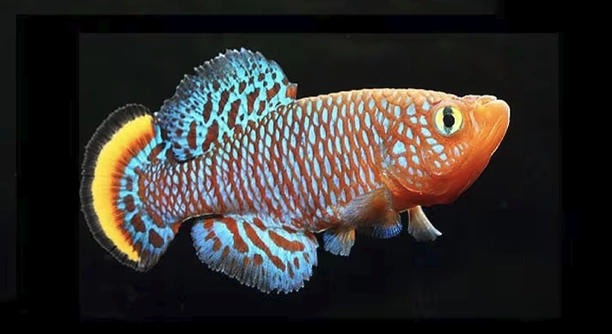
Killi fish are popular for their vibrant colors and active behavior in home aquariums. Many hobbyists want to know how these small fish react to different water conditions. Aquarium salt is often used, but its effects on killi fish need careful consideration.
Killi fish can tolerate low levels of aquarium salt, but high concentrations may cause stress or harm. Gradual introduction and monitoring are essential to avoid negative effects and maintain a healthy environment for these sensitive fish.
Knowing the right salt levels can improve your killi fish’s health and prevent common problems in their care. This article will explain how to safely use aquarium salt with killi fish.
What Is Aquarium Salt and Why Is It Used?
Aquarium salt is a type of salt specially made for freshwater tanks. It is not the same as table salt because it does not contain additives that can harm fish. Many fishkeepers add aquarium salt to help improve fish health. It can help reduce stress, fight some diseases, and improve gill function. Salt can also promote slime coat production, which protects fish from infections. However, not all fish respond the same way to salt, and some species are more sensitive. For killi fish, which are small and delicate, the use of aquarium salt must be carefully managed to avoid harm. Overuse or sudden changes can cause problems, so it’s important to understand how to use salt correctly in your tank. Always start with small amounts and observe your fish closely.
Proper aquarium salt use can support fish health, but overdoing it can lead to serious issues.
Adding salt gradually and monitoring water parameters are key steps to ensure your killi fish stay healthy and comfortable. Adjust salt levels based on how your fish react, and avoid sudden changes to prevent stress. If you notice signs like rapid breathing or unusual swimming, it may be time to reduce or remove the salt. Also, keep in mind that plants and invertebrates in the tank may be affected by salt, so balance the needs of all tank inhabitants. When used carefully, aquarium salt can be a helpful tool in maintaining a thriving killi fish tank.
How Much Aquarium Salt Is Safe for Killi Fish?
Killi fish generally tolerate low salt levels better than fresh water without any salt. Around 0.1% to 0.3% salt concentration is usually safe for short periods. This equals about 1 to 3 grams of aquarium salt per liter of water.
High salt levels can cause stress and damage the delicate skin and gills of killi fish. These fish come from environments with varying salinity, but sudden changes or too much salt can upset their balance. Even a small overdose might lead to lethargy, loss of appetite, or death. If salt is needed for treatment, keep it as low as possible and limit the exposure time. Salt should be removed quickly after use to prevent harm. Regular water testing and slow adjustments help maintain a stable environment, which is essential for killi fish health. Always research your fish species before adding salt to their tank.
Signs Killi Fish Are Stressed by Aquarium Salt
When killi fish react poorly to salt, their behavior changes noticeably. They may swim erratically, hide more than usual, or appear lethargic. These signs indicate discomfort and possible stress caused by the salt concentration.
If you observe these symptoms, it’s important to act quickly. Lower the salt level by doing a partial water change with fresh, untreated water. Monitor your fish closely after the change to see if they improve. Stress from salt can weaken their immune system, making them more vulnerable to disease. Prevention is easier than treatment, so avoid adding too much salt too fast. Keeping water conditions stable is the best way to protect your killi fish and maintain their natural behavior.
Over time, watch for longer-term signs like weight loss or faded colors. These subtle indicators can mean the fish are struggling and need adjustments to their environment.
How to Safely Use Aquarium Salt for Killi Fish
Start by measuring the correct amount of salt based on your tank size. Adding salt slowly in small doses helps your fish adjust without shock. Always dissolve the salt in water before adding it to the tank to ensure even distribution. Avoid adding salt directly near your fish to prevent localized high concentrations.
Keep the salt concentration low, usually not exceeding 0.3%, and limit salt use to short treatment periods. If you are using salt for disease control, follow recommended treatment times strictly and remove the salt afterward with a water change. Regularly test water parameters like pH and hardness, as salt can alter these factors and affect fish health.
Remember, salt is a tool, not a cure-all. Balanced water quality, proper diet, and good tank maintenance are essential for keeping killi fish healthy and happy. Use salt only when necessary and always monitor your fish for any signs of stress.
Alternatives to Aquarium Salt for Killi Fish
Using aquarium salt isn’t always necessary for killi fish health. Maintaining clean water and a stable environment often prevents many common problems.
Good filtration and regular water changes are key. These steps help keep your fish stress-free without needing extra additives like salt.
How to Prepare a Salt Bath for Killi Fish
A salt bath can be used to treat specific illnesses safely. Prepare the bath by dissolving aquarium salt in a separate container of tank water at a low concentration. Place the affected fish gently into the solution for 5 to 10 minutes. Monitor closely for any signs of distress and remove the fish immediately if stress appears. After the bath, return the fish to the main tank with normal water. This method helps target parasites or infections without exposing the entire tank to salt.
When to Avoid Using Aquarium Salt
Avoid using aquarium salt if you have live plants or invertebrates in your tank. Salt can harm these organisms and disrupt the tank’s balance.
Regular water care often replaces the need for salt in most cases.
FAQ
Can killi fish live permanently in salted water?
Killi fish are freshwater species that tolerate low salt levels only for short periods. Keeping them in permanently salted water can cause long-term stress and health problems. Their natural habitats sometimes have slight salinity changes, but constant exposure to salt in an aquarium is not recommended. It’s best to maintain freshwater conditions and use salt only when necessary, such as during specific treatments.
How much aquarium salt should I add for treating diseases in killi fish?
For treatment, a typical safe dose ranges between 0.1% to 0.3% salt concentration, which is about 1 to 3 grams per liter. Always start with the lower end and observe your fish carefully. Treatment duration usually lasts from a few days up to one week. It is important to remove the salt after treatment with a partial water change to avoid buildup and stress on your fish.
Is aquarium salt safe for baby killi fish or fry?
Baby killi fish are more sensitive than adults and usually cannot tolerate even low levels of salt. Using aquarium salt around fry is risky and generally not advised unless under strict guidance. If you must use salt, opt for very mild concentrations and short exposure times, but it’s safer to avoid it altogether to protect fragile young fish.
Can I use regular table salt instead of aquarium salt?
No, regular table salt contains additives like iodine and anti-caking agents that can harm your fish. Aquarium salt is pure sodium chloride without harmful additives, making it safer for fish use. Always choose salt designed for aquarium use to avoid damaging your killi fish and other tank inhabitants.
How often can I use aquarium salt in a killi fish tank?
Aquarium salt should not be used routinely or as a preventive measure. Frequent or continuous use can disrupt the natural balance of the tank and harm your fish. Use it only when necessary, such as for treating specific diseases, and remove it after the treatment period ends. Regular water changes and proper tank maintenance are better for long-term fish health.
What should I do if my killi fish show signs of stress after adding salt?
If your killi fish act stressed after salt addition—such as rapid breathing, hiding, or unusual swimming—perform an immediate partial water change to reduce the salt concentration. Remove about 20-30% of the tank water and replace it with fresh, untreated water. Continue to observe your fish closely and avoid adding more salt until they recover fully.
Can aquarium salt help prevent diseases in killi fish?
While aquarium salt can support fish health by reducing stress and improving gill function, it is not a guaranteed disease prevention method. Good water quality, proper nutrition, and maintaining a stable environment are far more effective at preventing illnesses. Salt can be helpful during treatment but should not replace these basic care steps.
Will aquarium salt harm live plants or other tank inhabitants?
Yes, aquarium salt can negatively affect live plants and invertebrates like shrimp and snails. Salt may damage plant leaves, stunt growth, or kill sensitive invertebrates. If your tank has these inhabitants, avoid using salt or treat fish separately with salt baths. Always consider all tank residents before adding salt to your aquarium.
How do I safely remove aquarium salt after treatment?
After completing salt treatment, remove it by performing several partial water changes with fresh water. Typically, changing 25-30% of the tank water every few hours or daily over several days works well. Use a water conditioner if needed and test water parameters to ensure salt levels return to zero. This gradual process helps avoid sudden changes that could stress your fish.
Can salt cause dehydration in killi fish?
Excessive salt levels can create osmotic stress, which may lead to dehydration in killi fish. Salt pulls water out of fish cells, causing discomfort and potential health issues. This is why keeping salt concentration low and adding it carefully is essential. Always monitor your fish and reduce salt if any signs of dehydration or stress appear.
Killi fish are small, colorful freshwater fish that many people enjoy keeping in their home aquariums. When it comes to adding aquarium salt, it’s important to be cautious. While salt can have benefits, such as helping with certain illnesses and improving fish health, it can also cause stress if used incorrectly. Killi fish are sensitive to changes in their environment, and too much salt or sudden changes can harm them. Using salt sparingly and with care is the best approach to keep these fish healthy and comfortable in their tanks.
It is always better to focus on maintaining clean water and a stable tank environment before considering adding any salt. Regular water changes, proper filtration, and a balanced diet are the foundation of good fish care. If a health problem arises, aquarium salt can be a useful treatment but should only be used for short periods and at low concentrations. Monitoring your killi fish closely when salt is introduced is important to catch any signs of stress early. If the fish show any unusual behavior or discomfort, removing the salt quickly by doing a partial water change will help prevent further problems.
Overall, aquarium salt is a tool that can support killi fish care when used correctly, but it is not necessary all the time. Understanding how sensitive killi fish are and respecting their natural needs will lead to better results. Keeping water quality high and making slow, careful adjustments in salt levels will help these fish thrive. By balancing salt use with good tank maintenance, you can enjoy the bright colors and lively activity of your killi fish without putting their health at risk.

Hello,
If you enjoy the content that we create, please consider saying a "Thank You!" by leaving a tip.
Every little bit helps us continue crafting quality advice that supports the health, happiness, and well-being of pets around the world, for pets of all shapes, sizes, and species.
We really appreciate the kindness and support that you show us!