
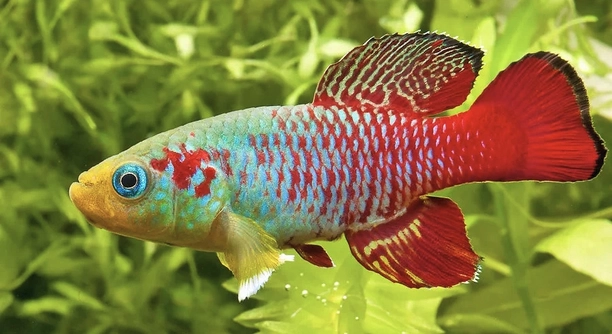
Many aquarium owners enjoy adding plants to create a natural environment for their killis. Choosing the right plants that thrive in low-light conditions can make maintenance easier and support the fish’s well-being. Low-light plants offer beauty without extra effort.
Low-light plants suitable for killis include species like Anubias, Java Fern, Cryptocoryne, and mosses, which require minimal light and provide shelter, improving water quality and mimicking natural habitats essential for killifish health and comfort.
These plants can transform your tank into a thriving, peaceful space while keeping care simple and manageable.
Why Low-Light Plants Work Well for Killis
Killifish, or killis, come from environments where sunlight is often filtered through dense foliage or murky water. Because of this, they don’t require bright lighting in their tanks. Low-light plants naturally fit this need since they thrive in shaded or dim areas. These plants grow slowly, which means less frequent trimming and care for you. They also provide safe hiding spots that reduce stress for the fish. When your tank has low-light plants, the water stays cleaner longer because the plants absorb excess nutrients. This helps prevent algae growth, which can harm both plants and fish. Choosing low-light plants creates a balanced tank where killis feel comfortable and secure, supporting their natural behavior and health over time.
Low-light plants are easier to maintain in killifish tanks. They match the natural habitat conditions and reduce the need for strong artificial lighting.
Providing shelter and helping keep water clean, these plants improve the tank environment. They allow killis to swim freely without stress while offering places to rest or hide.
Popular Low-Light Plants for Killis Tanks
Many common low-light plants are perfect for killis aquariums. Anubias species are hardy and attach to rocks or driftwood, needing little light. Java Fern grows well on wood or substrate and tolerates low light. Cryptocoryne varieties are slow growers but provide excellent coverage at the bottom of the tank. Mosses like Java Moss create soft hiding spots and require minimal care. These plants don’t need fertilizers or strong lighting, making them ideal for simple tanks. Their slow growth helps prevent overcrowding, so you won’t have to prune often. Using these plants not only benefits the fish but also adds a natural look to the tank. By selecting any of these options, you can create a peaceful, low-maintenance space for your killis to thrive.
Caring for Low-Light Plants in Killis Tanks
Low-light plants need stable conditions to thrive. Avoid sudden changes in water temperature or chemistry, as these can stress both plants and fish. Keep lighting on a timer to mimic natural day and night cycles, usually around 8 to 10 hours daily.
Maintaining these plants involves gentle cleaning to remove dead leaves and occasional trimming to prevent overcrowding. Use a soft brush or your fingers to clear algae off leaves without damaging them. Regular water changes also help keep nutrient levels balanced, supporting healthy plant growth. Because these plants grow slowly, you won’t have to prune often, which makes tank maintenance easier.
Fertilizers are generally not necessary in low-light setups. If used, opt for root tabs instead of liquid fertilizers to avoid excess nutrients that encourage algae growth. Monitoring water parameters ensures plants and killis remain comfortable and healthy together.
Benefits of Low-Light Plants for Killis
Low-light plants improve the overall environment in killis tanks. They provide natural hiding spots that reduce fish stress and encourage natural behavior. This is important for killifish, which can be shy and easily stressed in bright, open tanks.
These plants help absorb harmful nitrates and other waste products, improving water quality. This natural filtration reduces the need for frequent water changes and helps keep the tank stable. By supporting a balanced ecosystem, low-light plants contribute to the health and longevity of your killifish. Adding these plants creates a peaceful, natural habitat that benefits both fish and tank keepers alike.
Common Challenges with Low-Light Plants
Low-light plants may struggle if the tank’s water quality is poor. Excess algae growth can cover leaves, blocking light and slowing plant growth. Regular cleaning helps prevent this issue and keeps plants healthy.
Sometimes plants grow too slowly or lose color, often due to nutrient deficiencies. Adding root tabs can boost growth without encouraging algae.
How to Choose the Right Low-Light Plants
Select plants that fit your tank size and the behavior of your killis. Smaller plants like Java Moss work well in compact tanks. Larger plants like Anubias provide hiding places for shy fish. Choose hardy species that tolerate varying water conditions for easier care.
Lighting Tips for Low-Light Plants
Use soft, indirect lighting to avoid stressing the plants or fish. Timers help maintain consistent light cycles.
FAQ
What are the best low-light plants for killifish tanks?
The best low-light plants for killis include Anubias, Java Fern, Cryptocoryne, and various mosses like Java Moss. These plants tolerate low lighting well and grow slowly, which means less trimming and easier care. They also provide natural hiding places that killis appreciate, helping reduce their stress.
How much light do low-light plants need?
Low-light plants generally need around 6 to 10 hours of light daily. It’s important to avoid strong, direct lighting, which can cause algae growth and stress the fish. Using a timer to keep a consistent light schedule helps maintain healthy plants and a calm environment for killis.
Can I use fertilizers with low-light plants?
Fertilizers aren’t usually necessary in a low-light tank, but if your plants show slow growth or lose color, root tabs are a safe choice. They provide nutrients directly to the roots without overloading the water, which helps avoid excess algae that can harm both plants and fish.
How often should I trim low-light plants?
Because low-light plants grow slowly, trimming is only needed every few months. Regularly removing dead or damaged leaves helps prevent decay in the tank. Keeping plants from overcrowding ensures enough space and light for healthy growth.
Will low-light plants help keep my tank clean?
Yes, low-light plants absorb nitrates and other waste products, improving water quality naturally. They act as a natural filter, reducing the frequency of water changes. However, plants alone can’t replace good tank maintenance but can make it easier.
Do low-light plants affect killifish behavior?
These plants create hiding spots and shelter, which reduces stress and encourages natural behaviors like resting and exploring. Killis often feel safer and more active in tanks with plenty of plants. It’s important to balance plant density so the fish have open swimming areas.
Can low-light plants survive without CO2 injection?
Most low-light plants do well without CO2 injection. They grow slowly and adapt to the lower nutrient levels in a tank without added CO2. This makes them ideal for beginners or low-maintenance setups with killifish.
What common problems should I watch for with low-light plants?
Watch for algae buildup on leaves, which can block light and stunt growth. Poor water quality, such as high nitrates or inconsistent temperature, can also affect plants negatively. Regular cleaning and stable tank conditions help prevent these problems.
Is substrate important for low-light plants?
While some low-light plants can attach to rocks or driftwood, others like Cryptocoryne benefit from nutrient-rich substrate. Using the right substrate supports root growth and helps plants absorb nutrients, contributing to healthier, more vibrant foliage.
Can low-light plants thrive in tanks with aggressive fish?
Killifish are generally peaceful but may nip at plants occasionally. Most low-light plants are hardy enough to handle light nibbling, but if your killis are particularly active, choose tougher plants like Anubias or Java Fern that attach firmly to hard surfaces.
How do I introduce low-light plants to my killis tank?
Rinse plants gently to remove debris and hitchhikers before adding them to the tank. Place rooted plants in substrate and attach others like Anubias or Java Fern to driftwood or rocks. Introduce plants slowly, allowing time to adjust to tank conditions before adding more.
Can low-light plants survive in different water conditions?
Many low-light plants adapt well to a range of water parameters, but it’s best to match plants to your killis’ natural environment. Most prefer slightly acidic to neutral water, moderate hardness, and stable temperatures between 72-78°F (22-26°C). Keeping conditions consistent helps plants thrive.
Will low-light plants affect algae growth?
Properly cared for low-light plants can help reduce algae by competing for nutrients. However, too much light or excess nutrients will encourage algae regardless. Balancing light, nutrients, and regular maintenance is key to controlling algae in any planted tank.
Low-light plants are a great choice for killifish tanks because they create a natural, calming environment with minimal effort. These plants do not need strong lighting or frequent care, making them ideal for anyone who wants to keep their tank simple but healthy. When you add low-light plants like Anubias or Java Fern, you help your killis feel safe and comfortable. These plants provide hiding places and resting spots, which are important for reducing fish stress. A tank with the right plants feels more balanced and looks nicer too.
Taking care of low-light plants is usually straightforward. They grow slowly, so you don’t have to trim them often. It’s important to keep the water clean and stable and avoid sudden changes that can harm both plants and fish. Using timers for lighting helps keep the plants healthy without encouraging algae growth. If plants seem to grow slowly or lose color, adding root tabs can help provide needed nutrients without making algae worse. Regular cleaning to remove dead leaves and algae also keeps the plants thriving. Overall, maintaining a low-light planted tank is easier than it might seem.
Adding low-light plants benefits both the fish and the tank keeper. These plants improve water quality by absorbing excess nutrients and help prevent algae growth. They support the natural behavior of killis by offering shelter and places to explore. This creates a more peaceful and stable tank environment. Whether you are new to keeping killifish or have experience, low-light plants make the tank healthier and more attractive. They allow you to enjoy the beauty of your killis without spending too much time on plant care, which makes the whole experience more rewarding.

Hello,
If you enjoy the content that we create, please consider saying a "Thank You!" by leaving a tip.
Every little bit helps us continue crafting quality advice that supports the health, happiness, and well-being of pets around the world, for pets of all shapes, sizes, and species.
We really appreciate the kindness and support that you show us!