
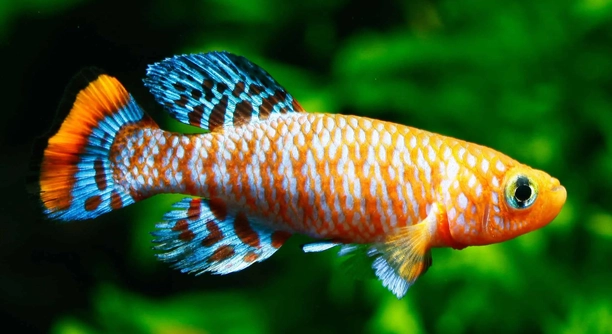
Raising killi fry can be a rewarding experience for any fish enthusiast. These small fish require careful attention during their early stages of life. Proper care helps ensure they grow healthy and strong.
The best practices for raising killi fry include maintaining clean water, providing appropriate food, controlling temperature, and creating a safe environment. These factors are essential to support their survival and growth during this delicate phase.
Following these guidelines will improve your chances of successfully nurturing your killi fry to adulthood.
Setting Up the Right Environment
Creating a proper environment for killi fry is one of the most important steps. They need clean, fresh water that is free of harmful chemicals. Using a gentle filter helps keep the water clear without stressing the tiny fry. It’s also important to keep the water temperature steady, usually between 72 and 78 degrees Fahrenheit. Sudden changes can shock the fry and cause health problems. Adding some live plants or fine-leaved moss gives the fry places to hide and feel safe. This reduces stress and helps them grow better. Lighting should be moderate, not too bright, as harsh light can disturb them. Regular water changes, about 20% every few days, help maintain good water quality. A stable, clean environment creates the best start for your killi fry to thrive.
A stable environment reduces stress and improves survival rates. Fry are sensitive to water changes and need gentle care.
Keeping conditions steady and monitoring water quality will make your tank a healthy home for the fry. Using live plants not only offers shelter but also improves oxygen levels. Avoid overcrowding to prevent stress and competition for food. Remember, patience is key—healthy fry take time to grow. By providing the right surroundings, you set a solid foundation for their development and well-being.
Feeding the Killi Fry
Feeding young killi fry requires small, frequent meals. They cannot eat large particles, so very fine food or live micro-food is best.
At first, newly hatched brine shrimp or specially made fry food works well. These tiny foods give the right nutrients for growth and help avoid water pollution from uneaten food. Gradually, as fry grow, you can introduce slightly larger food, like crushed flakes or microworms. Feeding small amounts often, about three to four times a day, prevents overfeeding and keeps the water cleaner. Avoid feeding once or twice large meals because the fry may not eat it all. Careful feeding helps maintain their health and supports steady growth.
Monitoring Water Quality
Regularly checking water quality is crucial for killi fry health. Parameters like ammonia, nitrite, and nitrate levels should always be near zero to avoid toxicity.
Testing water frequently helps catch problems early before they harm the fry. Using a reliable test kit, check ammonia and nitrite at least twice a week. Both can be deadly even in small amounts. Nitrate is less toxic but should be kept below 20 ppm to prevent stress. Changing part of the water often helps keep these levels low. Additionally, monitor pH levels to keep them stable, ideally between 6.5 and 7.5. Sudden shifts in pH can be harmful. Consistent care in water monitoring will protect your fry from common health issues and increase their survival chances.
Proper filtration and regular water changes help maintain stable water conditions. Avoid overfeeding as leftover food increases toxins. Clean the tank carefully without disturbing the fry too much. Keeping water quality in check reduces stress and supports strong, healthy growth for the killi fry.
Avoiding Common Diseases
Disease prevention starts with maintaining cleanliness and a good diet. Sick fry can spread illness quickly in a small tank.
Quarantining new fish before adding them to the main tank reduces the risk of introducing disease. Observe fry daily for signs like lethargy, white spots, or unusual swimming. Early detection is key to effective treatment. Avoid overcrowding to lower stress, which weakens immune systems. If disease appears, removing affected fry and treating the water with safe medications is important. Healthy water and proper nutrition strengthen resistance to infections. Taking these precautions will help keep your killi fry healthy and thriving throughout their development.
Tank Maintenance Tips
Regular tank maintenance is essential to keep the environment safe for killi fry. Cleaning should be gentle to avoid stressing the fry. Use a siphon to remove debris and uneaten food from the substrate without disturbing the fry too much.
Changing 15-20% of the water weekly keeps toxins low and supports healthy growth. Avoid harsh chemicals or strong water treatments that can harm the fry.
Lighting Conditions
Killi fry prefer moderate lighting that mimics natural daylight. Too bright light can cause stress and lead to hiding or inactivity. Using a timer to provide 10-12 hours of light daily helps maintain a healthy cycle and promotes normal behavior.
Growth Monitoring
Keep track of your fry’s growth by noting size changes weekly. Healthy fry will steadily grow and become more active over time.
Avoiding Overcrowding
Overcrowding can lead to stress, poor water quality, and slower growth. Keeping the fry population within tank limits improves their overall health and development.
FAQ
How often should I feed killi fry?
Killi fry need to be fed small amounts multiple times a day, ideally three to four times. Their tiny mouths cannot handle large food pieces, so frequent, small meals ensure they get enough nutrients without polluting the water. Overfeeding can cause water quality problems, so it’s better to feed less but more often.
What is the best food for killi fry?
Newly hatched brine shrimp is one of the best foods for killi fry because it’s small and full of nutrients. You can also use specialized powdered fry food or microworms. As fry grow, crushed flakes or finely ground pellets can be introduced gradually.
How important is water temperature?
Water temperature is very important for killi fry development. The ideal range is between 72 and 78 degrees Fahrenheit. Temperatures too low or too high can slow growth or cause stress, leading to health issues. Using a reliable heater and thermometer helps keep the temperature steady.
Can I keep different species of fry together?
It’s generally better to keep fry of the same species together. Different species might have varying needs for water conditions, food size, or behavior. Mixing species can increase stress and competition for food, which may reduce survival rates.
How often should I change the water?
Changing about 15-20% of the tank water once a week is a good routine. This helps keep ammonia, nitrite, and nitrate levels low. Make sure the new water is treated and matches the tank temperature to avoid shocking the fry.
What signs show that killi fry are healthy?
Healthy fry are active and swim freely around the tank. They have clear eyes and smooth, well-formed bodies. They will respond to food quickly and grow steadily. Any unusual behavior, like hiding all the time or gasping at the surface, may indicate a problem.
How do I prevent diseases in killi fry?
Prevent diseases by maintaining clean water, avoiding overcrowding, and feeding proper food. Quarantine any new fish or plants before adding them to the tank. Monitor fry daily for signs of illness and act quickly if symptoms appear.
Can I use tap water for the fry tank?
Tap water can be used but must be treated to remove chlorine, chloramines, and heavy metals. Using a water conditioner designed for aquariums makes tap water safe. Testing the water before adding it helps ensure it is suitable for fry.
What is the best tank size for killi fry?
A smaller tank between 5 and 10 gallons is often enough for raising killi fry. It’s easier to manage water quality in a smaller space, and the fry are easier to observe. However, avoid overcrowding to keep stress levels low.
When can I start feeding larger food?
You can start feeding larger food like crushed flakes or small pellets once the fry grow enough to eat it, usually after two to three weeks. Watch their size and adjust food gradually to prevent choking or leftover food that pollutes the tank.
Raising killi fry takes patience and careful attention. From setting up the right environment to feeding and maintaining water quality, every step plays an important role in their survival and growth. The fry are delicate at first, so providing clean water, stable temperature, and gentle care is necessary. Small details like using live plants for shelter and avoiding overcrowding can make a big difference. When all these factors are in place, the fry have a much better chance to grow strong and healthy.
Feeding the fry properly is also very important. They need very small food particles and frequent meals to get enough nutrients without fouling the water. Starting with live foods like baby brine shrimp and gradually moving to crushed flakes helps meet their nutritional needs as they grow. Overfeeding can lead to poor water quality and stress, so it’s better to feed smaller amounts more often. Watching how the fry respond to food and adjusting the feeding routine can help keep them healthy.
Regular tank maintenance and water testing are key to preventing problems. Keeping ammonia, nitrite, and nitrate levels low protects the fry from toxic conditions. Changing part of the water regularly and using gentle filtration supports a clean environment. Watching for signs of illness and acting quickly can prevent disease from spreading. Although raising killi fry can be challenging, following these simple practices improves the chances of success and allows you to enjoy seeing them grow into beautiful adult fish.

Hello,
If you enjoy the content that we create, please consider saying a "Thank You!" by leaving a tip.
Every little bit helps us continue crafting quality advice that supports the health, happiness, and well-being of pets around the world, for pets of all shapes, sizes, and species.
We really appreciate the kindness and support that you show us!