
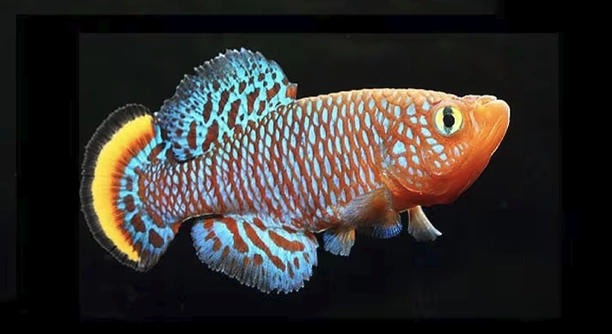
Killi fish are small, colorful freshwater fish often kept in home aquariums. Like many fish, they experience stress in certain situations, which can affect their behavior and health. Knowing how they respond to stress helps owners provide better care.
When stressed, killi fish may become less active, hide more frequently, and display rapid gill movement or erratic swimming. These behaviors indicate discomfort and can lead to weakened immune response and increased susceptibility to disease.
Learning to recognize stress signs in killi fish will improve their wellbeing and help maintain a healthy aquarium environment.
Signs of Stress in Killi Fish
Killi fish show stress in ways that are sometimes easy to miss. They might stop swimming around as much and instead stay hidden behind plants or decorations. You may notice their colors fading or becoming dull. Rapid breathing, where their gills move faster than normal, is also a key sign. Sometimes, they swim erratically or crash into aquarium walls. These changes often mean the fish is uncomfortable or scared. Stress can come from several sources, like poor water quality, sudden changes in temperature, or overcrowding. Being aware of these signs helps catch problems early, preventing more serious health issues. Regularly checking water conditions and keeping a calm environment reduces stress for your killi fish. You might also notice that stressed fish avoid food or act less curious about their surroundings. Paying close attention to these behaviors is important for their care.
Stress signs can be subtle but paying attention to movement and color helps in early detection.
Killi fish rely heavily on their environment’s stability. Changes in lighting, water temperature, or tank mates can create stress. For example, a sudden shift in water temperature can shock their system, making them lethargic or hiding more. Overcrowding is another stress factor, as killi fish need space to swim freely. Introducing aggressive or incompatible tank mates may cause constant fear and stress. Good water quality is crucial—high levels of ammonia or nitrites quickly affect their health. Using a water testing kit regularly helps keep the tank safe. Keeping the tank clean and stable allows killi fish to feel secure and behave naturally. Observing their daily habits helps you spot if something is wrong before illness develops.
How to Help Your Killi Fish Relax
Reducing stress in killi fish requires consistent care and a calm environment. Start by maintaining stable water conditions with regular water changes and proper filtration. Avoid sudden changes in temperature or lighting. Creating plenty of hiding spots using plants and decorations helps fish feel safe. Keeping tank mates peaceful and compatible reduces aggression and stress. Feeding a balanced diet also supports their health and resilience. When introducing new fish or changing the tank setup, do it gradually to prevent shock. Monitoring your fish daily allows you to catch early signs of stress. Taking these steps ensures your killi fish can thrive, stay healthy, and show their natural colors and behaviors. Remember, a little attention goes a long way in keeping these delicate fish comfortable.
A stable and peaceful tank environment is key to reducing stress and promoting well-being in killi fish.
Avoid overcrowding and sudden environmental changes to maintain calm and support your fish’s health and happiness.
Environmental Factors That Cause Stress
Poor water quality is one of the main causes of stress for killi fish. High ammonia, nitrite, or nitrate levels create a toxic environment that harms their health. Temperature fluctuations and improper pH levels also stress these fish.
Water changes and testing are essential to maintain a stable tank environment. Use a reliable test kit to monitor ammonia, nitrites, nitrates, and pH regularly. Avoid sudden temperature changes by using a heater with a thermostat. Keeping the water clean and stable prevents stress and disease. Always treat tap water to remove chlorine and chloramines before adding it to the tank.
Lighting affects stress levels too. Too much bright light or sudden changes in lighting can frighten killi fish. Keep a consistent light schedule, ideally 8 to 10 hours per day. Use plants or decorations to provide shaded areas where fish can hide if needed. Proper lighting balance helps fish feel secure and reduces stress.
The Role of Tank Mates in Stress
Aggressive or incompatible tank mates can cause constant stress for killi fish. Territorial or larger fish may chase or bully them, leading to hiding or injury. Peaceful and similar-sized fish are better companions.
Introducing new fish slowly helps reduce stress for all tank inhabitants. Quarantine new arrivals before adding them to the main tank to prevent disease spread. Observe interactions closely during the first days to spot any aggression or bullying. If necessary, separate aggressive fish to protect the killis. Providing enough space and hiding spots reduces conflict and stress. A well-planned community tank encourages natural behavior and keeps your killis calm.
Feeding Habits and Stress
Poor diet can cause stress in killi fish. Feeding low-quality or inappropriate food weakens their immune system and energy levels.
Offer a varied diet that includes live or frozen foods like brine shrimp and daphnia. This supports their health and reduces stress naturally.
Recognizing Illness from Stress
Stress weakens the immune system, making killi fish more vulnerable to diseases. Common signs include white spots, torn fins, and lethargy. Early detection is important to prevent serious health problems.
Maintaining a Stable Routine
Keeping a consistent feeding and cleaning schedule helps reduce stress. Fish thrive on routine, and changes can make them anxious or scared.
Avoiding Overcrowding
Too many fish in one tank increase stress levels. Providing adequate space is essential for healthy, relaxed killi fish.
FAQ
How can I tell if my killi fish is stressed?
Stressed killi fish often hide more than usual, swim erratically, or stay still at the tank’s bottom or corners. You might see faded colors or rapid gill movement. Loss of appetite and less interaction with their environment are also signs to watch for.
What causes stress in killi fish?
Stress comes from poor water quality, sudden changes in temperature or lighting, overcrowding, and aggressive tank mates. A lack of hiding spaces and improper diet also contribute to stress. Any sudden change in their environment can upset these delicate fish.
How often should I test my aquarium water?
Testing the water at least once a week helps catch problems early. Key things to monitor are ammonia, nitrites, nitrates, and pH levels. Keeping these stable prevents stress and health issues.
What is the best diet to reduce stress in killi fish?
Feeding a varied diet with live or frozen foods like brine shrimp, daphnia, and bloodworms keeps killi fish healthy and less stressed. Avoid overfeeding or poor-quality flake foods, which can cause digestive issues and weaken immunity.
Can changing tank mates help reduce stress?
Yes. Aggressive or much larger fish often stress killis. Choose peaceful, similar-sized species as tank mates. If aggression starts, separating the fish or changing the tank setup helps keep everyone calm.
How do I create hiding spots for my killi fish?
Use plants, rocks, or aquarium decorations to provide shelter. Floating plants and dense vegetation offer shaded areas where killis can retreat when stressed. This mimics their natural habitat and makes them feel safer.
What temperature is best for killi fish to avoid stress?
Killi fish usually prefer water temperatures between 72°F and 78°F (22°C to 26°C). Keeping the temperature stable within this range helps avoid stress. Use a heater with a thermostat for precise control.
How important is a stable lighting schedule?
Very important. Sudden or strong light changes can frighten killi fish. Keeping a consistent light schedule of about 8 to 10 hours daily creates a calm environment. Adding shaded areas lets fish escape bright light when needed.
How do I introduce new fish without causing stress?
Quarantine new fish for at least two weeks before adding them to the main tank. Introduce them slowly and watch interactions carefully. Gradual introductions prevent sudden stress and reduce the risk of disease spreading.
What are common illnesses caused by stress?
Stress weakens immune systems, making fish prone to infections like ich (white spot disease), fin rot, and fungal infections. Recognizing early symptoms and improving tank conditions can help prevent these illnesses.
Can overfeeding cause stress?
Yes. Overfeeding leads to poor water quality and digestive problems, which stress killi fish. Feed small amounts once or twice a day, only as much as they can eat in a few minutes.
How can I keep my killi fish calm during tank maintenance?
Perform regular but gentle water changes and cleanings. Avoid sudden movements or loud noises near the tank. Doing maintenance at consistent times helps fish adjust and feel less stressed.
Is overcrowding harmful for killi fish?
Definitely. Overcrowding increases competition for space and food, causing stress and aggressive behavior. Provide enough space according to tank size and number of fish to keep them healthy.
How long can killi fish stay stressed before it affects their health?
Prolonged stress, even for a few days to weeks, weakens their immune system and can lead to illness or death. Early action to reduce stress is crucial for their wellbeing.
What should I do if my killi fish shows signs of stress?
Check water quality immediately and make any needed corrections. Look for environmental changes that may have triggered stress. Provide hiding spots, adjust tank mates if needed, and feed a balanced diet. If symptoms persist, consult a vet or aquarium expert.
Final Thoughts
Killi fish are delicate creatures that need careful attention to thrive. Stress can affect their behavior, health, and overall wellbeing. It is important to recognize the signs early, such as hiding, faded colors, or unusual swimming patterns. By understanding how stress shows in these fish, you can take the necessary steps to improve their environment and keep them healthy. Regular monitoring of water quality, temperature, and tank conditions is a simple but effective way to reduce stress.
Creating a stable and peaceful tank is key to helping killi fish feel safe. This means maintaining clean water with proper filtration, stable temperatures, and a consistent lighting schedule. Providing hiding spots with plants or decorations allows the fish to retreat when they feel nervous. Choosing peaceful tank mates and avoiding overcrowding also helps reduce tension in the aquarium. Feeding a varied diet of live or frozen foods supports their immune system and keeps them energetic.
Taking good care of your killi fish involves daily observation and small adjustments. It’s normal for changes to happen in an aquarium, but sudden shifts in environment or care routines can cause stress. By keeping things stable and responding quickly to any signs of trouble, you create a healthy home for your fish. This thoughtful care not only reduces stress but also helps your killi fish show their beautiful colors and natural behaviors. With patience and attention, your killi fish can live a long, comfortable life in your tank.

Hello,
If you enjoy the content that we create, please consider saying a "Thank You!" by leaving a tip.
Every little bit helps us continue crafting quality advice that supports the health, happiness, and well-being of pets around the world, for pets of all shapes, sizes, and species.
We really appreciate the kindness and support that you show us!