
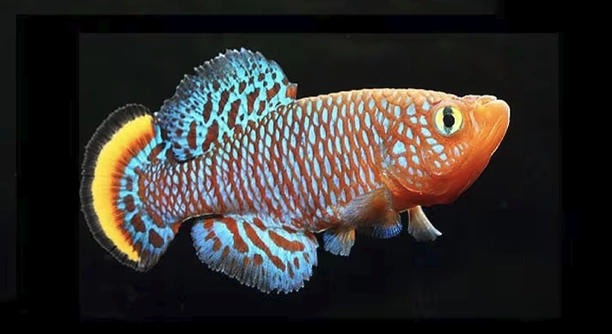
Killi water discoloration can be frustrating for anyone who keeps these delicate fish. It often signals an imbalance in the aquarium or water quality issues that need quick attention. Knowing how to act fast can keep your fish healthy and happy.
The best way to fix killi water discoloration is by addressing the root causes, such as removing impurities, improving filtration, adjusting pH levels, and regularly changing the water. These steps restore clarity and support a stable environment for the fish.
Understanding these quick fixes can make caring for your killi fish easier and help maintain a clean, clear aquarium all year round.
Check and Clean Your Aquarium Filter
A dirty or clogged filter can cause water discoloration in your killi tank. Filters help remove waste, uneaten food, and other particles that cloud the water. If the filter is not working well, these materials build up and make the water look murky or yellowish. Cleaning the filter regularly ensures it works efficiently. Rinse the filter media with aquarium water to avoid killing beneficial bacteria. Avoid using tap water directly, as chlorine can harm the bacteria that keep your tank balanced. Also, replace filter cartridges as recommended by the manufacturer. Proper filter maintenance will keep your aquarium water clear and safe for your killi fish. It’s a simple step but very effective for quick water fixes.
Filters can get dirty fast, especially in tanks with many fish. Stay on top of cleaning to keep water clear.
If you notice discoloration, start by checking the filter. Cleaning or replacing parts might be all you need. Regular maintenance keeps the water clear and your fish healthy. Filters play a big role in water quality, so don’t overlook them.
Regular Water Changes Are Essential
Water changes dilute pollutants and remove waste that the filter can’t catch. Changing 20-30% of the water weekly helps keep the tank environment stable. Use a water conditioner to remove chlorine and chloramine from tap water before adding it to the tank. This prevents stress or damage to your killi fish. Keep the water temperature and pH similar to the tank to avoid shocking your fish. Partial water changes prevent buildup of toxins that cause discoloration and keep the tank fresh. This habit improves water clarity quickly and supports your fish’s health over time. Skipping water changes often leads to cloudy or tinted water, which can harm your killi’s environment.
Regular water changes may seem like extra work but are key to a healthy tank. They keep water clean and stable.
If discoloration persists, increase the frequency of water changes temporarily. Consistent partial changes are better than full water replacements. This keeps beneficial bacteria intact and reduces stress on your fish. Clean water promotes vibrant colors in your killi and reduces algae growth, which also affects clarity. Combine this with filter care for best results.
Remove Uneaten Food Promptly
Uneaten food breaks down and clouds the water quickly. Removing leftovers after feeding keeps the tank cleaner. This prevents waste buildup that causes discoloration and harmful ammonia spikes.
Leaving uneaten food in the tank allows bacteria to multiply, which affects water clarity and fish health. Feeding smaller amounts more often helps reduce leftovers. Using a feeding ring or spot-feeding method can control where food goes, making it easier to clean. A siphon or small net works well for removing debris from the substrate. Keeping the tank free from excess food keeps water quality stable and reduces the chance of discoloration.
Consistent cleaning after feeding supports a healthier environment. It reduces the workload on your filter and keeps your killi fish comfortable. This simple step makes a noticeable difference in water clarity.
Control Algae Growth
Algae growth often causes green or brown water discoloration. Limiting light exposure to 8–10 hours daily slows algae development. Use a timer to maintain a consistent light schedule. Algae feeds on excess nutrients, so keeping the water clean reduces its growth.
Adding live plants can help compete with algae for nutrients, improving water clarity. Regularly clean tank walls and decorations to remove algae buildup. Avoid placing the tank in direct sunlight, which speeds up algae growth. Using an algae scraper or magnetic cleaner keeps surfaces clear without disturbing your fish. Proper balance of light, nutrients, and cleaning helps control algae and keeps the water clear for your killi.
Test Water Parameters Regularly
Testing water helps identify imbalances causing discoloration. Regular checks of pH, ammonia, nitrites, and nitrates keep the tank stable and healthy for killi fish.
Use a reliable test kit to monitor these levels weekly. Adjust conditions as needed to prevent problems that cloud the water or stress your fish.
Use Activated Carbon in Your Filter
Activated carbon removes impurities and toxins that cause water discoloration. Adding it to your filter helps clarify the water quickly and keeps it fresh.
Replace the carbon every few weeks, as it loses effectiveness over time. This simple addition improves water quality and supports your fish’s health.
Avoid Overfeeding Your Killi Fish
Overfeeding leads to excess waste and uneaten food, which causes water to become cloudy and discolored. Feed only what your fish can eat in a few minutes.
Controlling feeding amounts reduces waste buildup and helps maintain a clean aquarium environment. This keeps the water clearer and your fish healthier.
FAQ
Why is my killi fish tank water discolored even after cleaning?
Water discoloration can persist due to leftover organic waste or an unbalanced aquarium cycle. Sometimes, filters need a deeper cleaning or replacement of filter media. Algae growth or high nitrate levels can also cause discoloration despite cleaning. Testing water parameters helps pinpoint the issue. Regular partial water changes combined with proper filtration usually clear the water over time.
How often should I change the water in my killi tank?
For most killi fish tanks, changing 20-30% of the water once a week is ideal. This helps remove dissolved wastes and refreshes the environment. In cases of severe discoloration, increasing the frequency to twice a week can speed recovery. Always use water conditioner to remove chlorine from tap water and match temperature to avoid shocking your fish.
Can algae cause water discoloration in my aquarium?
Yes, algae often causes green, brown, or even yellow tinting in aquarium water. Excess light and nutrients fuel algae growth. Limiting light exposure to 8–10 hours daily and controlling feeding helps reduce algae. Cleaning tank surfaces regularly and adding live plants can also compete with algae for nutrients, keeping it under control.
Is it safe to use water treatments to fix discoloration?
Water treatments can help clarify aquarium water by binding particles or removing impurities. However, they should be used cautiously and as a temporary fix. Treatments do not replace good tank maintenance like cleaning, filtering, and water changes. Always follow product instructions and avoid overuse, which may harm your fish or beneficial bacteria.
How can I prevent killi water discoloration in the future?
Consistent maintenance is key. Regularly clean your filter and replace filter media as needed. Feed your fish only the amount they can consume quickly to avoid leftover food. Perform scheduled partial water changes and monitor water quality with test kits. Controlling algae growth with proper lighting and cleaning also prevents discoloration before it starts.
What role does feeding play in water quality?
Overfeeding leads to excess waste and uneaten food that breaks down in the tank, clouding the water. Feeding small amounts that your killi can eat within a few minutes minimizes waste buildup. Use feeding tools or spot feeding to control distribution. Proper feeding habits support clear water and healthy fish.
Can water discoloration harm my killi fish?
Discolored water often indicates poor water quality, which can stress fish and make them vulnerable to illness. High ammonia, nitrite, or nitrate levels linked to discoloration can damage gills and reduce oxygen. Addressing discoloration quickly helps maintain a safe, stable environment for your killi’s health.
Should I use distilled or bottled water for water changes?
It’s best to use treated tap water that matches your aquarium’s conditions. Distilled or bottled water lacks minerals and beneficial elements needed for fish and plants. Always use a water conditioner to remove harmful chemicals from tap water. Matching temperature and pH during water changes reduces stress on your fish.
How does filtration affect water clarity?
Filtration physically removes debris and chemically eliminates dissolved impurities, keeping water clear. Mechanical, biological, and chemical filtration work together to maintain water quality. A malfunctioning or clogged filter can cause water discoloration. Maintaining your filter properly ensures it continues supporting clear, healthy water.
Can live plants help reduce water discoloration?
Yes, live plants absorb excess nutrients that would otherwise feed algae and bacteria causing discoloration. They improve oxygen levels and contribute to a balanced aquarium ecosystem. Choosing plants suited for your tank’s lighting and conditions adds natural beauty and helps keep water clearer.
Final thoughts are important when it comes to dealing with killi water discoloration. Keeping your aquarium water clear takes regular care and attention. It is not always one single step but a combination of simple actions that work together to improve water quality. Small habits like feeding the right amount, cleaning the filter, and doing partial water changes regularly can make a big difference over time. These steps help remove waste and prevent the buildup of harmful substances that cause discoloration.
It is also important to keep track of your water’s condition by testing it often. Monitoring key factors like pH, ammonia, nitrites, and nitrates can tell you if something is off before it becomes a bigger problem. Algae control through lighting management and cleaning also plays a key role in preventing water from turning green or brown. Adding live plants can help maintain a balanced environment. The overall goal is to create stable conditions that support healthy killi fish and clear water. Patience and consistency with these tasks will reward you with a cleaner tank.
Remember that quick fixes like water treatments or activated carbon can help temporarily, but they don’t replace good tank maintenance. Taking time to understand what causes discoloration in your specific setup is important. Each tank is different, so observing your fish and water closely helps you find the best solutions. Maintaining a clean and healthy aquarium will make your killi fish happier and your tank more enjoyable to look at. With steady care and simple habits, water discoloration becomes easier to manage and less of a worry.

Hello,
If you enjoy the content that we create, please consider saying a "Thank You!" by leaving a tip.
Every little bit helps us continue crafting quality advice that supports the health, happiness, and well-being of pets around the world, for pets of all shapes, sizes, and species.
We really appreciate the kindness and support that you show us!