
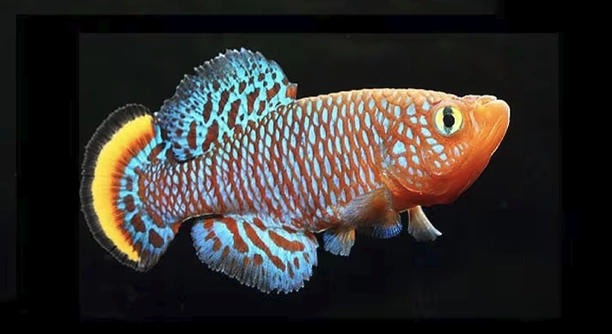
Killifish are small, colorful fish that many people enjoy keeping at home. They have unique behaviors and specific care needs that make them interesting pets. Understanding their social habits helps in creating the right environment for them.
Killifish can live alone without tank mates. They are not schooling fish and do not require companions to thrive. However, some species may benefit from the presence of others for stimulation, but solitary living is generally acceptable.
Knowing how to care for a single killifish properly can improve its health and well-being. This article will explain important factors to consider for keeping them happy alone.
Understanding Killifish Behavior
Killifish are known for their calm and independent nature. Unlike many other fish, they do not school or rely heavily on social interaction. This means they can comfortably live alone without showing signs of stress or loneliness. Some species prefer to explore their environment quietly, spending time hiding among plants or resting near the bottom of the tank. Because of this, killifish are often well-suited for smaller tanks or solitary setups. It is important to provide them with plenty of hiding spots and a peaceful environment to reduce any potential stress. While some killifish may tolerate tank mates, aggression can occur, especially with males. Monitoring their behavior is key when introducing any companions to ensure harmony. Overall, killifish have adaptable social habits, making them an ideal choice for owners who want a low-maintenance, solitary fish.
Killifish prefer stable environments with low stress levels. Providing proper hiding places improves their comfort and health.
When keeping killifish alone, tank conditions play a crucial role in their well-being. A well-maintained tank with clean water and stable temperature helps them thrive. They appreciate planted tanks with gentle filtration to mimic natural habitats. Avoiding aggressive tank mates ensures they remain calm. Feeding them a varied diet of live or frozen foods supports their nutrition. By understanding their behavioral needs and tank preferences, owners can create an ideal home for a single killifish that encourages natural behaviors and longevity.
Tank Mates and Compatibility
Not all killifish get along well with other fish.
Introducing tank mates requires careful consideration of species compatibility and tank size. Killifish can be territorial, especially males, which may lead to fights if housed with similar species or aggressive fish. Small, peaceful species may coexist if the tank is large enough and includes plenty of hiding places. It is best to avoid keeping killifish with very active or large fish, as this can stress them. Observing their behavior closely after introducing new fish is essential to prevent aggression. Some keepers prefer to keep killifish alone to avoid these complications and maintain a stable environment. Choosing the right companions depends on the specific killifish species and their temperament, so researching compatibility is important before adding any tank mates.
Feeding Killifish Alone
Killifish do well with a varied diet even when kept alone.
Providing a balanced diet is essential for the health of a solitary killifish. They prefer live or frozen foods like brine shrimp, daphnia, and bloodworms, which offer important nutrients and encourage natural hunting behavior. Occasionally, high-quality flake or pellet foods can be included, but live food should remain the main part of their diet. Feeding small amounts once or twice daily helps maintain water quality and prevents overfeeding. Watching their eating habits closely ensures they are getting enough food and staying healthy.
A consistent feeding routine combined with a varied diet keeps killifish active and vibrant. Fresh, nutritious food supports their immune system and coloration, making solo care more rewarding and manageable.
Tank Size and Environment
A small tank is often enough for a single killifish.
The ideal tank size for one killifish is around 5 to 10 gallons. This space allows them to swim comfortably while providing room for plants and hiding spots. The tank environment should include live plants and smooth decorations to mimic their natural habitat. Soft substrate and gentle water flow reduce stress. Regular water changes and stable temperature between 72°F and 75°F help maintain a healthy environment. A peaceful setup without aggressive tank mates reduces stress, making solitary living comfortable for the killifish. Proper care of the tank environment directly influences their longevity and behavior.
Signs of Stress in Solo Killifish
Stress in a solitary killifish can be subtle but noticeable.
Common signs include reduced activity, loss of color, and hiding excessively. These behaviors indicate discomfort or poor tank conditions that need to be addressed quickly to maintain the fish’s health.
Preventing Stress in Single Killifish
Maintaining clean water and a stable environment is key to preventing stress. Regular monitoring of water parameters such as pH, ammonia, and nitrate levels ensures a healthy habitat. Avoid sudden changes in temperature or lighting. Providing enough hiding spaces and minimizing disturbances reduces anxiety and promotes natural behavior. Proper feeding and tank care support overall well-being, allowing a killifish to live comfortably alone without unnecessary stress.
Breeding Killifish Alone
Breeding killifish typically requires both male and female fish. Males display vibrant colors to attract females. Without a mate, breeding is not possible, so a single killifish will not reproduce on its own.
FAQ
Can killifish live happily without tank mates?
Yes, killifish can live happily without tank mates. They are not schooling fish and often prefer solitude. A well-maintained environment with proper care and hiding spots can keep a single killifish healthy and comfortable for years.
What is the best tank size for a solo killifish?
A tank of 5 to 10 gallons is generally sufficient for one killifish. This provides enough space for swimming and allows room for plants and decorations that offer hiding places and mimic natural conditions.
Do killifish need special tank mates if kept alone?
No, killifish do not need tank mates to thrive. Some may tolerate peaceful fish, but many prefer being alone. Introducing tank mates can sometimes lead to aggression or stress, especially with males.
How often should I feed a solitary killifish?
Feeding once or twice a day is ideal. Small portions of live or frozen foods like brine shrimp or bloodworms are best, with occasional high-quality flakes or pellets to supplement.
Can killifish live in community tanks?
Killifish can live in community tanks with carefully chosen peaceful species. However, they can be territorial, so tank size and hiding spots must be adequate to reduce conflicts.
What are common signs of stress in killifish?
Signs include loss of color, hiding excessively, reduced activity, and refusal to eat. Stress is often caused by poor water quality, overcrowding, or aggressive tank mates.
How do I maintain good water quality for a single killifish?
Regular water changes, monitoring parameters like pH and ammonia, and gentle filtration are essential. Keeping the tank clean helps reduce stress and promotes health.
Can I breed killifish if I only have one?
No, breeding requires both male and female killifish. A single killifish cannot reproduce on its own.
Is it normal for killifish to be shy when alone?
Yes, killifish are naturally shy and may hide often. Providing plants and caves helps them feel secure and encourages natural behavior.
What temperature should the tank be for a solitary killifish?
The ideal temperature range is between 72°F and 75°F. Keeping the temperature stable is important to avoid stress.
Should I add plants if I keep a killifish alone?
Adding live plants is highly recommended. They offer hiding spots, improve water quality, and make the tank feel more natural and comfortable for the fish.
What should I do if my killifish seems lonely?
Killifish do not generally experience loneliness like some schooling fish. Focus on providing a well-maintained environment with hiding spots and regular feeding to keep them comfortable.
Are there any killifish species that require tank mates?
Most killifish species do well alone. Some may tolerate or benefit from conspecifics, but this varies. Researching the specific species’ social needs is important before adding others.
How long do killifish live when kept alone?
With proper care, killifish can live several years alone, typically 2 to 3 years depending on species and conditions.
Can a single killifish recognize its owner?
Killifish can recognize feeding routines and may respond to the presence of their keeper. They are not as interactive as some other fish but can become accustomed to daily care.
Final Thoughts
Killifish are well-suited to living alone in a properly maintained tank. Their natural behavior does not require constant social interaction, making them a good choice for those who prefer a solitary fish. When kept alone, they tend to be calm and less stressed compared to situations where they compete with other fish for space or resources. Providing a quiet environment with plenty of hiding spots helps killifish feel secure. A well-kept tank with stable water conditions supports their health and encourages natural behavior, allowing them to live comfortably on their own.
Taking care of a single killifish means focusing on water quality, diet, and tank setup. Regular water changes and monitoring parameters such as temperature, pH, and ammonia levels are essential. Killifish benefit from live or frozen foods that meet their nutritional needs and stimulate their natural hunting instincts. Plants and decorations not only make the tank visually pleasing but also provide shelter, which reduces stress. Paying attention to these details ensures a healthy environment that helps the fish thrive, even without tank mates.
While some people enjoy keeping multiple fish together, killifish do not necessarily need companions to be happy. Their independent nature means they do well alone, which can make care simpler. However, it is important to understand the specific species and its behavior, as some may tolerate or prefer company better than others. Overall, solitary killifish can live long and healthy lives when given proper care. Choosing to keep a killifish alone can be rewarding with the right attention to their environment and needs.

Hello,
If you enjoy the content that we create, please consider saying a "Thank You!" by leaving a tip.
Every little bit helps us continue crafting quality advice that supports the health, happiness, and well-being of pets around the world, for pets of all shapes, sizes, and species.
We really appreciate the kindness and support that you show us!