
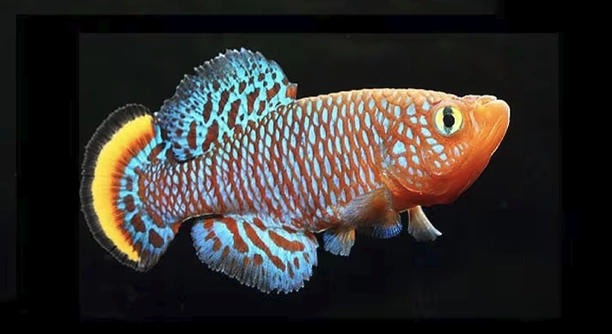
Killifish, commonly known as killis, are popular aquarium fish admired for their vibrant colors and lively behavior. Many hobbyists want to provide the best environment for their killis to thrive. Proper filtration plays a key role in maintaining water quality and fish health.
Killis generally prefer gentle filtration systems that produce low to moderate water flow. Sponge filters and hang-on-back filters with adjustable flow are favored because they provide effective filtration without stressing the fish. Strong currents can cause stress and reduce their activity.
Understanding the right filter type will help create a healthy and comfortable habitat for killis. This knowledge supports better care and ensures these colorful fish remain vibrant and active.
Why Low Flow Filters Are Ideal for Killis
Killifish thrive best in environments that mimic their natural habitats, which often have slow-moving or still waters. Using a low flow filter helps maintain clean water without creating strong currents that can tire or stress killis. Sponge filters are popular because they provide gentle filtration and beneficial bacteria growth, supporting biological filtration. These filters also offer aeration without aggressive water movement, which killis prefer. Hang-on-back filters with adjustable flow settings allow you to control water movement to suit your killis’ needs. Maintaining a stable environment with consistent water quality is crucial since killis are sensitive to rapid changes. Using a filter that produces low flow reduces debris buildup while preserving water conditions, making it easier to care for your fish. Additionally, these filters are quiet, which contributes to a less stressful tank environment. This combination of gentle water flow and effective filtration supports killifish health and longevity in captivity.
Low flow filters ensure killis feel secure and comfortable, encouraging natural behavior and vibrant coloration.
Selecting the right filtration system is a balance between effective water cleaning and maintaining gentle water movement. Overly powerful filters can cause fish to hide or expend too much energy swimming against currents. Sponge filters trap debris and promote beneficial bacteria growth, essential for breaking down waste. Adjustable hang-on-back filters offer flexibility, letting you fine-tune water flow as needed. It is also important to maintain regular filter cleaning and water changes to keep the tank environment stable. By choosing a filter designed for low flow, you help killis thrive, showing off their natural beauty while living in a comfortable, healthy habitat.
Considerations for Tank Size and Filter Placement
Choosing a filter depends partly on tank size and layout. Smaller tanks benefit from compact sponge filters, while larger tanks may need more robust systems with flow control. Filter placement affects water circulation and how waste is removed. Position filters to avoid creating direct currents in resting areas for killis. Proper placement supports gentle water movement throughout the tank and reduces stress on the fish. It also helps keep debris from settling in corners. Matching filter strength to tank volume ensures efficient cleaning without overwhelming the fish. Consider the tank’s decorations and plants, which can impact water flow patterns. An ideal setup balances cleanliness with a peaceful environment suited to killis’ preferences.
Filter size and position directly impact water quality and fish comfort, making thoughtful setup essential for success.
Adjusting filter settings and placement can create a tailored habitat that mimics natural conditions. Killifish prefer hiding spots and calmer areas where they can rest safely. Positioning the filter outflow to create gentle circulation while avoiding strong currents in these zones helps replicate this environment. Regularly monitoring the tank’s water parameters and observing fish behavior will guide further adjustments. Plants and driftwood can also be used strategically to diffuse water flow. By customizing your filtration setup, you support both water cleanliness and your killis’ well-being, encouraging natural behaviors and reducing stress. A balanced filtration approach helps maintain a healthy tank ecosystem, allowing killifish to display their best colors and stay active.
Common Filter Types Used for Killis
Sponge filters and hang-on-back (HOB) filters are the most common choices for killifish tanks. They offer gentle water flow and reliable filtration, which killis need. Canister filters are less common due to their stronger currents.
Sponge filters work well by providing biological filtration through beneficial bacteria that break down waste. They also add mild aeration without creating strong currents. Their simplicity and quiet operation make them a favorite among killifish keepers. Hang-on-back filters are convenient and effective, especially when their flow can be adjusted. They help maintain water clarity and quality while keeping the environment calm.
Canister filters, while powerful, can sometimes create excessive water movement for killis. Using a flow control valve or placing the outflow near the surface can help reduce current strength. However, these filters require more maintenance and careful setup. Overall, sponge and hang-on-back filters remain the preferred options due to their balance of filtration and gentle water flow suitable for killifish.
Maintenance Tips for Killifish Filters
Regular cleaning of filters ensures optimal performance without stressing your killis. Sponge filters should be rinsed in tank water every few weeks to preserve beneficial bacteria. Avoid using tap water to prevent killing these helpful microbes.
Hang-on-back filters require more thorough cleaning but should still maintain some bacteria inside. Clean mechanical parts regularly and replace filter media as recommended, but never all at once. This prevents sudden drops in water quality that can harm fish. Keeping the filter balanced ensures clear water and a healthy environment.
Monitoring filter function helps spot problems early, such as clogging or flow issues. Adjustments to flow rate might be necessary if killis appear stressed. Maintaining filters properly contributes to stable tank conditions, which is essential for killifish health and longevity. Consistent maintenance keeps both the fish and their habitat thriving.
Choosing Filters for Different Killis
Different killifish species may prefer slightly varied water flow conditions. Smaller or delicate species often need very gentle filtration, while some hardier killis can handle moderate flow. Matching the filter to the species ensures their comfort and reduces stress.
Adjusting the flow rate is key. Even with the same filter type, controlling water movement helps meet the needs of various killis. Testing different setups can reveal the best balance for your specific fish.
Avoiding Stress from Strong Currents
Strong water currents can exhaust killifish and cause hiding or erratic swimming. Using filters with adjustable flow or adding flow reducers helps prevent this. Creating calm areas in the tank with plants or decorations can further reduce stress.
Filter Noise and Killis Sensitivity
Killifish are sensitive to noise and vibrations from equipment. Choosing quiet filters like sponge filters helps maintain a peaceful environment. Loud or vibrating filters can stress fish, affecting their health and behavior.
Signs Your Filter Needs Attention
If water clarity drops or fish behave unusually, your filter might need cleaning or adjustment. Observing these signs early helps maintain a healthy tank environment for killifish.
FAQ
What type of filter is best for killifish tanks?
Sponge filters and hang-on-back filters with adjustable flow are generally the best choices. They provide gentle water movement, which killifish prefer, while maintaining good biological filtration. Sponge filters also encourage beneficial bacteria growth without creating strong currents, making them very suitable for killis.
Can I use a canister filter for killifish?
Canister filters can work but often produce stronger currents that may stress killifish. If using a canister filter, it’s important to control the flow rate or diffuse the outflow to reduce water movement. Proper placement and adjustments are necessary to keep killis comfortable.
How often should I clean the filter in my killifish tank?
Filter cleaning depends on the type used. Sponge filters should be rinsed every few weeks in tank water to keep beneficial bacteria intact. Hang-on-back filters need mechanical parts cleaned regularly and filter media replaced according to the manufacturer’s instructions, but never all at once. Over-cleaning can disrupt biological balance.
Is it okay to turn off the filter when doing tank maintenance?
Yes, briefly turning off the filter during water changes or cleaning is fine. However, keep the downtime short to avoid oxygen depletion. It’s best to keep the filter running as much as possible since killifish rely on stable water conditions.
Do killifish need strong water flow?
No, killifish prefer slow to moderate water flow. Strong currents can cause stress and force them to swim excessively, which is unhealthy. A gentle flow helps keep the water clean without overwhelming the fish.
Can filter noise affect killifish?
Yes, killifish are sensitive to noise and vibrations from equipment. Loud or vibrating filters can cause stress and negatively impact their behavior. Sponge filters are usually quiet and better suited to killifish tanks.
How do I know if the filter flow is too strong for my killifish?
Signs include fish hiding more often, struggling to swim, or showing unusual restlessness. Observing your killis’ behavior after installing a filter helps determine if adjustments are needed. Reducing flow or repositioning the outflow often solves these issues.
Should I use multiple filters in a killifish tank?
Multiple filters are not usually necessary unless the tank is very large or heavily stocked. Using one appropriately sized filter with gentle flow is generally enough to maintain water quality for killifish.
Can plants help with filtration in a killifish tank?
Yes, live plants assist filtration by absorbing nitrates and providing shelter, which reduces stress for killifish. Plants also help diffuse water flow, creating calmer areas that killis prefer.
What happens if the filter stops working suddenly?
If the filter stops, waste buildup and oxygen levels can quickly become problematic. It’s important to have a backup plan, such as an air pump or temporary water changes, until the filter is fixed or replaced.
Are mechanical or biological filters better for killifish?
Both are important. Mechanical filtration removes debris, while biological filtration breaks down harmful waste. Sponge filters combine these functions, making them very effective for killifish tanks.
How do I maintain beneficial bacteria in my filter?
Avoid cleaning filter media with tap water. Use tank water to rinse sponges or bio-media gently. Also, do not replace all filter media at once to preserve bacterial colonies essential for breaking down toxins.
Can over-filtering harm killifish?
Over-filtering mainly causes strong water flow, which stresses killifish. The filtration capacity should match tank size, focusing on gentle flow rather than maximum filtration power.
Is it necessary to have an air stone with the filter?
Not always. Many filters provide sufficient aeration. However, adding an air stone can improve oxygen levels and water circulation, especially in densely planted tanks or during warm weather.
How do I adjust the filter flow if it is too strong?
Many hang-on-back filters have adjustable flow controls. For sponge filters, you can reduce air pump output or add tubing valves. Redirecting outflow or using deflectors can also soften currents for killifish comfort.
What should I do if my killifish are constantly hiding near the filter?
This may indicate stress caused by water flow or noise. Try reducing the flow rate, repositioning the filter, or adding plants and decorations to create hiding spots away from strong currents.
Can filter upgrades improve killifish health?
Upgrading to a filter with better flow control or quieter operation can reduce stress and improve water quality. This supports killifish health by providing a stable and comfortable environment.
How do I choose a filter for a planted killifish tank?
Choose filters that produce gentle flow to avoid disturbing plants. Sponge filters are excellent as they do not uproot plants and provide good biological filtration. Hang-on-back filters with flow adjustment also work well.
Are there specific brands recommended for killifish filters?
Many hobbyists prefer established brands like AquaClear for hang-on-back filters or Fluval and Eheim for canisters with adjustable flow. Sponge filters from brands like Hydro-Sponge are popular. Quality and flow adjustability are the key factors.
Can filter media type affect killifish health?
Yes, using high-quality biological media supports beneficial bacteria growth. Avoid chemical media that might alter water chemistry unless specifically needed to address water issues. Proper media keeps the environment safe for killifish.
Choosing the right filter for killifish is important to keep them healthy and comfortable. Killis do best with gentle water flow, so filters that produce strong currents are not suitable. Sponge filters and hang-on-back filters with adjustable flow rates are often the best options. These filters clean the water effectively while creating an environment that matches the natural conditions killis prefer. By using the right filter, you help maintain stable water quality, which is essential for the fish’s wellbeing.
Regular filter maintenance is also key to a healthy killifish tank. Cleaning sponge filters in tank water preserves beneficial bacteria that break down waste, while hang-on-back filters need their mechanical parts cleaned and media replaced carefully. Avoid over-cleaning or replacing all filter media at once, as this can upset the tank’s balance. Observing your killifish’s behavior will give clues about how well the filtration system is working. If they seem stressed or hide often, the filter flow might be too strong or noisy. Adjusting the flow or repositioning the filter can improve their comfort.
Overall, understanding the needs of killifish when it comes to filtration helps create a thriving tank environment. Matching the filter type and flow to the species, maintaining the filter properly, and monitoring the tank conditions are essential steps. A well-chosen and maintained filter supports clear water and stable chemistry, which promotes healthy fish. This approach makes caring for killifish easier and more rewarding, allowing their natural beauty and lively personalities to shine.

Hello,
If you enjoy the content that we create, please consider saying a "Thank You!" by leaving a tip.
Every little bit helps us continue crafting quality advice that supports the health, happiness, and well-being of pets around the world, for pets of all shapes, sizes, and species.
We really appreciate the kindness and support that you show us!