
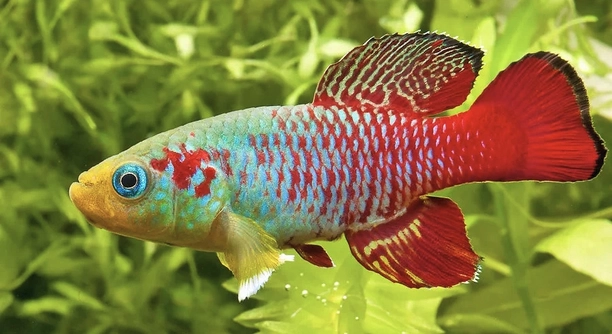
Killi fish are small, colorful creatures often kept in home aquariums. Watching them swim can be relaxing, but sometimes they chase each other, which might seem confusing or concerning. This behavior is common and has specific reasons behind it.
Killi fish chase each other mainly due to territorial instincts and mating behaviors. Males often pursue rivals to establish dominance or court females, while chasing helps maintain social hierarchy and breeding opportunities within their environment.
Understanding why killi fish behave this way can improve how you care for them. It also helps create a peaceful tank environment where these lively fish can thrive happily.
Why Killi Fish Chase: Territorial Behavior
Killi fish are naturally territorial, especially males. When they chase each other, it is often about defending their space. In the wild, this behavior helps them protect their shelter and food sources from intruders. In a tank, the same instincts remain strong. Males may chase rivals to show dominance and keep control over their chosen area. This chasing is usually quick and repeated, serving as a warning rather than a real fight. Female killi fish can also chase, but it is less common and mostly related to protecting their eggs or young. Understanding this helps when setting up an aquarium. Providing enough space and hiding spots can reduce chasing and stress among your fish. It also encourages healthier interactions and lowers the chance of injury. Observing your killi fish during these moments shows their natural behavior and can guide how you manage their environment to keep them calm.
Territorial chasing is a natural part of killi fish social life. It helps keep order and balance in their group.
Creating a well-structured tank with plants and decorations can ease tension. Giving fish room to claim their own territory reduces constant chasing. If space is limited, separating aggressive fish may be necessary. Adjusting the tank setup according to their behavior leads to a more peaceful and healthier aquarium.
The Role of Mating in Killi Fish Chasing
During breeding season, chasing behavior becomes more frequent and intense. Male killi fish chase females as part of their courtship ritual. This pursuit is a way to show strength and fitness. Males often display bright colors and swim rapidly while chasing to attract females’ attention. Females may respond by hiding or swimming away to test the male’s persistence. This interaction helps the female decide if the male is a good mate. Additionally, males sometimes chase away other males to reduce competition. This ensures that only the strongest male gets to mate. The chasing is less about harm and more about communication during this time. Knowing this makes it easier to understand the sudden changes in behavior during breeding. It also reminds us that chasing is part of their natural life cycle and not always a sign of trouble. Adjusting care during breeding season helps support their needs and reduces stress in the aquarium.
How Tank Size Affects Killi Fish Behavior
Small tanks can increase chasing because fish feel cramped. Limited space makes it harder for them to avoid each other, raising tension. Bigger tanks give killi fish more room to swim and hide, reducing aggressive behavior and stress.
In a cramped environment, killi fish often feel threatened, leading to more frequent chasing and fighting. They need space to establish their own territory and escape from rivals. Without enough room, chasing can become constant, which harms the fish’s health and well-being. Providing at least 10 gallons or more per fish group helps them feel secure and lowers aggression. Adding plants and decorations can create natural barriers, giving fish places to retreat and break the line of sight during chases.
Tank size is a simple but important factor in managing chasing. It directly affects how much stress your fish experience and how peaceful your aquarium stays. Giving killi fish enough space is one of the best ways to encourage calm behavior and healthy social interactions.
Food and Chasing Behavior
Food availability can impact chasing behavior among killi fish. When food is limited or unevenly distributed, competition increases. Fish chase each other to get access to feeding spots and defend their meals. This behavior can become aggressive if feeding is not managed well.
Feeding your killi fish small amounts multiple times a day helps reduce competition and chasing. Spreading food evenly across the tank ensures all fish get their share without having to fight. Overfeeding can also cause problems, leading to water quality issues that stress fish and increase chasing. A balanced feeding routine supports both health and social harmony. Monitoring how your fish behave during feeding times gives clues about whether your feeding strategy needs adjustment. When food needs are met, chasing related to competition usually decreases, making your tank a calmer place.
Signs of Stress from Chasing
Constant chasing can cause stress in killi fish. Signs include hiding more often, loss of color, and reduced appetite. Watching for these helps you know when the behavior is harmful.
Stress weakens their immune system and can lead to illness. It’s important to act quickly if these signs appear, adjusting the tank environment or separating aggressive fish.
How to Reduce Chasing in Your Tank
Adding plenty of plants and decorations breaks up open spaces, giving fish places to hide. This reduces line of sight and lowers chasing. Keeping a balanced number of males and females also helps keep peace, as too many males increase aggression. Regular tank maintenance and good water quality support calmer fish behavior. Changing the environment occasionally can reduce boredom and aggression, encouraging natural and less stressful interactions between killi fish.
When to Separate Aggressive Fish
If chasing turns into constant fighting, separation is necessary. Aggressive fish can injure others and cause long-term stress. Separating them keeps all fish safe and reduces tension in the tank.
FAQ
Why do killi fish chase each other so much?
Killi fish chase mainly because of territorial and mating instincts. Males often chase rivals to protect their space and show dominance. During breeding, chasing is part of courtship and competition for mates. It’s a natural behavior that helps maintain social order and successful reproduction.
Is chasing harmful to killi fish?
Chasing itself is usually not harmful if it is brief and occasional. However, constant or aggressive chasing can cause stress, injuries, and weaken the fish’s immune system. When chasing becomes frequent or violent, it is a sign that the tank environment may need adjustment.
How can I reduce chasing in my killi fish tank?
Increasing tank size and adding plants or decorations helps reduce chasing by giving fish places to hide and claim territory. Keeping a proper ratio of males to females also lowers aggression. Feeding fish multiple small meals and spreading food evenly prevents competition-related chasing.
Can chasing mean my killi fish are sick?
Chasing is rarely a direct sign of illness but stress from constant chasing can weaken fish and make them prone to disease. If chasing is linked with unusual behavior like loss of appetite or color fading, it’s worth checking water quality and fish health.
Should I separate fish that chase a lot?
Yes, if chasing leads to injuries or continuous stress, separating aggressive fish is important. Isolation protects all fish and helps restore peace in the tank. Sometimes a temporary separation followed by gradual reintroduction works best.
Does tank size really matter for chasing behavior?
Tank size plays a big role. Smaller tanks limit space and increase competition, causing more chasing. Larger tanks give fish room to escape and set boundaries, reducing stress and aggression. Aim for at least 10 gallons or more per group.
Are all killi fish aggressive chasers?
Not all killi fish chase aggressively. Behavior varies by species and individual temperament. Some species are more territorial, while others live more peacefully in groups. Observing your specific fish helps understand their behavior better.
How does feeding affect chasing?
Uneven or limited food can cause competition, increasing chasing during feeding times. Feeding small amounts several times a day and spreading food evenly reduces this. Overfeeding can harm water quality and stress fish, so balanced feeding is key.
Do female killi fish chase each other too?
Females sometimes chase, usually to protect eggs or young fish. Their chasing is generally less intense and less frequent than males’ territorial or mating chases. Female chasing is more about defense than dominance.
Will chasing stop after breeding season?
Chasing often decreases after breeding season because mating drives lessen. However, territorial chasing can continue year-round. Adjusting tank conditions and fish numbers helps keep chasing manageable at all times.
Can adding more fish help reduce chasing?
Adding more fish can spread out aggression but may also increase competition if the tank is small. It’s important to balance numbers with tank size and provide plenty of hiding spaces to avoid stressing the fish.
How do I know if chasing is normal or a problem?
Normal chasing is brief and does not cause injury or stress signs like hiding or loss of appetite. If chasing is constant, aggressive, or causing harm, it is a problem needing action such as tank changes or separation of fish.
What role do decorations play in reducing chasing?
Decorations create barriers and hiding spots that break the fish’s line of sight. This reduces triggers for chasing and allows fish to claim smaller territories. Plants, rocks, and caves are effective at calming aggressive behavior.
Is chasing more common in newly introduced fish?
Yes, new fish may be chased as established fish defend their territory. Gradual introductions and rearranging tank decorations can reduce this initial aggression. Patience helps new fish settle without too much stress.
Can changing water conditions cause more chasing?
Poor water quality stresses fish and can increase chasing as fish become more defensive or irritable. Maintaining clean water with proper parameters helps keep fish calm and chasing minimal.
Are there any signs that chasing has caused injury?
Look for torn fins, scratches, or pale patches on fish. These are signs chasing has become harmful and requires immediate attention to prevent infection and reduce aggression.
Does light intensity affect chasing?
Bright or sudden changes in light can stress fish and increase chasing. Soft, consistent lighting helps keep fish calm and reduces aggressive behavior.
How long does chasing last during breeding?
Breeding chasing can last several days to weeks. It’s intense but usually temporary. Providing enough space and hiding spots helps fish cope during this period.
Can I use plants to calm aggressive fish?
Live or artificial plants offer shelter and reduce visibility between fish. This calming effect lowers chasing and creates a more natural environment for killi fish.
What should I do if chasing escalates suddenly?
Check water quality, tank size, and fish ratios first. Increase hiding spots and consider separating aggressive individuals. Sudden escalation often signals stress or changes in the tank environment.
This FAQ covers many common concerns about killi fish chasing behavior, helping you understand and manage your aquarium better.
Killi fish chasing each other is a natural part of their behavior. It usually comes from their instincts to protect territory or to find a mate. While this chasing can look intense, it is often just a way for the fish to communicate and keep order within their group. Understanding this helps in seeing the behavior as normal rather than a problem. However, it is important to watch how often and how hard they chase, because too much chasing can cause stress or harm to the fish.
Creating the right tank environment can make a big difference in how much chasing happens. Giving killi fish enough space to swim and hide helps reduce tension between them. Adding plants, rocks, and other decorations breaks up open areas and gives fish places to escape. Feeding fish well and spreading food around the tank also lowers competition during mealtime. These simple steps can calm the fish and make chasing less frequent or aggressive. Paying attention to the balance between males and females in the tank is also important, as too many males may lead to more chasing and fights.
If chasing becomes constant or leads to injuries, it is necessary to take action. Separating aggressive fish or adjusting the tank setup can help protect all the fish and improve their quality of life. Keeping the water clean and maintaining good tank conditions support fish health and reduce stress. By understanding why killi fish chase and how to manage it, you can create a peaceful and healthy home for them. This helps both the fish and you enjoy a better aquarium experience.

Hello,
If you enjoy the content that we create, please consider saying a "Thank You!" by leaving a tip.
Every little bit helps us continue crafting quality advice that supports the health, happiness, and well-being of pets around the world, for pets of all shapes, sizes, and species.
We really appreciate the kindness and support that you show us!