
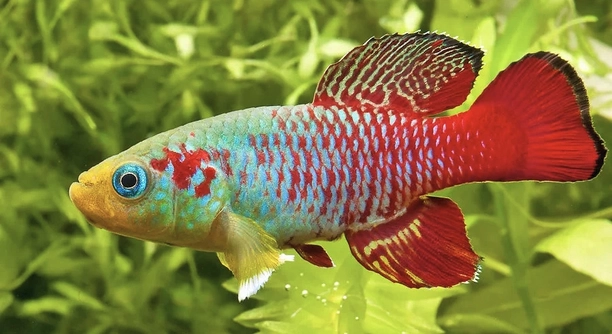
Are your killifish showing signs of stress or illness after being introduced to your home aquarium filled with tap water?
Killifish can adapt to tap water, but only if it has been properly treated to remove chlorine, chloramine, and heavy metals. Sudden exposure to untreated tap water can be harmful, impacting their health and long-term survival.
Learning how to safely prepare tap water is essential to creating a stable, healthy environment for your killifish to thrive.
Understanding Tap Water and Killifish Needs
Tap water often contains chemicals that can be dangerous to killifish. Chlorine, chloramine, and heavy metals are commonly present and can irritate or damage their gills, affecting their ability to breathe. Even trace amounts may weaken their immune systems. Killifish, though hardy, need specific water conditions to thrive. Soft, slightly acidic water is ideal, and untreated tap water is usually too harsh for them. Before adding tap water to their tank, it’s important to treat it with a water conditioner that neutralizes harmful substances. Testing the water’s pH, hardness, and temperature helps match it to the needs of the specific killifish species. Some varieties are more sensitive than others, especially wild-caught fish. Failing to adapt the water properly can lead to stress or death. While killifish can live in a variety of water types, proper conditioning of tap water is non-negotiable for their safety and comfort.
Tap water can be used if it’s treated correctly. Skipping this step may cause serious health issues for your killifish.
The key is understanding what’s in your local water supply. Some areas have high levels of minerals or additives. A reliable test kit can help determine if extra adjustments are needed beyond basic conditioning, especially for sensitive species.
Making Tap Water Safe for Killifish
Conditioning tap water is the most important step before introducing it to your killifish tank.
Use a commercial water conditioner that removes chlorine and chloramine. Most conditioners also bind heavy metals, making them harmless. After treating the water, let it sit for a few minutes to ensure the chemicals are neutralized. Next, match the water temperature to the tank’s conditions. Killifish prefer temperatures between 72°F and 75°F. A digital thermometer can help with accuracy. If your tap water is hard, consider using reverse osmosis (RO) water mixed with treated tap water to reach the right softness. Test the water for pH and general hardness (GH). Most killifish do well in a pH range of 6.0 to 7.0. Once these steps are completed, introduce the water slowly into the tank. A sudden change in water conditions can cause shock, so gradual mixing is safest. Doing this with each water change helps your fish remain stable, healthy, and stress-free in their environment.
Monitoring Water Quality After Conditioning
Once the water is conditioned, regular monitoring is necessary to keep your killifish healthy. Water quality can shift over time due to feeding, waste buildup, and evaporation, even if the water started out safe.
Use test kits weekly to check pH, ammonia, nitrite, and nitrate levels. Ammonia and nitrite should always be at zero, while nitrates should stay below 20 ppm. Fluctuations in pH can also stress your fish, so maintaining a consistent level is key. Avoid overfeeding, as uneaten food breaks down and harms water quality. Partial water changes of about 25% weekly help keep the tank stable and safe. Always treat the new water before adding it. Keep a log of test results to track patterns and spot problems early. Stability is more important than chasing perfect numbers—your fish will do better with consistent conditions than frequent changes.
If your water readings start to drift, adjust slowly. Sudden changes in pH or temperature can be worse than slightly imperfect water. If ammonia rises, check your filter and reduce feeding. For hard water, mixing in a bit more RO water may help soften it. Be patient and consistent. Your killifish will respond best to small, steady corrections.
Adapting to Different Killifish Species
Not all killifish have the same tolerance for water conditions. Some are very sensitive, especially wild species, while others bred in captivity may adjust more easily.
Species like Aphyosemion and Fundulopanchax prefer soft, slightly acidic water, and are less tolerant of mineral-heavy tap water. On the other hand, Nothobranchius species may accept wider pH and hardness ranges. Always research your specific species before setting up a tank. Wild-caught fish are more vulnerable to poor water quality, so use treated water with more care. Keeping your fish in conditions that mirror their native habitat leads to better color, health, and lifespan.
If you’re keeping multiple species or have plans to breed them, you may need to create separate tanks with different water conditions. This doesn’t need to be complicated. Use containers to pre-mix water to the needed parameters. RO systems or peat moss can help soften water naturally. Stable temperatures, consistent lighting, and proper feeding are just as important as water chemistry. Once you find the right setup for your species, you’ll notice improved activity and fewer health issues. Being consistent and gentle with changes keeps your killifish comfortable and thriving.
Common Mistakes to Avoid
Using untreated tap water directly in the tank is a common issue. Even small amounts of chlorine or chloramine can cause stress, gill damage, or illness in killifish. Always use a conditioner before adding tap water to the aquarium.
Another mistake is inconsistent water changes. Skipping weekly maintenance can lead to ammonia spikes or rising nitrates. These changes are hard on your killifish. Stick to a regular schedule and always test your water after each change to ensure stability.
Tips for Long-Term Success
Keep a routine. Conditioning tap water before every water change, testing parameters weekly, and monitoring temperature will reduce stress for your fish. Don’t make sudden changes unless absolutely necessary. Consistency will help maintain strong immunity and natural behavior in your killifish. Feed them quality food in small amounts and avoid overcrowding the tank. Clean filters monthly, but avoid washing them with tap water—use tank water to preserve beneficial bacteria. Quarantine new fish before adding them to the main tank. These small steps make a big difference. Once your setup is stable, keeping your killifish healthy becomes much easier and more enjoyable.
When to Use Alternatives
If your tap water is too hard or has high levels of additives even after treatment, switching to RO water can help.
FAQ
Can killifish live in untreated tap water if it’s only for a short time?
Even for short periods, untreated tap water is risky. Chlorine and chloramine can cause immediate stress or damage to gills, even during brief exposure. It’s not worth taking the chance. Always use a water conditioner, no matter how short the exposure might be. If you’re in an emergency, adding a fast-acting conditioner can help protect them while you handle the rest.
Do all water conditioners work the same way?
Most commercial water conditioners remove chlorine, chloramine, and neutralize heavy metals. Some also detoxify ammonia, which can be helpful if you’re cycling a tank. However, not all brands are equal in strength or concentration. Always follow the dosage instructions on the label, and check whether it’s designed to treat chloramine specifically, since that’s harder to remove than chlorine alone.
How can I tell if my tap water is safe for killifish?
Testing is the only reliable way. Use liquid test kits to measure pH, general hardness (GH), carbonate hardness (KH), chlorine, and chloramine. Your killifish’s preferred range will depend on its species. Local water reports may give a general overview, but home testing gives more accurate and current results. If the results are outside safe ranges, treat accordingly.
What pH is best for most killifish?
Most species thrive in a pH between 6.0 and 7.0. Some captive-bred varieties may tolerate slightly wider ranges. Wild-caught fish are more sensitive and often need softer, more acidic conditions. Test your water regularly and adjust slowly. Using peat moss or almond leaves can naturally lower pH and soften the water without adding chemicals.
Can I mix tap water with RO water for killifish?
Yes, mixing treated tap water with RO water is a common way to reach ideal conditions. RO water lacks minerals, so blending it with tap water gives you control over hardness and pH. This is especially useful if your local tap water is too hard or alkaline for your fish’s needs. Always test the blend before adding it to the tank.
How do I safely change water in a killifish tank?
Change about 20–25% of the tank water weekly. Treat new tap water with conditioner, match the temperature, and pour it in slowly. A sudden change in temperature or pH can shock your fish. If you’re unsure, replace smaller amounts more frequently to minimize stress.
Is bottled water a good option for killifish tanks?
Bottled water isn’t ideal. Many brands lack minerals or are processed in ways that make them unsuitable for fish. Some may still contain chlorine or be too soft. If you must use bottled water, choose spring water, test it first, and avoid distilled or purified types, as they can disrupt mineral balance.
How long should I wait after treating tap water before adding it to the tank?
Most conditioners work instantly or within a few minutes. Always check the product instructions. While it’s tempting to rush, waiting a few minutes gives the treatment time to fully neutralize harmful chemicals. This step helps prevent issues from residual chlorine or chloramine that could still affect your fish.
Can killifish adapt to hard water over time?
Some captive-bred killifish may gradually adjust to harder water, but this isn’t always ideal. Long-term exposure to improper water conditions can reduce lifespan and weaken the immune system. If adaptation is necessary, do it very slowly and observe their behavior. Breeding success and coloration are also affected by water chemistry.
Why do my killifish look stressed after a water change?
Stress during or after a water change usually comes from temperature shifts, pH swings, or leftover chlorine. Check that the new water matches the tank’s conditions before adding it. Always use a dechlorinator and pour the water in gently. Gradual changes reduce the risk of stress or shock.
What signs show that the water isn’t safe for my killifish?
Look for gasping at the surface, faded color, clamped fins, or hiding more than usual. These signs often point to poor water quality. Test the water right away and check for ammonia, nitrite, pH swings, or temperature drops. Correct issues gradually and monitor your fish closely for improvement.
Do killifish need a specific temperature range tied to water quality?
Yes. Most killifish prefer 72°F to 75°F. Warmer or cooler water affects how chemicals dissolve and how your fish metabolizes food. Sudden changes in temperature can also impact pH and oxygen levels. Always heat or cool new water to match your tank before adding it.
Should I use water from a water softener system?
Avoid using water softened by a home softener system. These systems often replace calcium and magnesium with sodium, which isn’t safe for killifish. Instead, use untreated tap water and soften it naturally with RO water, peat moss, or driftwood to create safer, stable conditions.
How often should I test my tap water if I’ve been using it for a while?
Even if your tap water has been stable, test it at least once a month. Municipal supplies can change without notice due to seasonal shifts or maintenance work. Regular testing helps catch those changes early before they affect your killifish. Always test if your fish act differently than usual.
Is it okay to top off evaporated water without treating it?
No. When water evaporates, only pure water leaves—the minerals and chemicals stay behind. Topping off with untreated tap water adds more of those unwanted substances. Always treat even small amounts of top-off water to keep conditions stable. Over time, neglecting this can create buildup and lead to poor water quality.
Final Thoughts
Keeping killifish healthy in tap water is possible, but it requires care and consistency. Tap water often contains substances that are harmful to fish, like chlorine, chloramine, and heavy metals. These chemicals can cause stress or illness, even if your fish seem fine at first. Using a water conditioner is a basic but important step before adding any tap water to your tank. Beyond that, it’s helpful to test your water regularly to make sure the pH, hardness, and temperature stay within a safe range for your specific killifish species. Some fish may adjust more easily than others, but stable, well-treated water is always the safer option.
Many problems come from skipping simple steps like conditioning new water or testing for changes. Small mistakes, like using water from a softener or adding untested bottled water, can build up over time and make your fish sick. Wild-caught killifish and certain sensitive species need even more attention to detail. Using tools like test kits, digital thermometers, and water conditioners might seem like extra work at first, but they help you avoid stress later. Consistent care leads to stronger, brighter fish and reduces the chance of disease or unexpected loss. It also makes everyday tank maintenance easier because you know what to expect from your setup.
Killifish are beautiful, interesting fish that do well when their environment is managed carefully. With the right steps, tap water can be a safe and lasting option for their care. Treating the water, checking conditions, and making small changes slowly are all key parts of keeping things stable. If your tap water is too hard or doesn’t meet the needs of your fish, there are ways to adjust it using RO water or natural softeners. Over time, you’ll learn what works best for your fish and your local water supply. The goal isn’t to chase perfect numbers but to create a clean, stable, and healthy home where your killifish can live comfortably. With attention and routine, adapting tap water to their needs becomes a simple, effective part of fishkeeping.

Hello,
If you enjoy the content that we create, please consider saying a "Thank You!" by leaving a tip.
Every little bit helps us continue crafting quality advice that supports the health, happiness, and well-being of pets around the world, for pets of all shapes, sizes, and species.
We really appreciate the kindness and support that you show us!