
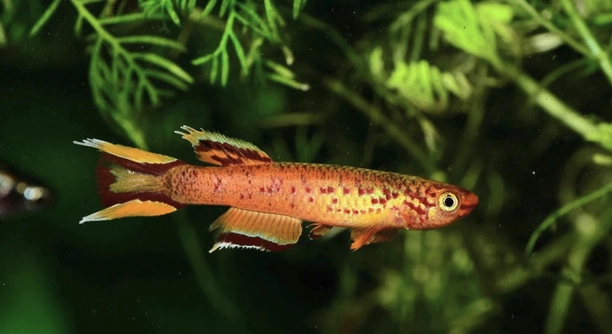
Killi fish are popular small aquarium pets known for their vibrant colors and active behavior. Many owners find it interesting to observe their daily habits, including how they rest. Understanding when killi fish are sleeping can help maintain their well-being.
Killi fish sleep by remaining mostly still near the bottom or in sheltered areas of the tank, often with reduced movement and faint breathing patterns. Their eyes may appear partially closed or less alert during these rest periods.
Recognizing these subtle signs can improve care for your killi fish and ensure their environment supports healthy rest habits.
How Killi Fish Behavior Changes During Sleep
Killi fish become noticeably less active when they sleep. During these periods, they tend to stay close to the bottom or hide among plants and decorations. Their fins move gently, and breathing slows down, showing that they are resting. Unlike some fish, killi fish do not develop a specific sleeping position but instead remain in a calm, stable spot. Their eyes often appear half-closed or less responsive to movement around the tank. These signs indicate they are not fully awake. It is important not to disturb them during this time, as sleep helps them recover energy and maintain good health. Light levels also affect their sleep; they usually rest more when the tank lights are dim or off. Ensuring a consistent day-night cycle supports proper rest. Observing these patterns can help in recognizing when your killi fish are sleeping and when they are active.
Maintaining a quiet environment during their sleep times helps killi fish feel safe and secure, reducing stress.
Rest is essential for killi fish to stay healthy and active. When they sleep, their bodies repair and regenerate cells, which supports their immune system and overall function. Lack of proper rest can lead to lethargy or illness. Watching for their quiet moments helps identify normal sleep versus potential health issues. Keeping a stable tank temperature and clean water also encourages good sleep habits. By knowing how your killi fish behaves while resting, you can create a peaceful environment that respects their natural rhythms and promotes longevity.
Identifying Sleep Without Mistaking Illness
Recognizing sleep signs in killi fish prevents unnecessary worry about their health. Sleep behavior includes reduced movement and slower breathing but does not resemble symptoms of disease. Illness often shows additional signs such as erratic swimming, discoloration, or lack of appetite. Healthy sleeping fish maintain a steady position without sudden twitching or gasping for air. They usually return to normal activity after resting. Differentiating between sleep and sickness is important for proper care.
Observing regular rest cycles helps distinguish normal sleep from problematic symptoms.
When killi fish show lethargy beyond typical sleep behavior, it may indicate stress or illness. Poor water quality, improper temperature, or overcrowding can cause distress that mimics sleepiness. Signs such as clamped fins, faded colors, or surface gasping should prompt water testing and tank maintenance. Offering a balanced diet and stable environment supports recovery. Careful monitoring over time will reveal if behavior changes are temporary or need intervention. Understanding sleep patterns alongside these warning signs helps ensure the well-being of your killi fish.
Common Places Where Killi Fish Sleep
Killi fish usually sleep in sheltered spots. They prefer areas with plants, rocks, or decorations where they feel protected. Often, they rest near the bottom or close to the tank’s edges where there is less light and activity.
These fish look for quiet, dim spaces when resting. Dense plants provide cover and make them feel safe from potential threats. Smooth surfaces or shaded corners help reduce disturbances. Killi fish often choose spots that allow them to stay still and conserve energy. Observing their preferred sleep locations helps you understand their comfort needs and adjust the tank setup accordingly.
Tank conditions influence where killi fish settle to sleep. If the environment is too bright or noisy, they may hide more frequently or show signs of stress. Creating calm areas with appropriate hiding spots encourages natural rest behaviors. Maintaining good water quality and temperature also ensures these spots remain inviting for your fish.
How Lighting Affects Killi Fish Sleep
Lighting plays a key role in regulating killi fish sleep patterns. They respond to changes in light by adjusting their activity levels and rest periods. A consistent day-night cycle helps maintain normal behavior.
Too much or constant light can disrupt their sleep, causing stress and fatigue. Dimming the lights gradually in the evening signals to the fish that it is time to rest. Using timers for aquarium lighting helps create a reliable schedule, mimicking natural conditions. This routine supports healthy sleep cycles and reduces anxiety. Bright lights during the day encourage activity, while low light or darkness at night promotes restful sleep. Adjusting lighting based on your fish’s responses ensures their comfort and well-being.
Signs That Killi Fish Are Sleeping
Killi fish reduce movement and often stay still when sleeping. Their breathing slows, and their fins may gently flutter or remain almost motionless. Their eyes can appear partially closed or less alert during rest.
They usually choose quiet, shaded areas to sleep. These places provide safety and comfort, allowing them to rest without disturbance.
How Tank Noise Affects Sleep
Loud noises or vibrations can disturb killi fish while they sleep. Continuous noise may cause stress and interrupt their rest cycles, affecting their health and behavior.
Why Consistent Routine Matters
Killi fish thrive on a stable environment. Consistent feeding times, lighting schedules, and minimal disturbances help maintain regular sleep patterns, supporting their overall well-being.
Monitoring Sleep to Ensure Health
Regular observation of sleep behaviors helps detect changes in health. Sudden restlessness or inactivity can indicate issues that need attention.
How can I tell if my killi fish is sleeping or sick?
Sleep in killi fish is marked by stillness, slow breathing, and reduced responsiveness. They remain mostly motionless, often in shaded or sheltered spots, with eyes partially closed. Illness, however, involves erratic movements, discoloration, clamped fins, or loss of appetite. If your fish shows these symptoms alongside inactivity, it likely needs attention rather than rest.
What are the best places in the tank for killi fish to sleep?
Killi fish prefer sleeping near the tank bottom or among plants and decorations that offer cover. They seek quiet, dimly lit areas where they feel secure. Providing dense vegetation or smooth surfaces helps them settle comfortably during rest periods.
How much light do killi fish need to sleep properly?
Killi fish need a regular day-night light cycle to maintain healthy sleep patterns. Bright light during the day encourages activity, while dimming or turning off lights at night signals rest time. Using a timer to keep consistent lighting helps prevent stress and supports natural rhythms.
Is it okay to disturb a sleeping killi fish?
Disturbing a sleeping killi fish can cause stress and disrupt its natural rest cycle. It’s best to avoid tapping the glass or moving decorations near their sleeping spots. Allowing them to rest undisturbed promotes better health and vitality.
Can noise affect my killi fish’s sleep?
Yes, loud noises or vibrations can disturb killi fish and interrupt their sleep. A calm, quiet environment helps them rest peacefully. Minimizing external noise near the aquarium supports their natural behavior and reduces stress.
How often do killi fish sleep?
Killi fish sleep in multiple short periods throughout the day and night, usually during low-light hours. Their rest is spread out rather than in one long session, which helps them conserve energy and stay alert to their environment.
What happens if my killi fish doesn’t get enough sleep?
Lack of sufficient rest can weaken a killi fish’s immune system, reduce activity levels, and make it more vulnerable to disease. Sleep is essential for recovery and cell repair, so maintaining proper rest is key to their overall health.
How can I create the best environment for my killi fish to sleep?
Provide plenty of hiding spots with plants and decorations, keep the water clean and temperature stable, and maintain a regular lighting schedule. Reducing noise and minimizing sudden movements around the tank will also help your fish feel safe and comfortable.
Do killi fish close their eyes when they sleep?
Killi fish do not fully close their eyes but often appear to have partially closed or less alert eyes during sleep. This subtle sign indicates rest without complete eye closure seen in some other animals.
Can changes in tank conditions affect killi fish sleep?
Yes, fluctuations in temperature, water quality, or lighting can disrupt sleep. Consistency is important; sudden changes may stress fish, leading to restless behavior or hiding more than usual during rest times.
How long does a typical killi fish sleep session last?
Sleep sessions vary but generally last from a few minutes to around half an hour. They tend to take multiple short naps rather than one continuous rest, which fits their natural behavior and environment.
Is it normal for killi fish to stay motionless for long periods?
Yes, remaining still for periods is normal during sleep. However, if the fish stays motionless for extended times without returning to normal activity, this may indicate health problems that require attention.
Should I adjust tank lighting to help my killi fish sleep better?
Adjusting lighting by dimming it gradually in the evening or using a timer to simulate natural day-night cycles benefits killi fish. Sudden light changes or constant brightness can stress fish and interfere with sleep.
What signs indicate that my killi fish is well rested?
A well-rested killi fish appears active, responsive, and shows vibrant colors during wakeful periods. It swims freely and feeds regularly, indicating good health and proper rest habits.
Can tank mates affect killi fish sleep?
Aggressive or overly active tank mates can disturb killi fish during rest, causing stress or interrupted sleep. Choosing peaceful companions and providing enough hiding spaces helps maintain a calm environment for all fish.
Is it necessary to turn off aquarium filters or equipment at night?
Filters and equipment generally should run continuously to maintain water quality. However, ensure they do not produce excessive noise or strong currents that could disrupt sleep. Using quieter equipment helps maintain a peaceful environment.
How do I know if my killi fish is stressed?
Signs of stress include erratic swimming, hiding excessively, loss of appetite, faded colors, or rapid breathing. Stress often leads to disturbed sleep patterns and makes fish vulnerable to illness.
Can killi fish sleep during the day?
Yes, killi fish may take short naps during the day, especially in shaded areas. Their sleep is not limited to nighttime and occurs in multiple sessions to balance rest with activity.
What is the role of water temperature in killi fish sleep?
Stable, appropriate water temperature is crucial for normal sleep. Sudden drops or spikes can disrupt rest and cause stress. Keeping temperature consistent supports healthy metabolic rates and natural behavior.
How does feeding time affect killi fish sleep?
Regular feeding schedules help regulate activity and rest cycles. Feeding too late or inconsistently can disturb sleep patterns, causing fish to be more active or restless during normal rest times.
Killi fish are fascinating creatures that require careful observation to understand their behaviors, especially when it comes to sleep. Recognizing the signs of rest in killi fish helps ensure they receive proper care and live healthy lives. Sleep for these fish is subtle, marked by stillness, slower breathing, and choosing quiet, sheltered spots in the tank. Unlike mammals, their eyes don’t fully close, but they appear less alert during these rest periods. Providing a peaceful environment with appropriate lighting and hiding places encourages natural sleep patterns. This, in turn, supports their overall health and well-being.
Maintaining a consistent routine is important for killi fish. Stable lighting schedules that mimic natural day and night cycles help regulate their activity and rest. Loud noises, sudden changes in tank conditions, or disturbances can interrupt their sleep and cause stress. It is essential to keep the water clean and temperature stable, as fluctuations may also affect how well they rest. Paying attention to these factors and adjusting the aquarium environment accordingly will make a positive difference. Observing your fish regularly gives clues about their health, allowing you to detect problems early if they arise.
Understanding sleep in killi fish is part of providing good care. While they may appear inactive during rest, this time is vital for their recovery and energy. Ensuring they have safe, comfortable spaces to sleep and a calm environment helps them thrive. Sleep also supports their immune system, making them less prone to illness. By knowing what to look for and how to support proper rest, you can create an aquarium where your killi fish feel secure and healthy. This attention to their natural needs benefits both the fish and the overall harmony of your tank.

Hello,
If you enjoy the content that we create, please consider saying a "Thank You!" by leaving a tip.
Every little bit helps us continue crafting quality advice that supports the health, happiness, and well-being of pets around the world, for pets of all shapes, sizes, and species.
We really appreciate the kindness and support that you show us!