
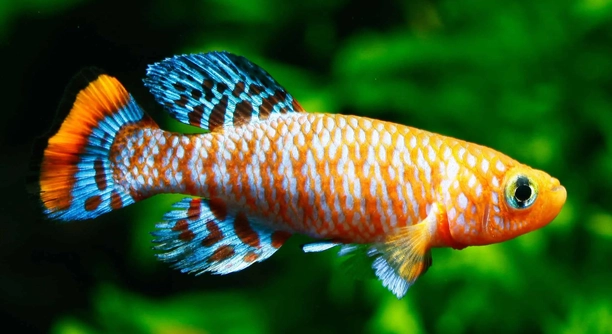
Killi fish are popular small aquarium pets known for their bright colors and lively behavior. Like all fish, they can get sick, and noticing changes in their actions helps keep them healthy. Understanding their behavior when unwell is important for any fish keeper.
When killi fish are sick, they often become less active, hide more, and may show signs like clamped fins or slow breathing. These symptoms indicate stress or illness and require prompt attention to prevent further health decline.
Recognizing these signs early can help you take proper care and improve your fish’s chance of recovery. The following information will help you spot when your killi fish needs help.
Common Signs of Illness in Killi Fish
When killi fish get sick, they often behave differently than usual. One common sign is reduced activity; sick fish may stay still at the bottom or hide behind plants. Their fins might clump together instead of spreading out, and their breathing can become faster or more labored. You might also notice white spots or patches on their bodies, which can indicate infections. Loss of appetite is another important sign to watch for, as sick killi fish often stop eating. Sometimes, they may swim erratically or tilt their bodies unnaturally. These symptoms show that the fish is stressed or fighting illness. Checking your tank’s water quality regularly is important because poor water conditions often lead to sickness. If you notice these signs early, it’s easier to take action and help your killi fish recover. Ignoring these changes can lead to serious health problems.
Treating these symptoms quickly helps prevent the illness from spreading to other fish.
Recognizing illness in killi fish requires close observation. Their small size means signs can be subtle at first. Keeping the tank clean and stable is key to preventing many common diseases. Regular water testing for ammonia, nitrite, and nitrate levels helps ensure a healthy environment. If you notice your fish hiding or not eating, check water parameters immediately. Many illnesses result from stress caused by poor water quality or sudden changes in temperature. Isolating sick fish in a quarantine tank can protect others while you treat the illness. Medications designed for freshwater fish can be effective, but it’s important to follow dosing instructions carefully. Sometimes, improving water conditions alone helps the fish get better. Patience and careful monitoring make a big difference when caring for a sick killi fish.
How to Help a Sick Killi Fish Recover
The first step in helping a sick killi fish is improving the tank environment. Clean water is essential for recovery. Perform partial water changes to reduce toxins and keep temperature steady. Feeding small amounts of high-quality food encourages eating but avoid overfeeding.
Proper care involves gentle treatment and consistent monitoring.
Recovery takes time and attention. Sick killi fish need a stress-free environment with stable water conditions. Avoid overcrowding the tank and keep the lighting low if the fish seems sensitive. Using a quarantine tank can help control infection and make treatment easier. If medication is needed, choose products safe for small fish and follow instructions closely. Feeding nutritious food supports the immune system, but it’s normal if the fish eats less during recovery. Observe your fish daily for signs of improvement or worsening symptoms. If there is no progress after a week, consult a specialist or experienced aquarist. Consistency in care and patience are key to bringing your killi fish back to health.
Preventing Illness in Killi Fish
Maintaining clean water is the best way to prevent sickness in killi fish. Regular water changes and monitoring water quality keep the tank safe. Avoid overcrowding to reduce stress and disease spread.
Stable tank conditions support healthy fish. Killi fish are sensitive to sudden changes in temperature or water chemistry. Keeping a consistent environment lowers stress and boosts their immune system. Use a good filtration system and test water weekly for ammonia, nitrite, and nitrate levels. Feeding a balanced diet with occasional live or frozen food helps maintain vitality. Quarantining new fish before adding them prevents introducing diseases. Keeping decorations clean and avoiding sharp objects reduces injury risk. These simple steps help keep your killi fish healthy and active.
Monitoring fish behavior regularly helps catch problems early. Look for changes in swimming, eating, or appearance. Acting quickly can prevent illness from worsening.
Common Diseases Affecting Killi Fish
Killi fish often face infections caused by bacteria, parasites, or fungi. Common diseases include ich, fin rot, and fungal infections. Each causes different symptoms, like spots, ragged fins, or white fuzz.
Ich is a parasite that appears as tiny white spots on the fish’s body and fins. It causes irritation and rapid breathing. Fin rot causes fins to fray and discolor, often due to bacterial infection after injury or poor water. Fungal infections look like cottony growths, usually on damaged skin. These diseases often result from stress and poor tank conditions. Treatment involves improving water quality and using appropriate medications. Early detection increases the chance of full recovery. Keeping the tank clean and stable lowers the risk of these common problems.
Signs of Stress in Killi Fish
Stress in killi fish can show as rapid gill movement or hiding more than usual. They may also refuse to eat or swim erratically. These signs often point to an unhealthy environment or illness.
Stress weakens a fish’s immune system, making sickness more likely.
Treating Bacterial Infections in Killi Fish
Bacterial infections often cause redness, swelling, or ulcers on killi fish. Treatment includes improving water quality and using antibacterial medications designed for aquarium fish. Quarantining sick fish helps prevent spread. Always follow medication instructions carefully to avoid harming your fish or beneficial bacteria in the tank.
Importance of Quarantine for New Fish
Quarantining new killi fish before adding them to the main tank reduces disease risk. A separate tank for two to four weeks allows observation and treatment if needed. This step protects your established fish population.
Monitoring Water Parameters Regularly
Testing water regularly ensures ammonia, nitrite, and nitrate levels stay safe. Stable water parameters reduce stress and prevent many health issues in killi fish.
FAQ
How can I tell if my killi fish is sick?
Look for changes in behavior and appearance. Sick killi fish may hide more, swim slowly, or stay at the bottom. Signs like clamped fins, faded colors, white spots, or rapid breathing can also indicate illness. Loss of appetite is a common symptom, so watch if your fish stops eating.
What should I do if I notice my killi fish is sick?
Start by testing the water to ensure good quality. Perform partial water changes if needed. Isolate the sick fish in a quarantine tank to prevent spreading disease. Depending on the symptoms, use appropriate medications carefully. Keep feeding small amounts of nutritious food to support recovery.
Can stress cause sickness in killi fish?
Yes, stress weakens their immune system and makes them more vulnerable to infections. Stress can come from poor water quality, overcrowding, sudden changes in temperature, or aggressive tank mates. Reducing stress by maintaining stable conditions is important for keeping fish healthy.
How often should I clean my killi fish tank?
Regular maintenance is essential. Partial water changes of about 20-30% weekly help keep toxins low. Clean any debris or leftover food daily, but avoid disturbing the tank too much. Test water parameters at least once a week to catch issues early.
Are there common diseases I should watch for?
Yes, ich, fin rot, and fungal infections are common in killi fish. Ich appears as tiny white spots, fin rot causes ragged fins, and fungal infections show as cottony growths. Early detection and treatment improve chances of recovery.
Is it necessary to quarantine new fish?
Absolutely. Quarantining new fish for two to four weeks protects your existing fish from hidden diseases. It allows you to monitor health and treat any problems before introducing them to the main tank.
What food is best for a sick killi fish?
Offer high-quality pellets or flakes designed for small carnivorous fish. Supplement with live or frozen foods like brine shrimp or daphnia to encourage eating. Avoid overfeeding and remove uneaten food promptly to keep water clean.
How long does it take for a sick killi fish to recover?
Recovery times vary depending on the illness and treatment. Mild cases may improve within a few days, while more serious infections can take weeks. Consistent care, good water quality, and proper medication support healing.
Can poor water conditions cause illness?
Yes, poor water quality is one of the main causes of illness in killi fish. High levels of ammonia, nitrites, or nitrates stress the fish and make them prone to infections. Regular testing and water changes help prevent these problems.
What temperature is best for killi fish health?
Killi fish prefer stable water temperatures between 72°F and 78°F (22°C to 26°C). Sudden temperature changes can stress them and trigger illness. Using a reliable heater and thermometer keeps the environment consistent.
How do I treat ich in killi fish?
Ich treatment involves raising the water temperature slightly and using anti-parasitic medications. Quarantine affected fish and maintain clean water. Follow the medication instructions fully and monitor the fish for improvement.
Can fin rot heal on its own?
Fin rot usually requires treatment with antibacterial medications and improved water conditions. Without care, it can worsen and lead to serious tissue damage. Early intervention gives the best chance for fins to regrow healthy.
Are killi fish sensitive to medications?
Yes, killi fish are small and can be sensitive to overdosing. Always use medications designed for small freshwater fish and follow dosing instructions carefully. Overuse can harm the fish and beneficial bacteria in the tank.
What signs show my killi fish is stressed but not yet sick?
Signs include frequent hiding, clamped fins, slight color fading, and reduced activity. These indicate discomfort and can lead to illness if not addressed. Improving tank conditions and reducing stress helps prevent sickness.
Can I use home remedies to treat sick killi fish?
Home remedies are generally not recommended as they can cause more harm than good. It’s safer to use established aquarium medications and maintain good water quality. Consult an expert if unsure.
How can I support my killi fish’s immune system?
Provide a balanced diet with varied foods, maintain clean water, and keep a stable environment. Avoid overcrowding and reduce stressors. A healthy immune system helps fish fight off infections more effectively.
What should I do if my killi fish stops eating?
Loss of appetite is a common sign of illness or stress. Check water quality first and observe for other symptoms. Try offering live or frozen foods to stimulate feeding. If the problem continues, consider quarantine and treatment.
Is it normal for killi fish to hide often?
Killi fish may hide sometimes, especially at night or when resting. Excessive hiding can indicate stress or illness. Watch for other signs like poor color or inactivity to assess their health.
How do I keep my killi fish tank stable?
Maintain consistent temperature and water chemistry, avoid sudden changes, and perform regular partial water changes. Use a good filter and test water weekly. Stability reduces stress and illness risks.
What if my fish does not improve after treatment?
If there is no improvement after a week of treatment, reassess the diagnosis and water quality. Sometimes a different medication or expert advice is needed. Continuing care and monitoring remain important.
Can environmental enrichment help sick fish recover?
Providing hiding spots and plants helps reduce stress. However, avoid overcrowding the tank with decorations during recovery. A calm and simple environment supports healing.
Killi fish are delicate creatures that show clear signs when they are not feeling well. Paying close attention to their behavior and appearance helps catch illness early. Changes like hiding, slow swimming, or clamped fins are important signals. Understanding these signs allows you to respond quickly, improving your fish’s chance to get better. Keeping their environment stable and clean is the most effective way to prevent sickness. Regular water tests and proper tank maintenance reduce stress and protect the fish from common diseases.
Taking care of a sick killi fish requires patience and consistent effort. Isolating the fish in a quarantine tank helps avoid spreading illness. Treatment often includes improving water quality and using suitable medications. It is important to follow instructions carefully to avoid causing more harm. Feeding the fish small amounts of good food supports their immune system during recovery. Watching your fish daily for progress or worsening symptoms ensures timely adjustments. Sometimes, despite best efforts, recovery may take time, but steady care increases the chance of success.
Prevention is always better than treatment. Creating a healthy environment and reducing stress helps keep killi fish strong and less prone to disease. Quarantining new fish before adding them to your main tank is a simple but important step. Feeding a varied diet and avoiding overcrowding also support their health. By being observant and proactive, you can enjoy healthy, active killi fish in your aquarium. These small steps make a big difference in your fish’s quality of life and your experience as a fish keeper.

Hello,
If you enjoy the content that we create, please consider saying a "Thank You!" by leaving a tip.
Every little bit helps us continue crafting quality advice that supports the health, happiness, and well-being of pets around the world, for pets of all shapes, sizes, and species.
We really appreciate the kindness and support that you show us!