
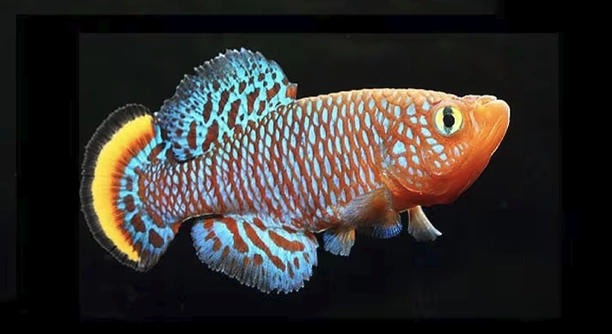
Killi fish are popular for their bright colors and active behavior in home aquariums. Sometimes, however, they show aggressive behavior, especially toward their mates. Understanding why this happens can help keep your fish healthy and peaceful.
Aggression in killi fish toward their mates is primarily due to territorial instincts, stress, or competition for resources. This behavior is a natural response driven by the need to establish dominance and secure breeding opportunities within their environment.
Recognizing these causes can help you create a better environment for your killi fish and reduce aggressive encounters over time.
Understanding Territorial Behavior in Killi Fish
Killi fish are naturally territorial creatures. Males often claim small areas in the tank as their own and defend them aggressively. This behavior helps them protect resources like food and breeding sites. When space is limited, aggression increases because each fish feels the need to guard its territory more fiercely. Even females can show territorial tendencies, especially if the tank is crowded or lacks enough hiding spots. Providing ample space and décor like plants or rocks can help reduce confrontations. In a well-set-up environment, killi fish can coexist peacefully with their mates, though occasional displays of dominance may still occur. Recognizing the importance of territory is key to managing their behavior and maintaining harmony in your aquarium.
Territorial aggression in killi fish is a natural survival instinct that can be managed through proper tank setup and care.
Creating a balanced environment that respects each fish’s space and needs will minimize aggression and promote healthier interactions among mates. Adjusting the tank layout and monitoring fish behavior regularly will help maintain peace over time.
Stress Factors That Increase Aggression
Stress is a major factor that can cause killi fish to attack their mates. Changes in water quality, temperature fluctuations, or overcrowding can make fish feel threatened and act aggressively. Poor water conditions, such as high ammonia or nitrite levels, can weaken their immune systems and increase irritability. Overcrowded tanks force fish to compete for limited resources, raising tensions and triggering fights. Additionally, sudden changes like introducing new fish or rearranging decorations can unsettle your killi fish and provoke attacks. Keeping the tank clean, stable, and spacious will help reduce stress and aggressive behaviors. Ensuring regular water testing and maintenance is essential for your fish’s well-being.
Reducing stress in your aquarium environment helps prevent aggression and keeps your killi fish calm and healthy.
By maintaining stable water conditions, avoiding overcrowding, and minimizing sudden changes, you support a peaceful tank atmosphere where your fish can thrive together.
Managing Aggression Through Tank Setup
A well-designed tank can greatly reduce aggression in killi fish. Providing enough space and hiding spots helps them feel secure and less likely to attack.
The size of the tank matters. Small tanks limit territory and cause stress. A larger tank gives fish room to spread out and avoid each other. Adding plants, rocks, or decorations creates natural barriers. These help break sight lines and give fish places to hide when they want to escape conflict. This setup mimics their natural environment and supports calmer behavior.
Regularly rearranging tank decorations can also prevent territorial disputes. Changing the layout forces fish to adjust and reduces the chance of one fish dominating a fixed area. Watching their behavior after changes helps identify any problems early. With careful tank setup, aggression can be managed effectively.
Separating Aggressive Mates
Separating aggressive killi fish when necessary prevents injury and stress. If attacks become severe, it’s best to intervene quickly.
Using dividers inside the tank can keep aggressive fish apart without requiring separate tanks. This allows them to stay in the same environment while reducing direct contact. If a divider isn’t possible, moving one fish to a temporary holding tank is a good alternative. During separation, maintaining good water quality and proper feeding is essential to avoid additional stress. Keeping track of their behavior while apart helps decide when it’s safe to reintroduce them. This approach ensures their health and safety while managing aggression.
Signs of Aggression in Killi Fish
Aggression can show in various ways, including chasing, biting, or fin nipping. These behaviors often increase during breeding periods.
Observing your fish closely helps catch early warning signs. Timely action can prevent serious injuries and stress, keeping your tank peaceful.
Feeding and Aggression
Uneven feeding can lead to fights over food. Ensuring all fish get enough reduces competition and aggressive behavior. Feeding small amounts multiple times a day helps keep everyone satisfied and less likely to compete aggressively.
Breeding Behavior and Aggression
During breeding, killi fish become more territorial and protective of their mates or eggs. This natural behavior can cause temporary aggression, which usually decreases once spawning is complete. Providing plenty of hiding places can help reduce tension during this time.
FAQ
Why does my killi fish attack its mate suddenly?
Sudden aggression often happens because of changes in the tank environment or social dynamics. Stress from poor water quality, overcrowding, or lack of hiding spots can trigger attacks. Sometimes, new fish introductions upset the established hierarchy, causing fights. Seasonal breeding instincts may also increase aggression temporarily.
How can I reduce aggression between killi fish mates?
Increasing tank size and adding plants or decorations can help create separate territories and hiding spots. Feeding your fish regularly and evenly also lowers competition. Maintaining stable water conditions and avoiding overcrowding reduce stress, which in turn decreases aggressive behavior.
Is it normal for killi fish to fight during breeding?
Yes, it is normal. During breeding, killi fish become more protective and territorial. Males especially may chase or nip at their mates to guard eggs or establish dominance. This aggression usually calms down after spawning, but providing enough space and shelter is important to keep fights from becoming serious.
Can I keep multiple pairs of killi fish together?
It depends on the tank size and species. Some killi fish are more tolerant than others, but overcrowding increases aggression risks. It’s best to have separate tanks or use dividers if you want to keep multiple pairs. Monitoring behavior closely is essential to prevent stress and injury.
What should I do if one fish is injured from aggression?
Remove the injured fish to a quarantine or hospital tank for recovery. Treat any wounds with appropriate medications to prevent infection. Clean the main tank and check water parameters to reduce stress and aggression triggers before reintroducing the fish.
Can changing tank decorations reduce aggression?
Yes, rearranging decorations can disrupt established territories and lower aggression. It forces fish to adjust to a new layout, which can break up aggressive patterns. Changing the tank setup periodically encourages a more balanced social dynamic among your killi fish.
Are some killi fish species more aggressive than others?
Yes, aggression levels vary by species. Some species are naturally more territorial and prone to fighting. Research your specific killi fish species to understand their behavior better. This knowledge helps in creating the right tank conditions and managing aggression effectively.
How important is water quality in preventing aggression?
Water quality is very important. Poor water conditions cause stress, which makes fish more aggressive. Regular water changes, testing, and filtration keep the environment healthy and calm. Maintaining ideal temperature, pH, and cleanliness supports your killi fish’s well-being and peaceful behavior.
What role does tank size play in aggression?
Tank size directly affects aggression levels. Small tanks limit space and force fish into close contact, increasing fights. A larger tank provides enough room for fish to claim territories and escape conflicts. Ensuring adequate space for your fish is one of the simplest ways to reduce aggression.
Can diet affect aggression in killi fish?
Yes, diet impacts aggression. Poor nutrition or competition over food can increase stress and fighting. Feeding a balanced diet in appropriate amounts helps keep fish healthy and less irritable. Regular feeding schedules with small portions reduce food-related aggression.
Is it safe to use tank dividers to separate aggressive fish?
Tank dividers are a good tool for managing aggression. They keep fish apart while sharing the same water, minimizing stress from total isolation. Dividers allow gradual reintroduction and prevent serious injuries. Make sure dividers are secure and do not block filtration or water flow.
How long does aggression last after introducing new killi fish?
Aggression after new introductions usually lasts from a few days up to a couple of weeks. Fish need time to establish territories and social order. During this period, watch for excessive fighting and be ready to separate fish if injuries occur.
Can breeding killi fish together increase aggression permanently?
Breeding can raise aggression temporarily but usually does not cause permanent hostility if managed properly. Providing enough space, hiding spots, and monitoring behavior reduces the chance of ongoing fights. Sometimes pairs may not be compatible, and separation is needed for long-term peace.
What signs show a killi fish is stressed before aggression begins?
Signs include hiding more often, loss of appetite, rapid breathing, or dull colors. Stress can make fish irritable and more prone to attacking mates. Early detection helps prevent escalation by improving tank conditions or separating fish.
Is it better to keep killi fish alone or in pairs?
Most killi fish do better in pairs or small groups but only if the tank setup supports peaceful interaction. Alone, they may become lonely or bored, but overcrowding causes stress and aggression. Proper space, hiding places, and careful observation are key for keeping them together safely.
Final Thoughts
Killi fish are fascinating pets known for their vibrant colors and lively behavior. However, their natural instincts can sometimes lead to aggression, especially between mates. Understanding why this happens is important for anyone caring for these fish. Aggression usually stems from territorial behavior, stress, competition for resources, or breeding instincts. Recognizing these causes allows you to take the right steps to create a peaceful environment for your fish. This can improve their well-being and make your aquarium more enjoyable to watch.
Creating the right environment plays a big role in managing aggression. Providing enough space, hiding spots, and stable water conditions helps reduce tension among killi fish. Proper feeding routines also lower competition and stress. When aggression occurs, separating aggressive fish with dividers or separate tanks may be necessary to protect their health. Regular tank maintenance and observation can help catch problems early before they escalate. Keeping the tank clean and comfortable supports calmer fish that interact more peacefully with each other.
Patience and careful attention are key to managing aggressive behavior in killi fish. Aggression is natural but can often be controlled with the right approach. Adjusting tank setup, monitoring water quality, and understanding fish behavior are important steps. If breeding is part of your plan, expect some temporary aggression but know it usually calms after spawning. Overall, paying close attention to your killi fish’s needs will help reduce attacks between mates and ensure a healthier, happier aquarium environment.

Hello,
If you enjoy the content that we create, please consider saying a "Thank You!" by leaving a tip.
Every little bit helps us continue crafting quality advice that supports the health, happiness, and well-being of pets around the world, for pets of all shapes, sizes, and species.
We really appreciate the kindness and support that you show us!