
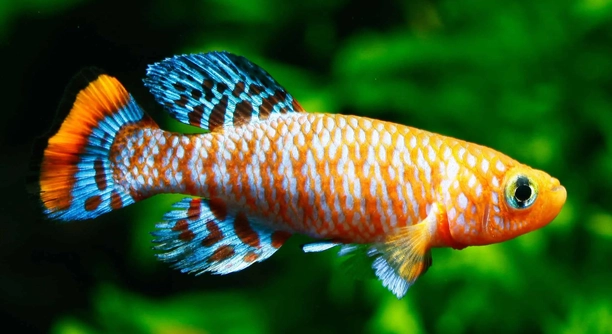
Keeping a killi tank interesting and healthy is important for the well-being of these small fish. Enriching their environment helps them stay active and reduces stress. Many simple changes can make a big difference in their daily lives.
To enrich a killi tank, provide varied plants, hiding spots, gentle water flow, appropriate lighting, live food, and regular tank maintenance. These elements promote natural behaviors and improve the overall health of the fish.
Small improvements can lead to a happier, more vibrant tank. These practical tips will help you create a better space for your killifish to thrive.
Add Live Plants and Natural Decorations
Live plants create a natural feel inside a killi tank, giving the fish places to hide and explore. Plants like Java moss, hornwort, and Anubias work well because they tolerate different water conditions. These plants not only provide shelter but also improve water quality by absorbing excess nutrients. Natural decorations like small branches or smooth stones add texture and places for the killifish to swim around or rest. Adding a mix of plants and decorations mimics the fish’s natural habitat, which helps reduce stress and encourages their natural behavior. It also makes the tank more visually appealing for anyone watching. Keep in mind that plants need some light and occasional trimming to stay healthy. Avoid overcrowding the tank, as killifish need space to swim freely. Introducing these natural elements can be a simple way to enrich your tank environment while supporting the well-being of your fish.
Adding live plants and natural décor helps killifish feel safe and encourages healthy behaviors.
Using plants and decorations creates hiding spots and enriches the tank’s environment. Killifish feel less stressed when they have places to retreat, especially during feeding or if the tank is busy. Live plants also play a key role in maintaining water balance by absorbing waste products, which supports cleaner water. Choose plants that do not require high light or CO2, since killifish tanks often have moderate lighting. Regularly check the plants for dead leaves and remove them to prevent decay. Smooth stones and driftwood provide surfaces for beneficial bacteria to grow, improving the tank’s ecosystem. This simple setup improves the quality of life for your killifish and makes tank care easier in the long run.
Use Gentle Water Flow and Proper Lighting
Gentle water flow mimics the slow-moving streams where killifish live naturally. Strong currents can stress these small fish, so a low-power filter or air-driven sponge filter is best. Proper lighting should be moderate and consistent, avoiding bright or flashing lights that may cause discomfort. A regular day-night cycle helps keep killifish active and healthy. The right combination of water flow and lighting supports natural behavior and overall tank stability.
Provide Hiding Spots
Killifish need places to hide to feel secure. Simple decorations like small caves, coconut shells, or PVC pipes work well. These spots reduce stress and allow the fish to rest when they feel threatened.
Hiding places are essential for killifish because they come from environments with plenty of cover. Without them, the fish can become stressed and less active, which affects their health. Adding these spots encourages natural behaviors like exploring and resting safely. It also helps during feeding times or when there are tankmates, giving killifish a refuge. Using small caves or hollow decorations that fit the tank size is important to avoid overcrowding. You can also place plants near these spots to increase cover. Hiding places improve both the fish’s comfort and the tank’s appeal.
Besides decoration, hiding spots provide shelter during molting or breeding periods. Killifish sometimes use these areas to lay eggs or escape aggressive interactions. Including a few well-placed shelters supports these natural activities. It is best to clean these areas regularly to prevent buildup of waste or algae. Hiding spots combined with a calm environment make the tank a safe space for your killifish to thrive.
Offer Live and Frozen Foods
Feeding killifish a varied diet with live and frozen foods keeps them healthy and active. Foods like brine shrimp, daphnia, and bloodworms provide essential nutrients and stimulate hunting behavior.
Live and frozen foods offer nutrition closer to what killifish eat in nature. These foods contain proteins, fats, and vitamins that support growth, coloration, and reproduction. Feeding live foods encourages the fish to hunt, which enriches their daily activity. Frozen options are convenient and safe, reducing the risk of introducing parasites. Variety in diet prevents boredom and nutritional deficiencies. Offering small amounts multiple times a day helps maintain water quality. It is important to source these foods from trusted suppliers to ensure freshness and safety. Providing these natural foods enhances the overall health and happiness of your killifish.
Maintain Stable Water Conditions
Stable water conditions are crucial for killifish health. Frequent testing and regular water changes help keep parameters steady. Sudden changes can stress the fish and cause illness.
Consistency in temperature, pH, and hardness supports the fish’s natural environment. Killifish thrive in slightly acidic to neutral water with temperatures around 72–78°F. Regular water changes remove waste and toxins, preventing buildup. Avoid drastic fluctuations by using a reliable heater and testing kits. Stability helps killifish feel safe and promotes longevity.
Use a Suitable Tank Size
A tank size of at least 10 gallons provides enough space for killifish to swim and hide comfortably. Smaller tanks can cause stress and poor water quality.
Introduce Tank Mates Carefully
Not all fish are compatible with killifish. Choose peaceful, small species that won’t nip fins or compete aggressively.
Regular Tank Cleaning
Keeping the tank clean prevents disease and maintains a healthy environment. Remove uneaten food and debris regularly.
FAQ
How often should I change the water in a killi tank?
Regular water changes are essential for a healthy killi tank. Aim to change about 20-30% of the water weekly. This helps remove waste and toxins while keeping water parameters stable. Smaller tanks may need more frequent changes because waste builds up faster. Always use dechlorinated water at the same temperature as the tank to avoid shocking the fish. Consistency with water changes reduces stress and prevents disease.
What types of plants are best for killifish tanks?
Low-maintenance plants like Java moss, Anubias, and hornwort are ideal for killifish tanks. These plants tolerate a range of water conditions and don’t require high lighting. Floating plants can also provide shade and help mimic a natural environment. Live plants improve water quality by absorbing nitrates and provide hiding spots for your fish, which helps reduce stress.
Can killifish live with other fish?
Killifish can live with other peaceful, small fish, but care must be taken when choosing tank mates. Avoid aggressive or fin-nipping species, as killifish can be shy or stressed by bullying. Small tetras or rasboras often work well. Always watch interactions closely when introducing new fish, and be prepared to separate them if needed.
How important is diet variety for killifish?
Diet variety is very important for killifish health. Feeding only flakes or pellets can lead to nutritional gaps and boredom. Including live or frozen foods such as brine shrimp, daphnia, and bloodworms provides essential proteins and stimulates natural hunting behavior. Variety supports strong coloration, reproduction, and overall vitality.
What water temperature is best for killifish?
Most killifish prefer temperatures between 72°F and 78°F (22°C to 26°C). It’s important to keep the temperature stable within this range to avoid stressing the fish. Sudden changes can weaken their immune system and cause illness. Use a reliable heater with a thermostat to maintain a consistent temperature.
How do I know if my killifish is stressed?
Signs of stress in killifish include hiding more than usual, loss of appetite, faded colors, and erratic swimming. Stress can result from poor water quality, lack of hiding spots, or aggressive tank mates. Improving tank conditions and providing hiding places can help reduce stress. If stress persists, check water parameters and consider separating the fish.
Is it necessary to have a filter in a killi tank?
While killifish come from slow-moving waters, a gentle filter is recommended to maintain water quality. Sponge filters or low-flow filters work best because they don’t create strong currents. Good filtration reduces harmful toxins and keeps the water clear, which helps the fish stay healthy.
How often should I clean the tank decorations and plants?
Clean decorations and plants when you notice algae buildup or debris. This usually means cleaning once every few weeks. Use tank water to rinse plants and decorations to avoid killing beneficial bacteria. Avoid harsh chemicals that could harm your fish or plants.
Can killifish breed in a home aquarium?
Yes, killifish can breed in home tanks if conditions are right. They often lay eggs in dense plants or spawning mops. Providing clean water, stable temperature, and plenty of hiding spots encourages breeding. Some species need soft, slightly acidic water to spawn. Separate eggs from adults to improve survival rates.
What should I do if my killifish gets sick?
If your killifish shows signs of illness like white spots, lethargy, or loss of appetite, first check water quality. Poor water conditions often cause sickness. Quarantine sick fish and consider using medication appropriate for the disease. Consulting a specialist or fish store can help identify the problem and find the best treatment. Early action improves recovery chances.
Creating a healthy and enriched environment for your killifish is important for their well-being and happiness. Simple steps like adding live plants, providing hiding spots, and feeding a varied diet can make a big difference in how your fish behave and thrive. Killifish are small but active creatures that need stimulation and comfort to stay healthy. Taking care of their tank conditions and water quality also plays a key role in keeping them safe from stress and illness. By paying attention to these basic needs, you create a more natural and enjoyable space for your fish.
Maintaining stable water parameters is another crucial part of caring for killifish. These fish prefer consistent temperatures, gentle water flow, and clean water to feel secure. Sudden changes in temperature or water quality can cause stress and lead to health problems. Regular water testing and timely changes help prevent these issues. Using a gentle filter and keeping the tank clean supports a balanced ecosystem. When all these factors come together, your killifish can live longer, be more active, and show their natural colors and behaviors.
Lastly, enriching a killifish tank is not only about the fish’s health but also about creating a space you enjoy watching. A well-planted tank with natural decorations looks attractive and feels alive. It encourages you to spend more time caring for your fish and learning about their needs. Watching your killifish explore, hide, and feed can be a rewarding experience. With patience and attention to detail, your killifish tank can become a small, thriving ecosystem that brings calm and interest to your home.

Hello,
If you enjoy the content that we create, please consider saying a "Thank You!" by leaving a tip.
Every little bit helps us continue crafting quality advice that supports the health, happiness, and well-being of pets around the world, for pets of all shapes, sizes, and species.
We really appreciate the kindness and support that you show us!