
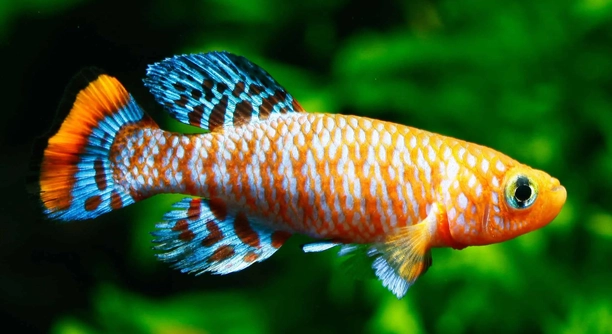
Killi fry are small fish often seen gathered in groups near the edges of their tanks or natural habitats. Their behavior is common and can be observed by many hobbyists who keep these delicate fish. Understanding why they do this helps improve their care.
Killi fry cluster at the edges primarily for safety and environmental reasons. The edges provide shelter from predators and stronger currents, allowing fry to conserve energy and find food more easily in these calmer zones. This behavior increases their chances of survival.
Knowing why killi fry prefer the edges can help you create a better environment for them. It also offers insight into their natural habits and needs.
Reasons Killi Fry Prefer the Edges
Killi fry naturally seek shelter and safety, which they often find near the edges of their environment. The edges provide protection from larger fish or sudden movements in open water that might threaten their survival. These areas tend to have less water flow, making it easier for the fry to swim and conserve energy. Also, food particles often gather near the edges, giving the fry a better chance to feed without competition. The presence of plants or decorations along the edges offers hiding spots, helping the fry feel secure. Over time, these habits become a natural pattern, as staying near the edges reduces stress and increases their chances of growing strong. Observing this behavior can guide how to arrange your tank, ensuring the fry have enough cover and calm areas to thrive. Providing suitable edge environments mimics their natural conditions and supports their growth and development.
Edges also act as safe zones for fry to rest and recover energy after swimming.
This behavior reflects an instinctual response to environmental cues. Fry are vulnerable and seek comfort in places where threats are minimal and resources are accessible. In captive tanks, creating gentle water flow and placing plants or structures near the edges encourages this natural clustering. It’s important to avoid overcrowding the tank center, which may cause stress. By understanding this pattern, caretakers can improve tank setups and care routines. Giving the fry the right conditions supports healthy development and reduces mortality. This knowledge also highlights the importance of maintaining clean water and a balanced environment, as poor conditions may force fry to hide excessively or become stressed. Overall, recognizing why killi fry cluster at edges helps ensure their well-being.
How to Create a Suitable Edge Environment
Providing proper edge spaces in the tank helps killi fry feel secure and encourages natural behavior.
Focus on adding plants, rocks, or decorations that create shaded, calm spots. Avoid strong currents near edges to keep water gentle. These changes support the fry’s instinct to stay near shelter, making them more comfortable and healthy. Good water quality and stable temperature also matter in maintaining the right environment. Adjusting the tank to meet these needs leads to better survival and growth rates for your killi fry.
Benefits of Edge Clustering for Killi Fry
Edge clustering helps killi fry avoid predators more effectively. It also reduces their exposure to strong water currents, making it easier for them to swim and find food. The edges offer a safer, calmer space that supports their early development.
Staying near edges provides fry with multiple survival advantages. Calm water at the edges reduces energy use, which is vital as fry have limited strength. The edges often have more hiding spots, like plants or rocks, which protect them from threats. Food tends to accumulate in these areas, increasing feeding opportunities. This behavior is an instinct that improves their chances of reaching adulthood. When conditions are right, fry grow faster and are less stressed, leading to healthier fish overall.
Providing a natural edge environment can improve fry survival rates significantly. Observing their clustering behavior helps in adjusting tank conditions. For example, placing fine-leaved plants or gentle decor near edges supports their instinct to stay sheltered. Reducing strong water flow also prevents fry from being swept away or stressed. This combination creates a nurturing habitat that meets their basic needs.
Environmental Factors Influencing Edge Behavior
Water flow and tank setup strongly affect where killi fry gather. Calm edges encourage clustering, while strong currents push them away.
Water temperature and cleanliness also impact fry behavior. Fry prefer stable, clean water, which usually accumulates near edges with less circulation. If the water is too warm or polluted, fry may hide more or move erratically, increasing stress. Good filtration and regular water changes help maintain ideal conditions. Adjusting flow to keep edges calm mimics natural habitats and supports healthy growth. Proper lighting and plants further improve the environment, encouraging fry to stay in safe zones rather than swimming openly where they are more vulnerable.
Common Misconceptions About Killi Fry Clustering
Many assume killi fry cluster at edges due to fear alone. However, it is also about finding food and conserving energy in calmer areas.
It’s not just hiding; clustering supports feeding efficiency and growth in early stages.
Impact of Tank Size and Shape
Tank size and shape influence where killi fry gather. Smaller tanks may limit hiding spots, pushing fry to cluster more tightly at edges. Wider tanks with irregular shapes offer more edge variety and shelter. This can reduce stress and improve survival rates by giving fry multiple safe zones. Proper tank arrangement helps mimic their natural habitats, encouraging healthier behavior and development.
Feeding Habits Near the Edges
Killi fry find more food near edges because particles and microorganisms collect there. This area provides an easy feeding ground, reducing competition and allowing fry to grow steadily.
Importance of Monitoring Fry Behavior
Watching how fry cluster helps identify their health and comfort levels. Sudden changes may signal water quality issues or stress.
FAQ
Why do killi fry prefer the edges instead of the center of the tank?
Killi fry feel safer near the edges because these areas offer protection from predators and strong currents. The edges usually have plants or decorations that provide hiding spots, which help fry avoid danger. Additionally, the water flow is calmer near the edges, so fry use less energy swimming there. Food particles often gather in these spots, making feeding easier for the fry. This combination of shelter, calm water, and food availability naturally draws them to the edges instead of the open center.
Is clustering at the edges a sign of stress for killi fry?
Not necessarily. Clustering at the edges is a normal behavior for killi fry and usually shows their instinct to stay safe. However, if the clustering becomes extreme or the fry seem lethargic, it could mean they are stressed by poor water quality, high temperatures, or overcrowding. Watching their behavior over time helps determine if they are simply following natural instincts or reacting to environmental problems. Maintaining clean water and proper tank conditions reduces stress and encourages healthy behavior.
How can I create the best environment for killi fry to cluster naturally?
Provide plenty of plants and decorations near the edges to create hiding spots and shade. Use gentle filtration or adjust flow to keep water calm around the edges. Keep water temperature stable and maintain regular cleaning schedules to ensure good water quality. Avoid overcrowding your tank, as too many fry or adult fish can increase stress and reduce available safe spaces. These conditions support natural clustering behavior and help fry grow strong.
Will killi fry cluster at the edges if they feel threatened by larger fish?
Yes, larger fish often cause fry to seek safety near the edges. These areas provide cover and reduce chances of being caught. If your tank has adult fish, it’s important to provide enough hiding spots and consider separating fry during early growth stages. Keeping fry safe from aggressive or larger fish helps reduce stress and improves survival.
Does the tank size affect how killi fry cluster?
Tank size influences how much space fry have to spread out. In smaller tanks, fry might cluster more tightly at edges because hiding spots are limited. Larger tanks with varied shapes allow fry to find multiple safe zones, reducing crowding. Regardless of tank size, providing enough plants and gentle water flow is key to supporting natural clustering.
Can water quality problems change how killi fry behave at the edges?
Poor water quality often increases stress, causing fry to hide more or become inactive near the edges. High ammonia, nitrite, or nitrate levels, as well as unstable temperatures, can negatively impact their health. Regular water testing and changes help maintain good water conditions, encouraging normal swimming and feeding behaviors.
Is clustering behavior only seen in killi fry or in other fish species too?
Many small or young fish species show similar behavior, clustering near edges for safety, food, and calm water. It is a common survival tactic among fish that are vulnerable in early life stages. Watching your fry closely helps understand if their behavior is normal or if adjustments are needed.
How often should I monitor killi fry clustering behavior?
Daily observation is best during the early weeks of development. Watching how fry move and cluster can alert you to changes in water quality, health, or tank conditions. If you notice sudden shifts, such as excessive hiding or lethargy, it’s time to check water parameters and tank setup.
What should I do if killi fry suddenly stop clustering at the edges?
A sudden change may mean the environment is not right. Check water quality, temperature, and filtration first. Look for signs of illness or stress. Sometimes fry will explore more as they grow stronger, but if they seem restless or weak, adjusting tank conditions or isolating sick fry can help.
Can clustering at the edges improve fry feeding success?
Yes, edges often collect tiny food particles and microorganisms. Staying near the edges allows fry to feed more efficiently with less competition. This feeding strategy supports steady growth during vulnerable stages.
Are there any risks if killi fry only stay at the edges?
If edges are overcrowded, fry may compete for space and food, leading to stress. Also, poor water circulation near crowded edges might lower oxygen levels. It’s important to keep tank conditions balanced with enough hiding spots spread throughout, and to avoid overstocking.
How do plants help with killi fry clustering?
Plants provide shade, shelter, and surfaces for microorganisms that fry eat. Fine-leaved plants near edges create safe hiding places and reduce water flow, making the area more comfortable. Live plants also improve water quality, supporting fry health.
Should I use artificial decorations to support edge clustering?
Yes, artificial plants, rocks, or caves can offer additional hiding spots. Make sure they are safe and clean for aquarium use. These decorations help mimic natural habitats and give fry secure places to gather, reducing stress.
Is lighting important for killi fry clustering behavior?
Soft, natural lighting encourages fry to stay near shaded edges. Too much bright light can stress fry, pushing them to hide constantly. Using dimmed or indirect lighting helps create a calm environment that supports natural clustering.
Can I prevent clustering by changing tank setup?
It’s not recommended to prevent clustering completely, as it is a natural survival behavior. Instead, focus on creating a balanced tank with enough shelter and calm areas throughout. This helps distribute fry safely and reduces overcrowding near edges.
How does clustering behavior change as killi fry grow?
As fry mature and become stronger swimmers, they explore more of the tank and cluster less tightly at the edges. They become more independent and confident in open water, although they still use shelter when needed. Watching this change helps track healthy development.
Killi fry clustering at the edges is a natural and important behavior that helps them survive in their early life stages. These small fish instinctively seek out calm, protected areas where they can avoid predators and strong currents. The edges of the tank or their natural environment provide these safe zones, making it easier for fry to rest, feed, and grow. Understanding this behavior can help anyone caring for killi fry create a better habitat that supports their needs. When the environment mimics their natural conditions, the fry are more likely to thrive and develop healthily.
Creating the right edge environment is key to supporting this clustering behavior. Adding plants, decorations, or rocks near the edges offers hiding places and reduces water flow, which keeps the fry comfortable. Water quality is also very important—clean, stable water helps reduce stress and keeps the fry active and healthy. Avoid overcrowding the tank and make sure to provide enough space and shelter so that the fry don’t compete too much for safe spots. Paying attention to these details can make a big difference in how well killi fry grow and survive in captivity.
Watching how killi fry behave at the edges also provides valuable information about their health and environment. If you notice sudden changes in their clustering or movement, it may indicate problems like poor water quality or stress. Regular observation and tank maintenance help catch these issues early. Overall, understanding why killi fry cluster at the edges allows for better care and increases their chances of reaching adulthood. This simple behavior is a natural part of their survival, and by respecting it, caretakers can support the well-being of these delicate fish.

Hello,
If you enjoy the content that we create, please consider saying a "Thank You!" by leaving a tip.
Every little bit helps us continue crafting quality advice that supports the health, happiness, and well-being of pets around the world, for pets of all shapes, sizes, and species.
We really appreciate the kindness and support that you show us!