
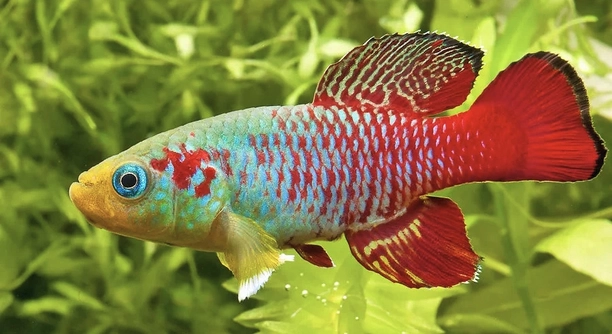
Do you ever find yourself unsure about what foods are safe to feed your killifish? It can be tricky to figure out which treats are helpful and which might do more harm than good.
Killifish should not be fed bread, processed meats, citrus fruits, sugary snacks, dairy products, raw beans, or oily foods. These items can upset their digestive systems, impact water quality, and lead to long-term health issues.
Knowing what to avoid will help you support your killifish’s health and keep their tank environment stable and clean.
Bread and Processed Meats
Bread may seem harmless, but it’s not suitable for killifish. These fish have delicate digestive systems that aren’t built to handle complex carbohydrates and additives. Bread can swell in their stomachs and cause bloating or constipation. Most processed meats are high in fat, salt, and preservatives. These ingredients can pollute the water and put stress on the fish’s liver and kidneys. Feeding your killifish these items can shorten their lifespan and create unhealthy conditions in the tank. Even a small amount of these foods can throw off the balance, especially in a smaller setup. Stick to feeding options that support their natural feeding habits.
Bread and processed meats offer no real benefits for killifish and should always be avoided.
Instead of table scraps, give your killifish food that mimics what they’d eat in the wild. Options like brine shrimp, daphnia, and high-quality flakes are safer and more nutritious.
Citrus and Sugary Snacks
Citrus fruits and sugary snacks may seem tempting to try, but they’re not suitable for killifish at all.
Citrus fruits are acidic and can irritate a killifish’s digestive tract. They can also change the pH balance of the tank water, creating stress and potential harm for your fish. Oranges, lemons, and similar fruits should be kept out of their diet entirely. Sugary snacks are another problem. They contain artificial ingredients and excess sugar that fish can’t process. This kind of food doesn’t just affect the fish—it also makes the water cloudy and unsafe. Over time, these poor conditions can lead to illness. Even if your fish seems curious, it’s best to avoid experimenting. Keep their meals simple and suited to their needs. You don’t need anything fancy—just fresh, reliable fish food that’s known to work.
Dairy and Raw Beans
Dairy products are hard for killifish to digest. Their bodies don’t have the enzymes needed to break down lactose, which can lead to bloating and other digestive problems. Even tiny amounts can affect their health and pollute the tank water.
Raw beans may seem like a healthy option, but they contain natural toxins and compounds that can harm killifish. These toxins don’t always go away with boiling, and raw beans can expand inside the fish’s stomach, causing discomfort or blockages. They can also introduce unwanted bacteria into the water. It’s better to avoid beans altogether and stick with foods that match their natural diet. Keeping things simple helps protect their digestion and maintain a clean environment.
Feeding your killifish the wrong food might not show effects right away, but over time, it adds up. Poor digestion, changes in behavior, and a messy tank are often signs something’s wrong. Watch what goes in.
Oily Foods and Leftovers
Oily foods can quickly make tank water greasy and unclean. Even if your killifish eats it, the excess oil breaks down slowly and affects the water’s quality. It creates a surface film and encourages harmful bacteria.
Leftovers from your meals should never be used as fish food. These often contain spices, oils, and preservatives that are not safe for killifish. What’s okay for humans doesn’t translate well in a tank. Even a small bite can change the tank’s chemistry, leading to ammonia spikes and stressed fish. Killifish are especially sensitive to water changes, and improper feeding is a common cause of illness. It’s best to treat every feeding with care. If the food wasn’t made for fish, leave it out. Stick to trusted food sources that are clean and balanced. Your killifish will be healthier, more active, and live longer in return.
Spicy Food and Seasonings
Spicy food can upset your killifish’s digestive system. Their bodies are not designed to handle strong flavors or ingredients like garlic, pepper, or chili. Even trace amounts can cause stress and water contamination.
Seasonings add salt and chemicals that harm killifish. These extras don’t belong in their diet and can disrupt their health.
Frozen Food with Fillers
Some frozen fish foods contain fillers like wheat, soy, or artificial color. These ingredients offer little nutrition and can lead to bloating or poor digestion. Always check the label before feeding. Good frozen options include bloodworms or brine shrimp with no additives. Clean, simple ingredients are safer and more effective.
Moldy or Expired Food
Old food loses its nutrients and may grow mold, which can harm your killifish. Always store food properly and check expiration dates before feeding. Fresh, well-stored food keeps your fish healthy and the tank clean.
FAQ
Can killifish eat human food?
Killifish should not eat human food. Most items we eat contain salt, oil, sugar, spices, and preservatives that are unsafe for fish. Even plain-looking foods like bread or rice can be harmful. These foods are hard to digest and can cause bloating, digestive stress, and water pollution. Killifish have small, sensitive systems that need clean, simple meals designed for their size and biology. If you’re ever unsure, it’s best to avoid giving them anything that wasn’t made for fish. Sticking with fish-safe options will protect their health and keep your tank water stable.
Are fruits and vegetables okay for killifish?
Some vegetables are safe in small amounts, but most fruits should be avoided. Leafy greens like spinach or blanched zucchini can be given occasionally in tiny pieces, but they should be cleaned thoroughly. Avoid acidic fruits like oranges and anything too sweet. Killifish do best on protein-rich foods such as brine shrimp, daphnia, or bloodworms. Their natural diet does not include many plant-based foods, so these items should only be given occasionally—if at all—and only if your fish eats them without issue. Always remove uneaten vegetables quickly to avoid water quality problems.
Can I feed my killifish insects from outside?
It’s not recommended. Wild insects can carry pesticides, bacteria, or parasites that can make your killifish sick. Even if they seem safe, you can’t be sure what the insect has been exposed to. Stick to insects that are raised specifically for feeding fish, like flightless fruit flies or blackworms from a clean, trusted source. These options are much safer and are closer to what killifish would eat in nature. Feeding them live food can be fun and healthy—but it’s important to use the right kind. Clean sources make all the difference.
How often should I feed my killifish?
Most adult killifish should be fed once or twice a day in small amounts. Only give them what they can finish in two minutes. Overfeeding is one of the most common mistakes and can cause bloating, dirty water, and excess waste. Younger or growing fish may need more frequent feedings, but always observe their behavior and adjust as needed. Uneaten food should be removed quickly. If you’re unsure, it’s safer to slightly underfeed than to give too much. A consistent feeding schedule also helps maintain tank stability and fish health.
Is frozen food better than flakes?
Frozen food is often more nutritious than flakes, especially for killifish, which need protein-rich meals. Flakes can be used as part of their diet, but they lose nutrients over time and may include fillers. Frozen bloodworms, brine shrimp, and daphnia more closely mimic their natural diet and provide better results in terms of health, color, and activity. If using frozen food, make sure it’s free of fillers and always thaw it before feeding. Flakes aren’t bad, but they work best when paired with other options. Variety helps meet all their nutritional needs.
Can killifish eat pellets?
Yes, killifish can eat pellets, but they must be the right size and type. Some pellets are too large or too hard for killifish to eat comfortably. Look for micro pellets designed for small or surface-feeding fish. Soaking them briefly can make them easier to digest. Pellets should be high in protein and low in fillers. They can be a convenient option when you don’t have access to live or frozen food. If your killifish doesn’t show interest, try switching brands or mixing them with something more familiar.
What signs show that I’m feeding the wrong food?
If your killifish becomes less active, bloated, or their colors fade, it could be related to diet. Slow swimming, refusal to eat, and unusual waste can also be signs of poor food choices. Cloudy water after feeding or food left uneaten for long periods are other red flags. Fish need clean, high-quality nutrition to thrive, and many issues start with what you feed. If you notice anything unusual, check your food labels, feeding schedule, and water parameters. Small changes can have a big effect on your fish’s well-being.
Final Thoughts
Feeding your killifish the right food is one of the easiest ways to keep them healthy. These small fish have simple needs, and sticking to foods that match their natural diet makes a big difference. It can be tempting to try new things or offer leftovers, but doing so often leads to problems. Foods like bread, processed meats, and dairy products may seem harmless, but they can upset your fish’s stomach or harm the water quality in your tank. Over time, this creates stress and can lead to sickness. Paying attention to what your killifish eats will help prevent many common issues and give them a better quality of life.
Choosing safe, clean, and high-protein foods is always the best option. Brine shrimp, bloodworms, daphnia, and specially made flakes or pellets are all good choices. These options are made to meet the needs of small fish and are easy to find at pet stores. Avoid giving them fruits, beans, or anything spicy or oily. These items are not only hard to digest, but they also make the water dirty. Clean water is just as important as good food, so it’s important to avoid anything that might upset the balance. Even small changes in water quality can affect your killifish. Feeding them properly supports both their health and the overall condition of the tank.
It’s okay to keep things simple. A steady routine with the right food and clean water will keep your killifish active, colorful, and healthy. You don’t need to experiment with new foods or human snacks. If you’re ever unsure, check the ingredients or ask a professional. It’s better to be safe than risk your fish’s health. Watching your fish eat and swim comfortably is a good sign that things are going well. Every small effort adds up over time, and proper feeding plays a big role in that. By understanding what to avoid, you’re giving your fish the best chance at a long, healthy life in their tank.

Hello,
If you enjoy the content that we create, please consider saying a "Thank You!" by leaving a tip.
Every little bit helps us continue crafting quality advice that supports the health, happiness, and well-being of pets around the world, for pets of all shapes, sizes, and species.
We really appreciate the kindness and support that you show us!