
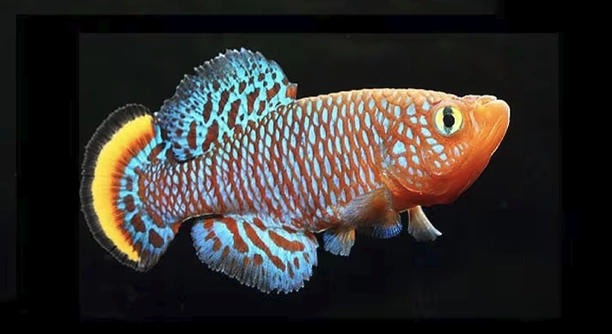
Feeding killi fry properly is essential for their healthy growth and development. Many hobbyists find it challenging to meet the specific nutritional needs of these delicate fish during their early stages. Understanding the right approach can make a significant difference in their survival rates.
The key to feeding killi fry lies in providing appropriately sized, nutritious food at regular intervals while maintaining clean water conditions. Small, frequent feedings of live or specially prepared fry food promote optimal growth and reduce the risk of water contamination.
Proper feeding techniques ensure your killi fry thrive and develop strong immune systems. The following tips will help you provide the best care for your young fish.
Choosing the Right Food for Killi Fry
Selecting the proper food is the first step in feeding killi fry effectively. These fry are very small, so their food must be tiny enough for them to eat. Live foods like infusoria, microworms, and newly hatched brine shrimp are excellent choices. These provide essential nutrients and encourage natural hunting behavior. Freeze-dried or powdered fry food can also work, but it is often less nutritious and less appealing. It is important to avoid large particles that the fry cannot consume, as this can lead to wasted food and poor water quality. Freshness and cleanliness of the food are critical because leftover food quickly pollutes the tank, which harms the fry. Feeding multiple small portions throughout the day ensures that the fry get enough to eat without overfeeding. Observing how much they consume during each feeding helps adjust quantities appropriately and maintain a healthy environment.
Feeding small amounts often prevents water contamination and supports fry growth. Properly sized food helps fry consume nutrients efficiently.
Feeding live food is beneficial because it mimics natural feeding conditions. Infusoria cultures are a common starter food for newly hatched fry, as they are small enough to be consumed easily. Microworms and baby brine shrimp offer a rich protein source, which promotes fast growth. When live food is unavailable, powdered fry food can serve as a supplement but should not replace live options entirely. Monitoring the fry’s response to different foods allows adjustments to diet and portion size. Maintaining clean water by removing uneaten food is essential to prevent health issues. Proper food selection and feeding frequency contribute directly to the fry’s survival and development into healthy adult fish.
Maintaining Clean Water Conditions
Maintaining clean water is vital for killi fry health and feeding success. Dirty water stresses fry and encourages disease.
Water quality has a direct impact on the health and growth of killi fry. Uneaten food and waste accumulate quickly in small tanks, which can increase ammonia and nitrite levels. These toxins are harmful and can cause mortality. Regular water changes, typically 20 to 30 percent every few days, help keep the environment safe. Using a gentle filtration system or sponge filter ensures water movement without disturbing the fry. Avoid strong currents, as fry are fragile and can be easily swept away. Testing water parameters regularly helps detect any harmful changes early. Additionally, removing leftover food promptly prevents decay and maintains water clarity. Keeping water clean reduces stress and creates conditions where fry can feed and grow properly.
Consistent water maintenance minimizes harmful buildup and supports fry health. Clean water reduces stress and infection risks.
In a small fry tank, water can deteriorate rapidly due to waste and uneaten food. Overfeeding is a common mistake that worsens water quality. Limiting feeding to what fry consume within a few minutes helps prevent excess debris. Regular partial water changes replace toxins without shocking the fry. Sponge filters provide gentle aeration and filtration, reducing harmful bacteria without strong currents. Frequent monitoring of ammonia, nitrite, and nitrate levels ensures a stable environment. Using conditioned water free of chlorine or chloramine is essential, as these chemicals are toxic to fry. A clean and stable tank environment supports the fry’s immune system and encourages steady growth, making proper water management as important as feeding itself.
Feeding Frequency and Amount
Feeding killi fry small amounts frequently is essential. Overfeeding can quickly pollute the water and harm the fry.
Killi fry have tiny stomachs and high metabolism, so they need to eat often, usually three to five times daily. Offering small portions ensures they consume all the food without leftovers that degrade water quality. Observing the fry during feeding helps determine how much they can eat in a few minutes. Adjust portions to avoid excess. Feeding too much at once can lead to uneaten food, which decays and causes toxic water conditions.
Regular feeding helps maintain steady growth and prevents starvation. Consistent portion control reduces waste and supports a healthier tank environment. This approach ensures the fry receive adequate nutrition without risking water contamination, which is crucial during their delicate developmental stages.
Monitoring Fry Health and Behavior
Keeping a close watch on fry health helps identify feeding or environmental problems early. Healthy fry swim actively and feed eagerly.
Changes in behavior, such as lethargy, reduced feeding, or hiding, often signal stress or illness. Physical signs like bloating, discoloration, or deformities may also appear. Promptly adjusting feeding routines or water quality can improve their condition. Monitoring growth rates ensures the fry develop properly; slow growth may indicate nutritional deficiencies. Regular observation allows early intervention, reducing mortality risks. Maintaining proper diet and clean water conditions supports overall fry health and encourages natural behavior.
Timely adjustments based on fry behavior and health improve survival rates. Consistent care and observation build a stable environment for growth and development.
Preparing Live Food Cultures
Growing live food cultures at home can save money and ensure a fresh supply. Infusoria and microworms are easy to culture and ideal for killi fry.
Regularly feeding your fry with freshly cultured live food improves their nutrition. Maintaining cultures requires simple equipment and attention to cleanliness.
Avoiding Common Feeding Mistakes
Overfeeding is the most frequent mistake, leading to poor water quality and fry stress. Feeding too large particles can also cause problems, as fry cannot consume them properly.
Balancing feeding amounts and food size is critical. Avoiding these common errors improves fry survival and growth.
Using Supplements and Vitamins
Adding supplements can support fry development, especially when live food is scarce. Liquid vitamins and mineral additives enhance overall health.
Use supplements sparingly and according to instructions. Overuse can harm fry or disrupt tank balance.
Transitioning to Adult Food
Gradually introducing adult food prepares fry for future diets. Start with finely crushed flakes or pellets as they grow.
This transition supports a smooth shift to regular feeding routines without nutritional gaps.
How often should I feed killi fry?
Killi fry need to be fed small amounts multiple times a day, ideally three to five feedings. Their tiny stomachs require frequent feeding to support steady growth. Avoid feeding large quantities at once to prevent leftover food that can foul the water. Feeding in small portions ensures they consume all the food without waste, which helps maintain water quality and fry health.
What types of food are best for newly hatched killi fry?
The best food for newly hatched killi fry includes infusoria, microworms, and newly hatched brine shrimp. These foods are small enough for the fry to eat and rich in nutrients. Infusoria is often the first food used because of its microscopic size, which matches the fry’s tiny mouths. As they grow, introducing microworms and baby brine shrimp provides additional protein needed for development.
Can I feed powdered or freeze-dried food to killi fry?
Powdered or freeze-dried fry food can be used as a supplement but should not replace live food entirely. These foods may lack some nutrients and are less appealing to the fry, so they might not eat as readily. When using powdered food, make sure it is finely ground and fresh. Always remove any uneaten particles quickly to prevent water pollution.
How do I know if I am overfeeding my killi fry?
Overfeeding is easy to spot when there is leftover food sinking to the bottom or floating in the water after feeding. If you notice water becoming cloudy or an increase in waste, it’s a sign that feeding amounts are too high. Observing the fry’s feeding behavior is important — they should eat most of the food within a few minutes. Adjust portions downward if food remains uneaten.
Is it necessary to change water daily when raising killi fry?
Daily water changes are not always necessary but regular partial water changes are important. Changing about 20 to 30 percent of the water every few days helps keep ammonia and nitrite levels low. In smaller tanks or heavily stocked fry tanks, more frequent changes may be needed. Always use water treated to remove chlorine and chloramine to avoid harming the fry.
What water temperature is best for feeding killi fry?
Killi fry generally thrive at temperatures between 72°F and 78°F (22°C to 26°C). Within this range, their metabolism stays steady, which helps them digest food efficiently. Keeping a stable temperature prevents stress and supports healthy growth. Avoid sudden temperature changes, as fry are sensitive and can become stressed or sick.
How long should I feed live food before transitioning to adult food?
Typically, live food should be the primary diet for the first three to four weeks. During this time, the fry grow rapidly and need high-protein nutrition. After about a month, you can gradually introduce finely crushed adult flakes or pellets. Mixing live and prepared foods during this transition helps the fry adjust without losing appetite or nutrition.
Can overfeeding affect water quality and fry health?
Yes, overfeeding directly affects water quality because uneaten food decomposes and increases ammonia and nitrite levels. Poor water quality stresses the fry and weakens their immune systems, increasing the risk of disease and death. Maintaining portion control during feeding and promptly removing leftover food helps prevent these problems.
What should I do if my fry are not eating?
If fry refuse to eat, check water quality and temperature first. Stressful or poor conditions often cause loss of appetite. Ensure food size is appropriate and live food is fresh and active. Sometimes fry need time to adjust to new foods or tank conditions. Reducing feeding frequency temporarily and offering live food can encourage feeding again.
Are supplements necessary for killi fry nutrition?
Supplements like liquid vitamins or minerals can support fry health, especially when live food is limited. However, they should be used sparingly and according to instructions. Overuse may cause water imbalances or stress the fry. A varied diet with live foods remains the best source of nutrients, with supplements serving as occasional support.
How can I avoid feeding mistakes that harm killi fry?
Avoid feeding large amounts at once and ensure food particles are small enough for fry to eat. Remove uneaten food promptly to prevent water pollution. Monitor water parameters and adjust feeding based on fry behavior. Keeping feeding routines consistent and clean water conditions prevents most common feeding mistakes.
Feeding killi fry properly requires attention to detail and patience. These tiny fish have delicate nutritional needs that differ greatly from adult killifish. Providing the right type of food in appropriate amounts is crucial for their survival and growth. Live foods such as infusoria, microworms, and baby brine shrimp are excellent choices because they are small enough and rich in nutrients. It is important to feed frequently but in small portions to prevent leftover food from polluting the water. Maintaining clean water through regular partial changes helps keep the fry healthy and stress-free, which supports better feeding and development. Careful observation of the fry’s behavior and health can guide adjustments in feeding routines and tank maintenance.
Feeding killi fry is not simply about giving food, but also about creating the best environment for them to thrive. Overfeeding can quickly lead to poor water quality, which harms the fry and slows their growth. Underfeeding, on the other hand, can cause malnutrition and weaken their immune systems. Balancing feeding frequency and portion sizes is key. Preparing live food cultures at home is a practical way to ensure a steady supply of fresh food. As fry grow, gradually transitioning them to adult food helps ease their development into healthy adults. Supplements may be used occasionally but should not replace a varied diet based on live foods.
Success with killi fry depends on consistent care and attention. Monitoring water quality, feeding habits, and the fry’s general condition allows early detection of potential problems. Taking the time to understand their needs and responding accordingly makes a significant difference in their survival rates and overall health. While feeding killi fry may require extra effort, it is rewarding to see them grow strong and healthy. Applying the right feeding techniques, combined with proper tank maintenance, ensures a supportive environment where these delicate fish can flourish.

Hello,
If you enjoy the content that we create, please consider saying a "Thank You!" by leaving a tip.
Every little bit helps us continue crafting quality advice that supports the health, happiness, and well-being of pets around the world, for pets of all shapes, sizes, and species.
We really appreciate the kindness and support that you show us!