
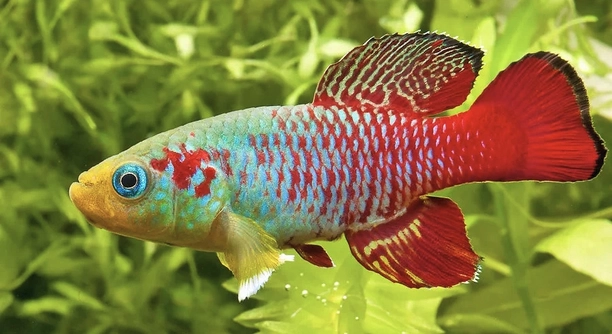
Do you ever notice your killifish resting in unusual ways in their tank? These small, colorful fish have interesting behaviors that can catch the eye of any aquarium enthusiast. Understanding how they rest helps improve their care and environment.
Killifish do rest in specific positions, often near the bottom or among plants. These resting postures help them conserve energy while remaining alert to their surroundings. Their resting behavior varies depending on species and environmental factors such as lighting and tank setup.
Observing these resting habits reveals important insights into their health and comfort in captivity. This knowledge supports better care for your killifish and a more natural aquarium setting.
Typical Resting Positions of Killifish
Killifish often rest near the bottom of the tank or hidden among plants and decorations. They tend to remain motionless in these spots for short periods, which helps them save energy and avoid predators. Some species may also rest slightly above the substrate, hovering quietly in the water column. Their fins usually stay close to their bodies, and their breathing slows down during these resting moments. These positions allow killifish to stay alert while still recovering from activity. Environmental factors such as lighting and tank layout influence where they choose to rest. Providing ample hiding places like dense plants or small caves encourages natural resting behavior. Watching your killifish adopt these positions can give you clues about their comfort and health. Resting in open or unusual spots might indicate stress or illness, so it is important to maintain proper tank conditions.
Killifish rest mostly near the bottom or among plants to conserve energy and remain safe. Their behavior varies depending on species and environment.
Understanding these resting patterns helps ensure a healthy habitat. Adjusting tank setup to include hiding spots supports their natural behavior. Monitoring resting positions can alert you to changes in well-being, making care more effective and responsive.
Factors Influencing Killifish Resting Behavior
Lighting plays a significant role in killifish resting habits. They prefer dim or moderate light when resting, as bright lights can cause stress or disrupt their natural rhythms. Tank decorations and plant density also affect where killifish feel safe enough to rest. A crowded tank with plenty of cover allows them to hide and rest comfortably. Water temperature and quality influence their energy levels, which impacts how often and how long they rest. Killifish in optimal conditions rest more regularly and display natural postures. Stress from poor water parameters or aggressive tank mates can force them into unusual resting positions or constant movement. Observing these factors provides valuable insight into their overall health and environment suitability. Adjusting light intensity, adding plants, and maintaining good water quality promote healthy resting behaviors.
Killifish resting behavior depends heavily on tank lighting, cover, and water quality. These factors influence their comfort and energy conservation.
Proper tank management supports natural resting positions and overall well-being. Recognizing the effects of environment changes on resting habits helps maintain a stable and healthy habitat for killifish.
How to Identify Resting Killifish
Resting killifish usually remain still, with minimal fin movement and slower breathing. They tend to stay close to the substrate or hide among plants. Their eyes might appear less alert, but they can quickly react to disturbances. These signs distinguish resting from illness or stress behaviors.
It’s important to observe killifish closely to differentiate resting from potential health issues. Resting fish will show consistent postures without erratic swimming or gasping at the surface. If a killifish remains in one spot calmly for several minutes, it is likely resting. Watch for natural breathing patterns and slow, controlled fin movements. Any signs of discoloration, clamped fins, or lethargy may indicate illness instead of rest. Regular observation helps track their normal resting habits and identify early health problems.
Recognizing true resting behavior allows for better care and reduces unnecessary worry. Adjusting the tank environment to meet their resting needs promotes natural activity cycles. This balance supports their overall health and stress levels, making your aquarium a more stable home for them.
Common Misunderstandings About Killifish Rest
Some people mistake killifish resting behavior for sickness or injury, especially when the fish stay motionless for long periods. Killifish may rest intermittently throughout the day, which is normal. Unlike other fish, they don’t always hide completely when resting but may remain visible near plants or decorations.
Understanding their natural resting habits prevents misinterpretation of normal behavior as a problem. Killifish can appear inactive but are simply conserving energy. Providing a calm and quiet tank reduces stress and encourages proper rest. Misreading their resting positions can lead to unnecessary changes in tank conditions or medication use. Observing their regular activity cycles helps distinguish rest from unusual behavior that requires attention. A well-maintained tank and proper care foster healthy resting habits and reduce confusion about their behavior.
Resting Behavior During Feeding Times
Killifish often reduce their resting during feeding times. They become more active and alert as they search for food. This increased movement is normal and shows their natural feeding response.
After feeding, killifish may return to their resting spots. This cycle of activity and rest helps regulate their energy levels throughout the day.
How Tank Environment Affects Resting Positions
Tank size, decoration, and water flow directly influence where killifish choose to rest. A spacious tank with gentle currents allows them to find comfortable spots without stress. Dense plants and hiding places give them security, encouraging natural resting positions. Harsh water flow or bright lights may force killifish into less ideal resting areas, increasing stress and reducing rest quality.
Signs That Resting Positions Indicate Health Problems
Unusual resting spots, such as the surface or open water, may indicate illness or stress. Persistent inactivity or erratic movement during rest could signal health issues.
Adjusting Tank Conditions to Support Resting
Optimizing tank conditions improves killifish resting comfort and overall well-being.
FAQ
Why do killifish rest near the bottom of the tank?
Killifish often rest near the bottom because it feels safer and more secure. The substrate and plants provide cover, helping them avoid potential threats. Resting low also allows them to conserve energy while staying alert to their surroundings.
Is it normal for killifish to rest in open water?
While some killifish may rest in open water briefly, it is less common. They usually prefer sheltered areas. Resting in open water for long periods can indicate stress, poor water conditions, or illness and should be monitored.
How can I tell if my killifish is resting or sick?
Resting killifish remain still but show slow, steady breathing and smooth fin movements. Sick fish may display erratic swimming, clamped fins, gasping at the surface, or discoloration. Consistent observation helps distinguish normal rest from health problems.
Do killifish need darkness to rest properly?
Killifish benefit from a regular light-dark cycle. Dim lighting or low light during resting periods helps mimic their natural environment, encouraging proper rest. Bright or constant lighting can cause stress and disrupt resting behavior.
How often do killifish rest during the day?
Killifish rest intermittently throughout the day, usually in short bursts. Their active periods alternate with these rest phases, allowing them to conserve energy while remaining alert. Frequency depends on species, tank conditions, and overall health.
Can tank decorations affect killifish resting habits?
Yes, tank decorations like plants and hiding spots are important for killifish to feel secure. These areas provide safe places to rest and reduce stress. A bare tank or strong currents can discourage natural resting behavior.
What should I do if my killifish rests too much?
Excessive resting may indicate stress, illness, or poor water quality. Check water parameters, tank mates, and overall environment. If everything seems normal but the behavior continues, consult a vet or aquatic specialist for advice.
Are there differences in resting behavior between killifish species?
Yes, resting habits vary among species. Some prefer dense vegetation, while others rest on open substrate. Understanding your specific killifish’s natural habitat can help replicate conditions that support their resting needs.
Can killifish sleep with their eyes open?
Killifish do not have eyelids, so they appear to rest with their eyes open. Despite this, they enter restful states similar to sleep, with reduced activity and slower breathing.
Does feeding time affect killifish resting patterns?
Feeding increases activity and reduces resting temporarily. After eating, killifish often return to their resting positions to digest and regain energy. Maintaining a consistent feeding schedule helps regulate their activity and rest cycles.
How important is water quality for killifish resting behavior?
Water quality is crucial. Poor water conditions can cause stress and disrupt resting patterns. Clean, stable water encourages natural resting behavior and overall health.
Should I adjust tank lighting to improve killifish rest?
Yes, providing a natural day-night light cycle with dim lighting during rest times supports killifish well-being. Avoid harsh or constant lighting to reduce stress and encourage proper rest.
Can stress cause unusual resting positions in killifish?
Stress from aggressive tank mates, poor water quality, or sudden changes can cause killifish to rest in odd places or swim continuously. Identifying and removing stressors helps restore normal behavior.
Do killifish rest differently at night compared to daytime?
Killifish are generally more active during the day and rest more at night. However, they may take short rest breaks during daylight hours as well. Mimicking their natural light cycles helps maintain these patterns.
Is it necessary to provide plants for killifish to rest properly?
While not always necessary, plants greatly improve resting comfort by offering cover and security. Live or artificial plants help create a natural environment that supports healthy behavior.
How can I encourage my killifish to rest more naturally?
Ensure good water quality, stable temperature, gentle lighting, and plenty of hiding places. Avoid overcrowding and aggressive tank mates. A calm and secure environment encourages natural resting habits.
What signs indicate that killifish resting behavior is abnormal?
Signs include constant hiding without movement, gasping for air, clamped fins, rapid breathing, or resting in unusual spots like the surface. These can be signs of illness or stress and require attention.
Can killifish recover if they show abnormal resting behaviors?
Yes, with proper care, water quality, and reduced stress, killifish can recover. Early detection and prompt action improve chances of returning to normal resting behavior.
Does temperature affect how killifish rest?
Temperature impacts metabolism and energy levels. If the water is too cold or too warm, killifish may rest more or less than usual. Maintaining a stable, species-appropriate temperature supports healthy rest.
Are there differences in resting behavior between male and female killifish?
Differences are subtle. Males may be more active during breeding periods, which can reduce resting time. Females generally rest more consistently. These patterns vary depending on species and individual temperament.
Killifish resting behavior is an important aspect of their overall health and well-being. Observing where and how they rest can provide valuable insights into their comfort and stress levels in the tank. These fish often rest near the bottom or among plants, taking short breaks to conserve energy while staying alert. Resting in natural positions indicates a healthy environment and good care. Paying attention to their resting habits helps prevent potential problems before they become serious. A balanced tank setup with proper lighting, water quality, and hiding places supports their natural rhythms and encourages regular rest.
It is normal for killifish to rest intermittently throughout the day, alternating between activity and periods of stillness. Their resting postures are usually relaxed but ready to react if needed. When resting, they may slow their breathing and reduce fin movement, but they remain aware of their surroundings. Understanding these natural behaviors prevents misinterpretation of rest as illness. However, changes in resting patterns, such as excessive inactivity or unusual resting spots, can signal stress or health concerns. Maintaining stable tank conditions and monitoring your killifish regularly ensures they stay comfortable and healthy.
Creating the right environment is key to supporting healthy killifish resting habits. Providing sufficient plants, hiding spots, and moderate lighting helps them feel secure. Avoiding strong water currents and keeping water parameters stable reduces stress and encourages natural rest. Feeding schedules also affect their activity and resting cycles. By observing your killifish closely, you can identify what works best for them and adjust the tank setup accordingly. With proper care, killifish can thrive, displaying their natural resting behaviors that are essential to their overall well-being.

Hello,
If you enjoy the content that we create, please consider saying a "Thank You!" by leaving a tip.
Every little bit helps us continue crafting quality advice that supports the health, happiness, and well-being of pets around the world, for pets of all shapes, sizes, and species.
We really appreciate the kindness and support that you show us!