
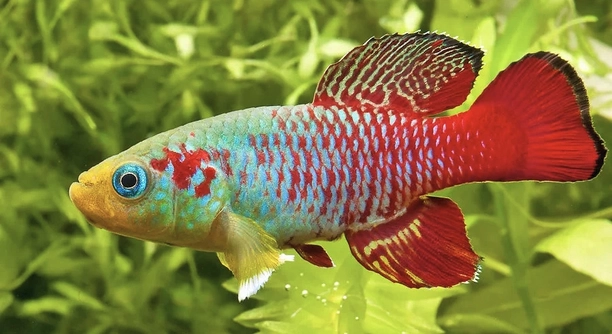
Breeding killifish can be a rewarding hobby for many aquarium enthusiasts. Understanding their needs, especially when it comes to substrate choice, plays a vital role in successful breeding. This article focuses on the best substrate options for killi breeding.
The best substrate for killifish breeding is typically a fine, soft material such as peat moss or a sand-peat mixture. These substrates mimic natural environments, promote egg adhesion, and protect delicate eggs from damage or being washed away during water changes.
Choosing the right substrate helps create ideal conditions for eggs to develop and hatch, ensuring healthier offspring for your killifish.
Why Substrate Choice Matters for Killifish Breeding
The substrate in a killifish breeding tank serves several important functions. It provides a surface where females can lay their eggs safely. In nature, killifish often deposit eggs in soft, organic materials like peat or leaf litter. Using a similar substrate in captivity helps replicate these conditions. A suitable substrate also protects the eggs from being disturbed by water currents or other tank inhabitants. Additionally, some substrates help maintain water quality by supporting beneficial bacteria, which can reduce the risk of fungal infections on the eggs. Choosing the wrong substrate can lead to poor egg survival rates or make it difficult to find and care for the eggs. Therefore, selecting the right substrate is a key step in successful killifish breeding and ensuring healthy fry development.
Proper substrate choice directly influences egg survival and fry health in killifish breeding setups.
Creating an environment that mimics natural egg-laying sites with a soft, organic substrate encourages females to deposit eggs. This also makes it easier to monitor and collect the eggs without damage. Using coarse gravel or harsh materials may injure eggs or cause them to become lost in the substrate. Peat moss and fine sand are often preferred because they hold moisture and allow eggs to develop safely. Additionally, peat has natural antibacterial properties that help prevent fungus growth. Maintaining clean, appropriate substrate conditions helps maintain water parameters favorable to the eggs and fry. In short, substrate selection is not just about appearance but directly impacts the breeding success and health of killifish offspring.
Common Substrate Options for Killifish Breeding
Peat moss and fine sand are the most common substrates used for killifish breeding tanks. These materials closely mimic the natural spawning grounds of many killifish species, promoting better egg attachment and survival.
Among available substrates, peat moss stands out for its softness and water retention qualities, which help create a humid environment essential for egg development. It also contains tannins that can slightly acidify the water, simulating the killifish’s native habitat. Fine sand is another option, offering a gentle surface for eggs and making it easier to spot them for collection. Some breeders use a mixture of peat and sand to combine the benefits of both materials. It is important to avoid sharp or coarse substrates that may damage eggs or hinder fry movement. The chosen substrate should also be easy to clean or replace between breeding cycles to maintain healthy water conditions. Overall, the substrate must support both egg safety and the tank’s ecological balance to ensure successful breeding.
Preparing the Substrate for Breeding
Proper preparation of the substrate is essential to encourage egg laying and protect developing eggs. It should be clean, moist, and free of contaminants.
Before placing the substrate in the breeding tank, rinse it gently to remove dust or debris that could cloud the water. If using peat moss, soak it in dechlorinated water for several hours to ensure it is fully hydrated. This helps maintain moisture levels and provides a soft environment for the eggs. Avoid using fertilizers or additives that might harm eggs or fry. Once prepared, spread the substrate evenly across the tank bottom to create a consistent surface. Regular checks during the breeding period can prevent buildup of waste or mold on the substrate, which could affect egg health.
Maintaining the right moisture is critical. The substrate should stay damp but not overly wet, as excessive water can cause eggs to rot or develop fungus. If using a peat-sand mix, keep the balance so the eggs remain visible and accessible for care.
Removing and Handling Eggs
Eggs must be handled carefully to avoid damage and promote healthy development. Gentle techniques and proper tools are necessary.
After eggs are laid, carefully remove them with a soft brush or small pipette to prevent injury. Avoid using fingers directly, as oils or bacteria may harm the eggs. Place the eggs into a separate hatching container with similar water conditions to the breeding tank. This separation reduces the risk of eggs being eaten by adult fish or contaminated by tank debris. Regularly monitor the eggs for signs of fungus or damage. Remove any unhealthy eggs immediately to prevent spread. Clean handling tools between uses to maintain a sterile environment.
Handling eggs with care increases survival rates. Using clean equipment and gentle methods ensures the eggs remain intact and healthy during transfer and incubation.
Ideal Tank Conditions for Substrate
Tank conditions must support the substrate’s role in breeding. Stable temperature and clean water are key.
Keep water temperature consistent, typically between 22–26°C (72–79°F), to support egg development. Avoid strong currents that might disturb the substrate or dislodge eggs.
Monitoring Egg Development
Regular observation helps ensure eggs are developing properly and identifies problems early.
Check eggs daily for signs of fungus or decay. Healthy eggs are usually clear or slightly translucent. Remove any damaged eggs to protect the others.
Substrate Maintenance During Breeding
Keeping the substrate clean is necessary for egg and fry health.
Avoid disturbing the substrate too much. Gently siphon water to remove debris without pulling up eggs or substrate material.
Common Issues with Substrate
Some substrates may cause problems like mold or poor water quality.
Peat moss, if not properly prepared, can release excess tannins. Replace substrate if water becomes too discolored or acidic.
FAQ
What substrate is best for killifish breeding?
The best substrate for killifish breeding is usually peat moss or a peat-sand mixture. These substrates offer a soft surface for eggs to stick to and help maintain moisture. They also mimic the natural conditions killifish prefer, promoting better egg survival.
Can I use regular aquarium gravel for killifish eggs?
Regular aquarium gravel is not ideal. It’s often too coarse and can harm delicate eggs. Gravel may also trap eggs in gaps, making them hard to find and care for. Fine sand or peat-based substrates are safer and more effective.
How do I prepare peat moss for breeding?
Rinse peat moss gently to remove dust. Soak it in dechlorinated water for several hours before use. This ensures the moss is moist but not waterlogged, creating a stable environment for eggs.
How often should I clean the substrate during breeding?
Cleaning should be minimal to avoid disturbing eggs. Gently siphon debris around the substrate once or twice a week. Avoid aggressive cleaning or stirring, as this can damage eggs or stress breeding fish.
Can killifish eggs survive in dry substrate?
Some killifish species lay eggs in temporary pools and their eggs can survive dry periods. However, in captivity, keeping the substrate moist is safer to ensure proper development. Dry substrate risks drying out and killing the eggs.
What signs indicate fungus on killifish eggs?
Fungus appears as white, fuzzy patches on eggs. Infected eggs become cloudy or shriveled. Remove these eggs immediately to prevent fungus from spreading to healthy ones.
Is it necessary to remove eggs from the breeding tank?
Removing eggs is not always necessary but often recommended. Separating eggs protects them from adults that might eat them. It also allows better control of water quality and monitoring of egg health.
How do I transfer eggs safely?
Use a soft brush or pipette to gently collect eggs. Avoid using fingers directly. Place eggs in a separate container with similar water conditions to reduce stress and damage.
What water parameters are best for breeding tanks?
Keep temperature steady around 22–26°C (72–79°F). pH should be slightly acidic to neutral, ideally between 6.0 and 7.0. Avoid strong currents that can disturb substrate or eggs.
Can I reuse substrate from previous breeding cycles?
Reusing substrate is possible if cleaned thoroughly. Remove all organic waste and sanitize if needed. However, old substrate can harbor fungus or bacteria, so fresh substrate is often safer.
How do tannins from peat moss affect water?
Tannins can slightly lower pH and tint water brown. This mimics killifish’s natural habitats and may benefit egg development. If discoloration is too strong, replace part of the water or use activated carbon.
Are there any substrates to avoid for killifish breeding?
Avoid sharp, rough, or chemically treated substrates. These can damage eggs or alter water chemistry unfavorably. Stay away from gravel with large particles or substrates containing fertilizers or pesticides.
How long do killifish eggs typically take to hatch?
Hatching time varies by species but generally ranges from 10 to 21 days under optimal conditions. Maintaining consistent moisture and temperature is essential during this period.
What should I do if eggs don’t hatch?
If eggs don’t hatch, check water conditions, substrate moisture, and temperature. Also inspect eggs for fungus or damage. Poor substrate choice or water quality often causes failure to hatch.
Can I breed multiple killifish species together using the same substrate?
It’s better to breed each species separately. Different species have unique substrate and water preferences. Mixing can stress fish or reduce breeding success.
Is it necessary to add plants or decorations along with substrate?
Plants can provide hiding spots and improve water quality but are not essential. The substrate itself is the main focus for egg attachment. If added, choose soft-leaved plants that won’t disturb eggs.
How do I prevent fungus from spreading in the breeding tank?
Maintain clean water and remove infected eggs immediately. Using antifungal treatments designed for fish eggs can help but use them cautiously. Proper substrate preparation also reduces risk.
Can killifish eggs survive in standard tap water?
Tap water often contains chlorine or chloramine harmful to eggs. Always use dechlorinated or conditioned water to ensure egg survival and healthy fry development.
What is the best way to hatch killifish eggs?
Place eggs on moist peat moss in a separate container with stable temperature. Keep the substrate damp but not flooded. Regularly check and remove unhealthy eggs to encourage healthy hatch rates.
How can I tell if killifish eggs are fertilized?
Fertilized eggs usually appear clear or slightly opaque with visible developing embryos. Unfertilized eggs tend to look cloudy or white and often develop fungus. Monitoring early signs helps improve care.
Can substrate choice affect fry survival after hatching?
Yes, a soft substrate reduces injury risk for delicate fry. It also helps maintain good water conditions, providing a safer environment for young killifish to grow during their vulnerable early stages.
Choosing the right substrate for killifish breeding is a crucial part of ensuring success in raising healthy fry. The substrate serves as the surface where the female lays her eggs, and it also helps protect those eggs throughout their development. Using materials like peat moss or a peat-sand mix closely replicates the killifish’s natural environment, providing the softness and moisture that the eggs need. This careful attention to substrate not only supports egg adhesion but also reduces the chances of eggs being damaged or lost in the tank. A well-chosen substrate creates a stable and safe space, improving the likelihood that the eggs will develop properly and hatch successfully.
Preparing and maintaining the substrate properly during the breeding process also matters greatly. The substrate should be clean and moist but not overly wet, as excess water can cause eggs to rot or develop fungal infections. It is important to rinse and soak materials like peat moss before use to remove dust and prepare a suitable environment. During the breeding period, gentle cleaning methods are necessary to remove waste without disturbing the eggs or substrate too much. Keeping an eye on the substrate’s condition can help detect any potential problems early, such as the presence of fungus or excess debris. Proper care of the substrate is a key part of managing a healthy breeding tank and contributes to the overall wellbeing of both eggs and fry.
Lastly, handling eggs with care and maintaining the right tank conditions are also important parts of the process. Transferring eggs using gentle tools and keeping them in appropriate water conditions can improve survival rates. Stable temperature, proper pH, and low water flow help create an environment where eggs can safely develop. Avoiding harsh substrates or unsuitable materials reduces stress on the eggs and fry, leading to better outcomes. Overall, investing time in selecting and caring for the right substrate, along with proper tank management, supports successful killifish breeding and the growth of healthy young fish. This attention to detail helps create a thriving habitat and increases the chances of a rewarding breeding experience.

Hello,
If you enjoy the content that we create, please consider saying a "Thank You!" by leaving a tip.
Every little bit helps us continue crafting quality advice that supports the health, happiness, and well-being of pets around the world, for pets of all shapes, sizes, and species.
We really appreciate the kindness and support that you show us!