
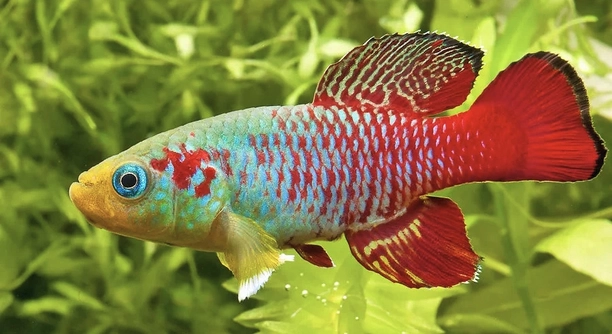
Keeping killi fish can be a rewarding hobby for many aquarium enthusiasts. These small, colorful fish are known for their unique patterns and easy care requirements. Many people wonder about the need for a heater when keeping killi fish in their tanks.
Killi fish can survive without a heater if the room temperature remains stable between 68°F and 75°F. However, sudden temperature drops or fluctuations may stress the fish and affect their health. Using a heater is often recommended for optimal well-being.
Learning how to maintain the right environment will help your killi fish stay healthy and active in your home aquarium. This article will explain the key factors to consider for their care.
Understanding Killi Fish Temperature Needs
Killi fish are native to various regions where water temperatures tend to be moderate. They usually thrive in temperatures ranging from about 68°F to 75°F (20°C to 24°C). Unlike tropical fish that require consistently warm water, killi fish can tolerate cooler environments if the temperature changes are gradual and not extreme. Sudden drops or spikes in temperature can cause stress, making them more vulnerable to disease. Because of this, many people choose to use heaters to maintain stable water conditions, especially in colder climates or during winter months. However, if the room temperature remains steady and within their comfort range, a heater may not be necessary. It’s important to monitor the water temperature regularly and avoid placing tanks near drafts, windows, or heating vents that can cause fluctuations. Proper filtration and water quality also play a significant role in their overall health.
Maintaining a stable temperature is key for killi fish survival without a heater. Sudden changes in temperature should be avoided at all costs.
Providing a calm, consistent environment helps killi fish live longer and reduces their stress levels. Paying attention to temperature alongside water cleanliness can make all the difference in keeping them healthy.
When to Use a Heater for Killi Fish
If your home’s temperature frequently falls below 68°F, it is safer to use a heater to protect your killi fish. Temperature swings that drop below their ideal range can slow their metabolism and increase the risk of illness. A reliable heater with a thermostat ensures the water remains within a safe zone, avoiding stress caused by cold water. Even if you live in a generally warm climate, night-time drops or seasonal changes can still affect the tank’s temperature. Using a heater also helps maintain a stable environment during these fluctuations. When choosing a heater, look for one designed for small tanks and easy temperature control. Regularly check the temperature with an aquarium thermometer to make sure conditions stay comfortable. A stable temperature promotes normal behavior, breeding, and overall well-being in killi fish.
Tank Setup for Killi Fish Without a Heater
Keeping the tank in a stable environment is crucial when not using a heater. Placing the aquarium away from windows, doors, or air vents helps prevent sudden temperature changes.
A well-insulated tank can help maintain temperature stability. Adding plants and decorations provides hiding spots that reduce stress. Live plants also improve water quality, which supports fish health. A good filtration system is essential for keeping the water clean and oxygenated. Regular water changes prevent buildup of harmful substances. Using a thermometer daily allows you to monitor the temperature closely and react quickly if it drops.
Choosing the right substrate and ensuring the tank is covered can limit heat loss. You might also consider placing the tank on a sturdy stand that doesn’t transfer cold from the floor. Avoid placing the aquarium in rooms with frequent drafts or high humidity changes, as these factors can cause fluctuations that stress the fish.
Feeding Killi Fish in Cooler Water
Feeding killi fish properly becomes more important when water temperature is lower. Their metabolism slows down in cooler water, so they eat less and digest food more slowly.
Feeding smaller amounts once or twice a day prevents leftover food from polluting the tank. Foods like live or frozen daphnia, brine shrimp, and bloodworms are good options that killi fish enjoy. Avoid overfeeding as it can lead to water quality problems and health issues. Observe your fish to see how much they eat and adjust portions accordingly. In cooler water, patience is necessary because fish may be less active and slower to respond during feeding time. Proper nutrition supports their immune system and keeps them strong despite lower temperatures.
Signs of Stress in Killi Fish Without a Heater
Killi fish may show signs of stress when the water temperature is too low. Common signs include lethargy, loss of appetite, and hiding more than usual. These behaviors suggest the fish are uncomfortable and need a more stable environment.
If stress continues, fish can become more prone to illness. Early detection of these signs is important to prevent serious health problems.
Maintaining Water Quality in Cooler Tanks
Water quality is just as important as temperature for killi fish. Even in cooler tanks, regular water changes and filtration keep the environment healthy. Poor water conditions combined with low temperatures can quickly harm the fish.
Adjusting Tank Lighting for Cooler Conditions
In cooler tanks, adjusting lighting can help maintain a natural cycle for killi fish. Too much light may cause algae growth, while too little can affect their activity levels. Finding a balance supports their health.
Choosing Tank Mates for Killi Fish
Select tank mates that thrive in similar cooler conditions. Avoid aggressive or tropical species that require higher temperatures. Compatible fish reduce stress and promote a peaceful environment.
Can killi fish survive in cold water without a heater?
Killi fish can survive in water without a heater if the temperature stays within a moderate range, typically between 68°F and 75°F (20°C to 24°C). They are more tolerant of cooler water than many tropical fish, but sudden or extreme drops in temperature can cause stress and harm. Stability is key for their health, so if your home’s room temperature remains steady and warm enough, a heater may not be necessary. However, if temperatures fluctuate or drop below their comfort zone regularly, it is better to use a heater to avoid health issues.
How do I know if my killi fish is too cold?
Signs your killi fish may be too cold include slow movement, hiding excessively, loss of appetite, and dull coloration. They may also appear lethargic or spend more time near the tank’s bottom. If you notice these behaviors, check the water temperature immediately. A thermometer is essential for accurate monitoring. Sudden temperature changes or consistently low temperatures below 68°F can lead to these symptoms, which indicate stress and potential health problems.
Is a heater necessary year-round for killi fish?
A heater is not always necessary year-round if your home maintains a stable temperature within the killi fish’s preferred range. During warmer months or in mild climates, natural room temperature may be sufficient. However, during colder seasons or in homes with air conditioning or drafts, a heater is recommended to prevent temperature drops that could stress the fish. Consistency in temperature supports their metabolism and immune system, so using a heater when needed helps ensure their long-term health.
What type of heater is best for a killi fish tank?
For a killi fish tank, it’s best to choose a small, adjustable heater designed for nano or small aquariums. These heaters provide precise temperature control without overheating the water. A heater with an automatic thermostat is ideal, as it maintains a consistent temperature and turns off when the desired warmth is reached. Make sure the heater fits your tank size and is fully submersible if required. Proper placement, away from direct contact with fish, ensures safety.
Can killi fish live with tropical fish that require heaters?
Killi fish prefer cooler temperatures compared to many tropical fish, which usually need water temperatures above 75°F. Housing them together can be difficult because of this temperature difference. Tropical fish may need a heater, while killi fish might get stressed in warmer water. It’s better to keep killi fish with other species that thrive in similar temperature ranges to avoid health issues for either group.
How often should I check the temperature in a heaterless killi fish tank?
Temperature should be checked daily in a tank without a heater, especially during cooler months or in homes with varying temperatures. Consistent monitoring helps catch any drops early before they stress the fish. Using a reliable aquarium thermometer makes this task easier. Regular checks allow you to adjust the environment or add a heater if needed to maintain a safe temperature range.
What should I feed killi fish in cooler water?
In cooler water, killi fish metabolism slows down, so they eat less and digest food more slowly. Feed small amounts once or twice a day with high-quality live or frozen foods like daphnia, brine shrimp, or bloodworms. Avoid overfeeding because uneaten food can degrade water quality. Monitor their eating habits closely and adjust portions to prevent waste. Proper nutrition supports their health, even when they are less active.
Can killi fish breed without a heater?
Killi fish can breed without a heater if the water temperature stays within a stable, suitable range. However, slightly warmer temperatures within their comfort zone encourage breeding behavior. If the tank is too cool or the temperature fluctuates, it may delay or prevent spawning. Maintaining clean water, providing hiding spots, and ensuring proper nutrition also support successful breeding.
How can I maintain water temperature without a heater?
Maintaining water temperature without a heater involves placing the tank in a warm, draft-free room, away from windows and vents. Using a tank cover helps reduce heat loss. Insulating the tank with foam or placing it on a stand that doesn’t conduct cold can help keep temperatures stable. Regular monitoring with a thermometer is essential. Avoid rapid water changes with cold water, which can shock the fish.
What are the risks of not using a heater for killi fish in cold climates?
In cold climates, not using a heater can cause temperature drops that stress killi fish, weaken their immune system, and increase susceptibility to illness. Prolonged exposure to cold water slows their metabolism, leading to lethargy and loss of appetite. If temperatures fall too low, it can cause fatal health problems. A heater is recommended in these conditions to maintain a safe, stable environment.
Killi fish are hardy little creatures that can often live comfortably without a heater if the water temperature stays within a moderate range. Their natural habitats include areas where the water temperature changes with the seasons, so they have some ability to adapt. However, this doesn’t mean they can handle extreme or sudden drops in temperature. It is important to keep their environment as stable as possible, especially if you decide not to use a heater. Paying close attention to the room temperature and avoiding places where drafts or cold air might reach the tank will help keep the fish comfortable.
Without a heater, careful tank setup becomes very important. Using plants, decorations, and proper filtration all contribute to a healthy space where killi fish can thrive. A good quality thermometer is a simple but valuable tool to monitor temperature regularly. If you notice the water getting too cold or fluctuating too much, it may be necessary to reconsider using a heater. Feeding habits can also change depending on the water temperature. Cooler water means slower metabolism, so adjusting feeding amounts and frequency helps prevent overfeeding and water quality problems. Keeping a balanced environment goes a long way in supporting the fish’s health and behavior.
While it is possible for killi fish to live well without a heater under the right conditions, there are situations when a heater is the safer choice. If the room temperature falls below their comfort zone often or if the climate is colder, a heater provides consistent warmth and reduces stress. Stability in temperature promotes better activity, feeding, and even breeding. Taking the time to learn about your fish’s needs and observing their behavior closely will guide you in making the best decision. In the end, ensuring a stable, clean, and comfortable home will help your killi fish live a happy and healthy life.

Hello,
If you enjoy the content that we create, please consider saying a "Thank You!" by leaving a tip.
Every little bit helps us continue crafting quality advice that supports the health, happiness, and well-being of pets around the world, for pets of all shapes, sizes, and species.
We really appreciate the kindness and support that you show us!