
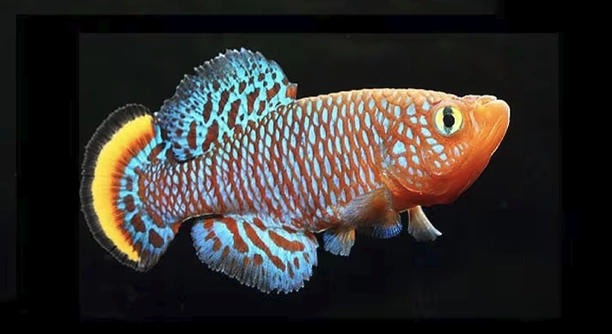
Killi fish are popular pets known for their bright colors and active behavior. Many owners want to provide the best care, including feeding them properly. Knowing what foods work well is essential for their health and happiness.
Killi fish can eat frozen foods safely, as these offer good nutrition and mimic their natural diet. Frozen foods like brine shrimp and bloodworms provide essential nutrients and are convenient for regular feeding. Proper thawing and portion control are important for their wellbeing.
Feeding your killi fish frozen foods can enhance their diet and support their vitality. This article explains how to choose and prepare frozen options for your fish.
Benefits of Feeding Killi Fish Frozen Foods
Frozen foods provide many benefits for killi fish. They are easy to store and keep fresh longer than live foods. Many frozen options retain their nutrients well, which helps support your fish’s health. These foods are also less likely to carry diseases compared to live prey. Feeding frozen foods can add variety to your killi fish’s diet, which prevents boredom and encourages natural hunting behavior. Since killi fish eat small insects and larvae in the wild, frozen brine shrimp, daphnia, and bloodworms are excellent choices. These options help ensure your fish get proteins, fats, and vitamins they need to thrive. Feeding frozen foods can also save time since they are ready to thaw and serve, unlike live foods that may require maintenance. Overall, frozen foods are a practical and healthy option that supports your killi fish’s well-being consistently.
Frozen foods can easily become a reliable part of your killi fish feeding routine.
Regularly feeding frozen foods helps maintain balanced nutrition for your fish.
How to Properly Prepare Frozen Foods for Killi Fish
Preparing frozen foods properly is important to keep your killi fish safe and healthy. Always thaw the food completely before feeding it. Thaw the frozen portion in a small container of aquarium water or at room temperature for a few minutes. Avoid using hot water or microwaves, as these can kill nutrients and change the food texture. After thawing, rinse the food gently to remove any excess thawing water that might contain unwanted substances. Feed only the amount your fish can consume in a few minutes to prevent water pollution. Using tweezers or a small spoon helps control portions and reduce mess. It’s also important to rotate different types of frozen foods to offer a well-rounded diet. Proper preparation ensures the food remains nutritious and fresh, contributing to your killi fish’s good health and active behavior.
Feeding frozen foods without proper preparation risks poor water quality and reduced nutrition.
Consistent care in thawing and portioning frozen foods protects your killi fish from potential harm.
Common Types of Frozen Foods for Killi Fish
Frozen brine shrimp are a popular choice, rich in protein and easy to digest. Bloodworms offer good nutritional value and appeal to most killi fish. Daphnia provides fiber and helps with digestion. These foods mimic natural prey well.
Brine shrimp are small crustaceans that offer high protein and low fat, perfect for killi fish diets. Bloodworms, the larvae of midge flies, provide essential nutrients and stimulate feeding activity. Daphnia, a type of water flea, contains fiber that helps with digestion and keeps your fish’s gut healthy. Using a variety of these frozen foods can keep your killi fish interested and well-fed. They are convenient and widely available in pet stores or online.
It is important to vary the frozen foods offered to avoid nutritional gaps. Rotating between brine shrimp, bloodworms, and daphnia supports a balanced diet and promotes your killi fish’s natural feeding habits.
Potential Risks of Feeding Frozen Foods
Frozen foods can sometimes carry bacteria if not stored properly. Thawed food left too long can spoil quickly, causing water contamination. Overfeeding frozen foods may lead to poor water quality and health issues for your fish.
Proper storage is essential. Keep frozen foods at a consistent, low temperature to prevent spoilage. Always check for signs of freezer burn or unusual odor before feeding. Thaw only the amount you plan to use immediately, and never refreeze thawed portions. Maintaining good aquarium hygiene helps minimize risks related to frozen foods. Regular water changes and proper filtration reduce the buildup of waste and prevent illness in your killi fish. When handled correctly, frozen foods can be a safe, nutritious option for your fish without adverse effects.
Signs Your Killi Fish Enjoys Frozen Foods
Killi fish often become more active when offered frozen foods. They may eagerly swim toward the food and show natural hunting behavior. Bright colors and quick movements during feeding are good signs.
You might notice your fish eating all the food quickly and showing curiosity around feeding time. Healthy appetite and lively behavior indicate they enjoy and benefit from frozen foods.
Alternatives to Frozen Foods for Killi Fish
Live foods such as mosquito larvae, small worms, and tiny insects can also be fed to killi fish. These mimic their natural diet closely and stimulate natural feeding instincts. Freeze-dried options provide convenience but may lack some nutrients.
How Often to Feed Frozen Foods
Feeding frozen foods two to three times a week provides good nutritional balance. Overfeeding can lead to water quality problems and obesity in killi fish. Monitoring your fish’s behavior and appetite helps adjust feeding frequency for best results.
FAQ
Can killi fish eat only frozen foods?
Killi fish can survive on a diet consisting mainly of frozen foods, but variety is important. Relying solely on frozen options might cause some nutritional gaps over time. Mixing in live foods or high-quality dry flakes helps provide a more balanced diet and stimulates natural behaviors.
How do I thaw frozen foods safely?
Thaw frozen foods by placing them in a small container with aquarium water or letting them sit at room temperature for a few minutes. Avoid microwaving or using hot water, as this can reduce nutrients and alter texture. Always rinse the thawed food lightly to remove excess thaw water.
What types of frozen foods are best for killi fish?
The best frozen foods for killi fish include brine shrimp, bloodworms, and daphnia. These foods offer essential nutrients like protein and fiber that support growth and digestion. Using a variety helps keep feeding interesting and nutritious.
Can frozen foods cause water pollution?
Yes, uneaten or spoiled frozen foods can pollute aquarium water quickly. Overfeeding is a common issue, leading to leftover food that decomposes and harms water quality. Feed small portions your fish can finish in a few minutes and remove any uneaten food promptly.
How often should I feed frozen foods to killi fish?
Feeding frozen foods two to three times a week is generally enough to provide good nutrition. On other days, you can offer live foods or high-quality flakes. Adjust feeding based on your fish’s appetite, activity level, and tank conditions.
Are there risks in feeding frozen foods?
If frozen foods are not stored or handled properly, they can carry bacteria or parasites. Always keep frozen foods in a proper freezer and check for freezer burn or foul smell before feeding. Thaw only what you need to avoid spoilage and maintain water cleanliness.
Can killi fish get sick from frozen foods?
Sickness from frozen foods usually comes from poor handling rather than the foods themselves. Spoiled or contaminated frozen foods can introduce harmful bacteria into the tank. Maintaining good food hygiene and proper aquarium care reduces these risks.
What signs show killi fish dislike frozen foods?
If killi fish ignore frozen foods or show no interest during feeding, they may prefer live foods or need time to adjust. Slow eating or leftover food after feeding can also indicate dislike. Gradually mixing frozen with live foods can help improve acceptance.
Is it necessary to supplement frozen foods with vitamins?
Frozen foods often lose some nutrients during freezing and thawing, so occasional vitamin supplementation may benefit your killi fish. Use liquid vitamin drops designed for aquarium use, but avoid over-supplementing, which can harm fish health.
Can I feed frozen foods to baby killi fish?
Baby killi fish need very small, soft foods like freshly hatched brine shrimp or micro worms. Some frozen foods can be fed if finely chopped or crushed into tiny pieces. Ensure the food size matches the mouth size of your fry to avoid choking or waste.
Frozen foods can be a valuable part of feeding killi fish. They provide a good source of nutrition that is often closer to what these fish eat in the wild. With options like brine shrimp, bloodworms, and daphnia, frozen foods offer proteins, fats, and vitamins necessary for healthy growth and activity. They are easy to store and convenient to prepare, making them a practical choice for many fish owners. When handled properly, frozen foods help maintain a balanced diet and can contribute to the overall wellbeing of your killi fish.
It is important to remember that variety matters when feeding killi fish. Relying on frozen foods alone may not cover all nutritional needs, so including live foods or quality dry foods can help fill any gaps. Proper thawing and portion control are essential to prevent water quality problems and ensure your fish get the most benefit from their meals. Overfeeding or feeding spoiled frozen foods can lead to health issues or tank pollution. Observing your fish’s behavior and appetite regularly helps you adjust feeding amounts and frequencies to suit their needs.
Taking the time to prepare and offer frozen foods correctly can improve your killi fish’s diet and enjoyment. Feeding frozen foods two to three times a week while rotating with other food types encourages natural feeding habits and supports long-term health. Maintaining good aquarium care, including regular water changes and cleaning, also plays a key role in keeping your fish healthy. Overall, frozen foods are a reliable and nutritious addition to your killi fish feeding routine when used thoughtfully and carefully.

Hello,
If you enjoy the content that we create, please consider saying a "Thank You!" by leaving a tip.
Every little bit helps us continue crafting quality advice that supports the health, happiness, and well-being of pets around the world, for pets of all shapes, sizes, and species.
We really appreciate the kindness and support that you show us!