
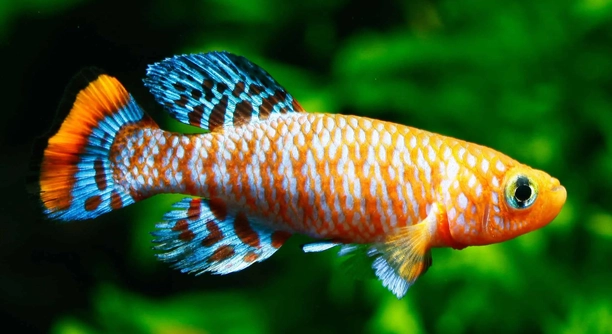
Maintaining stable pH levels is important for keeping killifish healthy in their tanks. Proper water conditions help these delicate fish thrive and avoid stress or illness. Many fishkeepers want to know how to keep pH steady for killis.
The key to maintaining stable pH for killifish involves regular water testing, using buffering agents, and avoiding sudden changes in tank conditions. Consistent monitoring and gradual adjustments prevent harmful fluctuations and support a balanced aquatic environment.
Learning these steps can improve your killifish’s well-being and create a more stable, healthy habitat for them to flourish.
Understanding pH and Its Importance for Killifish
pH measures how acidic or alkaline the water is, which is crucial for killifish health. These fish usually prefer slightly acidic to neutral water, around 6.0 to 7.0 pH. If the pH swings too high or too low, it can cause stress, reduce their immunity, and even lead to death. Maintaining stable pH helps their metabolism and breeding success. The pH can change due to tap water differences, leftover food, decaying plants, or poor filtration. Testing the water regularly with a reliable pH kit allows you to catch these changes early. Avoid sudden shifts by changing water slowly and in small amounts. Using driftwood or peat moss can naturally lower pH, while crushed coral can help raise it if needed. Knowing how your water source behaves and adjusting tank care accordingly will keep your killifish comfortable and healthy.
Stable pH prevents illness and creates a safe home for killifish to thrive.
Consistent water monitoring is the best way to maintain the ideal pH level. Testing weekly or biweekly gives you a clear picture of your tank’s chemistry. If pH changes, address the cause by cleaning the tank or adjusting additives. Keep water changes regular but gradual to avoid shocking the fish. Using natural materials like driftwood helps maintain pH without chemicals. If your water is too alkaline, consider adding peat or almond leaves. For acidic water that is too low, adding a small amount of crushed coral can help raise pH slowly. Always make changes gradually over several days. Observing your killifish behavior also helps—lethargy or gasping can mean pH stress. A balanced pH means healthier fish, better color, and more successful breeding.
Tools and Techniques for Stabilizing pH
Regular testing is essential for keeping pH stable in killifish tanks.
Using a good-quality liquid test kit or digital meter ensures accurate readings. Test kits with color charts are common and easy to use but check expiration dates for accuracy. Digital meters need calibration but provide precise data. Record results to notice trends over time. When adjusting pH, make changes slowly to avoid shocking the fish. Partial water changes using water treated to the correct pH help maintain stability. Adding natural buffers like peat moss, driftwood, or Indian almond leaves can gradually lower pH and soften water. If the water is too soft or acidic, crushed coral or limestone pieces can raise pH and hardness. Avoid chemical additives unless necessary, as they may cause sudden shifts. Maintaining consistent filtration and cleaning schedules reduces organic waste buildup, which affects pH. Combining careful monitoring and gentle adjustments ensures a healthy environment for killifish.
Common Causes of pH Fluctuations
pH changes often come from organic waste, uneven water changes, or poor filtration. These factors increase acidity or alkalinity unexpectedly, which stresses killifish.
Decaying food, fish waste, and dead plants release acids, lowering pH over time. If the filter isn’t cleaned regularly, these wastes build up, accelerating pH drops. Uneven water changes can also cause swings if new water differs in pH from tank water. Sudden introduction of chemicals or water conditioners can change pH sharply. Monitoring these causes and keeping up with regular maintenance reduces drastic shifts. Keeping the tank clean and removing uneaten food helps prevent acid buildup. Water changes should match the tank’s pH as closely as possible.
Environmental factors like tap water quality and tank decorations also influence pH. Some water sources naturally have high or low pH, which affects the tank. Driftwood or peat in the tank can gradually lower pH. On the other hand, limestone or coral can raise it. Knowing your water source and the materials inside the tank helps predict and control pH changes. Regular testing and adjustments make a big difference for killifish health.
Tips for Long-Term pH Stability
Consistent care is essential for maintaining stable pH levels in killifish tanks.
Start by testing your tap water to understand its baseline pH. Use this information to choose the right buffering materials for your tank. Keep a regular schedule for water changes, ideally 20-30% weekly, and always match the new water’s pH as closely as possible. Avoid adding chemicals suddenly, as killifish respond best to gradual changes. Use natural additives like driftwood or peat moss to gently adjust pH without harsh effects. Clean the tank and filter regularly to remove waste that could affect acidity. Observe your fish daily for signs of stress, which can indicate pH problems. Patience and routine monitoring are key to long-term success.
How to Test pH Accurately
Using a reliable test kit or digital meter is essential for accurate pH readings. Always follow the instructions carefully for best results.
Test water at the same time and place each time to get consistent readings. Keep test supplies clean and store them properly to avoid contamination.
Adjusting pH Safely
Make pH changes slowly by mixing treated water with tank water before adding it. Avoid sudden shifts to protect your killifish. If using additives, follow dosage instructions closely and test water frequently during adjustments. Patience helps prevent stress and keeps fish healthy.
Signs of pH Stress in Killifish
Killifish may show lethargy, loss of appetite, or rapid gill movement when stressed by pH changes. Watch for unusual swimming or hiding behavior as well.
Importance of Regular Water Changes
Frequent water changes dilute waste and keep pH stable, creating a healthier environment for killifish.
What is the ideal pH range for killifish?
Killifish generally thrive in a pH range of 6.0 to 7.0. This slightly acidic to neutral range mimics their natural habitat and supports their health and breeding. Staying within this range helps prevent stress and disease, making it easier for killifish to live longer and stay active.
How often should I test the pH in my killifish tank?
It’s best to test the pH at least once a week. Regular testing helps catch any sudden changes early before they harm your fish. If you’re making adjustments or notice signs of stress in your fish, test more often until levels stabilize.
Can I use tap water directly for water changes?
Tap water can be used, but it must be treated first to remove chlorine, chloramines, and heavy metals. Also, check its pH because it may differ from your tank’s. Adjusting the tap water pH before adding it to your tank helps avoid sudden pH swings.
How do I safely adjust pH without stressing my killifish?
Adjust pH gradually over several days. Make small water changes with treated water that matches your tank’s pH as closely as possible. Avoid adding chemicals all at once. Using natural materials like driftwood or crushed coral helps change pH gently and steadily.
What causes sudden pH drops in a killifish tank?
Sudden pH drops often happen due to buildup of organic waste like uneaten food, fish waste, or decaying plants. Poor filtration or irregular water changes can worsen this. Acidic substances from tank decorations like peat moss also contribute. Keeping the tank clean and stable limits sudden shifts.
Are chemical pH stabilizers safe for killifish?
Some chemical stabilizers can be safe but often cause rapid pH changes that stress fish. It’s better to use natural methods like adding driftwood or crushed coral and keep the tank well maintained. If you use chemicals, follow instructions closely and monitor your fish carefully.
How does temperature affect pH in the tank?
Temperature can influence pH because warmer water holds less dissolved gas like CO2, which affects acidity. Higher temperatures may cause pH to rise slightly. Keep tank temperature stable, as sudden changes can stress fish and upset pH balance.
Why is my pH fluctuating even though I do regular water changes?
If your pH still fluctuates, the problem might be tap water inconsistency or buildup of organic matter in the tank. Also, the buffering capacity of your water (its hardness) might be low, making pH more sensitive. Testing water hardness and using buffering materials helps reduce swings.
Can plants help maintain stable pH?
Live plants absorb CO2 and release oxygen, which can help balance pH. However, decaying plant matter can lower pH by releasing acids. Healthy, well-maintained plants can be beneficial, but dead or rotting plants should be removed promptly.
What signs indicate my killifish are stressed by pH issues?
Signs include sluggish movement, loss of appetite, gasping at the surface, clamped fins, or hiding more than usual. Watch for sudden color fading or unusual swimming patterns. These behaviors signal that water quality, including pH, needs attention.
Maintaining a stable pH in your killifish tank is an important part of keeping these beautiful fish healthy and happy. Killifish are sensitive to sudden changes in their water environment, so it’s best to keep the pH level steady within the ideal range of about 6.0 to 7.0. When the pH moves too high or too low, it can cause stress, weaken their immune system, and affect their behavior. By regularly testing your water and making slow, careful adjustments, you help create a comfortable and safe habitat for your killifish to thrive.
There are many simple steps you can take to keep pH stable. Start by understanding your tap water’s pH and hardness, since these influence the tank’s chemistry. Use natural materials like driftwood or crushed coral to gently adjust pH if needed. Avoid sudden water changes or chemical additives that can cause sharp swings. Cleaning the tank regularly and removing uneaten food helps prevent waste buildup, which can lower pH. Keeping a consistent schedule for testing and water changes is key. Watching your fish closely will also help you spot any signs of stress early, so you can take action before problems get worse.
Stable water conditions contribute to the overall well-being of your killifish. Healthy pH levels support their metabolism, encourage natural colors to shine, and improve breeding success. Taking time to learn about your tank’s needs and paying attention to small changes will make a big difference. Over time, maintaining the right pH becomes part of your routine and gives you confidence that your killifish are living in the best environment possible. With patience and care, you can enjoy the beauty and vitality of your killifish for years to come.

Hello,
If you enjoy the content that we create, please consider saying a "Thank You!" by leaving a tip.
Every little bit helps us continue crafting quality advice that supports the health, happiness, and well-being of pets around the world, for pets of all shapes, sizes, and species.
We really appreciate the kindness and support that you show us!