
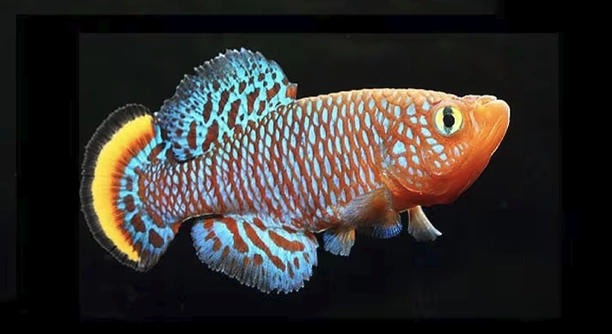
Are your killi fish suddenly gathering in tight groups? This behavior can seem unusual and may worry you as a fish keeper. Understanding why they pile together can help you maintain a healthy environment for your aquatic pets.
Killi fish pile together primarily due to environmental stress or social behavior. Factors such as water quality, temperature changes, or lack of hiding spots can cause them to cluster. This behavior helps them feel safer and reduces stress in their habitat.
Recognizing the reasons behind this behavior can help improve their tank conditions and promote their well-being over time.
Common Causes of Killi Fish Piling
One main cause of killi fish piling together is stress from their environment. Changes in water temperature or poor water quality can make them feel unsafe, leading them to cluster. If the tank lacks enough hiding spots, killi fish tend to group up to feel protected. Another reason could be social behavior, as these fish sometimes gather to interact or establish territory. Overcrowding can also make them stick together, as they compete for space. Monitoring the tank’s cleanliness and maintaining stable water conditions will help reduce this behavior. Sometimes, the fish pile because they are sick or injured, seeking comfort in numbers. Observing their health closely and acting promptly can prevent problems from worsening. Ensuring the tank mimics their natural habitat as much as possible will support their well-being and keep them from feeling the need to pile up.
Keeping a clean, well-planted tank is essential for their comfort and security.
Providing enough space and hiding places reduces stress and encourages natural behavior.
How to Improve Tank Conditions
Regular water testing is important to keep conditions stable. Clean the tank and perform partial water changes weekly to maintain good quality. Adding plants or decorations can create safe hiding spots and break up open areas where fish might feel exposed. Make sure the tank is not overcrowded by following recommended stocking levels for killi fish. Feeding them a balanced diet also helps maintain their health and reduces stress. Watching your fish daily allows you to notice changes in behavior early. If you see any signs of illness, consider consulting a specialist. Small adjustments to the environment can greatly improve your fish’s comfort and reduce piling behavior.
Adjusting the environment helps killi fish feel secure and promotes healthier social interactions.
Improving tank conditions requires regular maintenance and attention to their specific needs to prevent stress-related behavior.
Creating a habitat that resembles their natural surroundings will help them thrive and display more natural activity levels.
Signs of Stress in Killi Fish
Stress often causes killi fish to pile together. Look for signs like rapid gill movement, loss of color, or erratic swimming. These symptoms usually indicate that something in their environment is causing discomfort or anxiety, requiring immediate attention to prevent health issues.
Poor water quality is a common stress factor. High ammonia or nitrite levels can irritate fish, making them seek safety in groups. Sudden temperature shifts also cause stress and abnormal behavior. Overcrowding reduces space for swimming and increases competition for food, leading to tension. Inadequate hiding spots contribute to their anxiety, as killi fish need places to retreat and feel secure. Regular tank maintenance and proper stocking can prevent these problems.
Stress weakens their immune system, increasing susceptibility to disease. Behavioral changes like piling together are coping mechanisms to reduce perceived threats. Ensuring stable, clean water, and a well-arranged tank with plants or decorations helps minimize stress. Observing your fish closely allows you to spot early warning signs and respond promptly, improving their overall health and happiness.
Feeding Habits and Group Behavior
Killi fish sometimes pile together during feeding. They gather quickly around food, competing for scraps in a tight group. This behavior can seem alarming but is natural and related to their social dynamics.
Feeding habits impact group behavior because killi fish are opportunistic feeders. In the wild, they often hunt in small groups. In captivity, food distribution affects how they interact. Uneven feeding can cause competition, increasing piling. Using feeding rings or spreading food evenly helps reduce crowding and stress. Providing a balanced diet with appropriate portions keeps them healthy and less aggressive. Observing feeding times also helps identify if piling is linked to hunger or other factors affecting their comfort in the tank.
Seasonal Changes and Behavior
Seasonal shifts can affect killi fish behavior, causing them to pile more often. Changes in light, temperature, or water conditions may trigger this response. These adjustments mimic their natural environment, where such factors influence their activity and social habits.
Piling during seasonal changes helps fish conserve energy and stay warm. It is a natural coping mechanism that allows them to adjust to fluctuations and maintain comfort despite external stressors.
Tank Size and Fish Grouping
Small tanks often force killi fish to stay close together. Limited space restricts movement and increases encounters, which can lead to piling. A larger tank gives them room to spread out and reduces stress.
Monitoring Water Parameters
Regularly checking water parameters like pH, ammonia, and nitrate levels is essential. Unstable conditions encourage piling behavior, so keeping these factors balanced supports a healthier tank environment.
FAQ
Why are my killi fish piling together at the bottom of the tank?
Killi fish often gather at the bottom when they feel stressed or insecure. This behavior can be triggered by poor water quality, low oxygen levels, or sudden temperature changes. The bottom provides a sense of safety because it has fewer disturbances and more hiding spots. Make sure to test water regularly and maintain proper filtration and aeration to keep them comfortable.
Is it normal for killi fish to pile up during feeding times?
Yes, it is quite normal. Killi fish are naturally opportunistic feeders and tend to rush towards food quickly. This can cause them to cluster in one spot while competing for available food. Spreading food evenly or using feeding rings can help reduce crowding and stress during feeding.
Could overcrowding cause my killi fish to pile together?
Absolutely. Overcrowding limits space and increases competition, causing fish to bunch up. Each fish needs enough room to swim freely and claim territory. Consider the tank size and number of fish to avoid stress caused by limited space.
Can poor water quality make killi fish pile together?
Poor water quality is a common reason for stress-related piling. High ammonia, nitrite, or nitrate levels irritate fish and cause them to seek safety together. Regular water testing and timely water changes are key to maintaining a healthy environment.
Do killi fish pile together when they are sick?
Yes, sickness can cause fish to behave abnormally, including piling together. Sick fish may seek comfort in groups to reduce stress or because they feel weaker. Watch for other signs of illness like lethargy, discoloration, or loss of appetite.
How can I reduce piling behavior in my killi fish tank?
Improving tank conditions is essential. Keep the water clean and stable, provide enough hiding places, avoid overcrowding, and ensure even feeding. Adding plants and decorations helps break sightlines and makes fish feel secure. Regular monitoring and prompt action help maintain balance.
Are seasonal changes responsible for my killi fish piling?
Seasonal changes can influence their behavior. Variations in light, temperature, and water parameters mimic natural conditions, causing fish to adjust by piling up. This helps conserve energy and cope with changing surroundings.
Does the tank size affect killi fish piling?
Tank size plays a big role. Smaller tanks limit swimming space, causing fish to stay close and pile. Larger tanks offer room for movement and help reduce stress-related grouping. Always choose an appropriately sized tank for your fish.
Is it okay if killi fish pile during nighttime?
Yes, it can be normal. At night, fish tend to rest and may gather for warmth and protection. However, if piling happens all day long or seems excessive, it may signal an underlying problem.
What should I do if piling continues despite good tank conditions?
Sometimes, piling is just part of their social behavior, especially if fish are healthy and active otherwise. Observe their interactions and health closely. If no signs of stress or illness appear, it might simply be natural grouping.
Can changing the tank layout help with piling?
Yes, rearranging decorations and plants can encourage fish to spread out. Providing more hiding spots and visual barriers reduces stress and territorial disputes, which helps lower piling behavior.
How often should I test water to prevent piling caused by poor conditions?
Testing water weekly is a good practice. Keeping track of ammonia, nitrite, nitrate, and pH levels allows early detection of problems. Acting quickly on changes keeps the tank stable and fish comfortable.
Are there any signs that piling is harmful to my killi fish?
If piling leads to constant stress, lack of movement, or injury from crowding, it can be harmful. Watch for signs like fin damage, slowed breathing, or sudden health decline. Address environmental factors promptly to protect your fish.
Final Thoughts
Killi fish piling together is usually a natural response to their environment or social needs. This behavior often signals that something in the tank may need attention, such as water quality, space, or temperature. Understanding these causes helps you provide better care for your fish and create a more comfortable habitat. It’s important to observe your fish regularly and notice any changes in their behavior or appearance. Early detection of issues can prevent bigger problems and keep your fish healthy.
Maintaining a clean, well-balanced tank with proper filtration and temperature control is essential. Providing enough space and hiding spots helps reduce stress and encourages natural behaviors. Feeding your killi fish evenly and monitoring their health are also key to preventing piling caused by competition or illness. Remember, small adjustments in their environment can make a big difference in how they behave. Consistent care and attention will help your killi fish thrive and display more natural, relaxed activity.
While piling behavior can sometimes be normal, it should not be ignored if it seems excessive or linked to stress. Keeping water parameters stable, avoiding overcrowding, and creating a safe space in the tank will support your fish’s well-being. If piling continues despite good conditions, it may just be part of their social interaction, but staying attentive is important. Overall, a balanced and calm environment is the best way to help your killi fish feel secure and live healthily.

Hello,
If you enjoy the content that we create, please consider saying a "Thank You!" by leaving a tip.
Every little bit helps us continue crafting quality advice that supports the health, happiness, and well-being of pets around the world, for pets of all shapes, sizes, and species.
We really appreciate the kindness and support that you show us!