
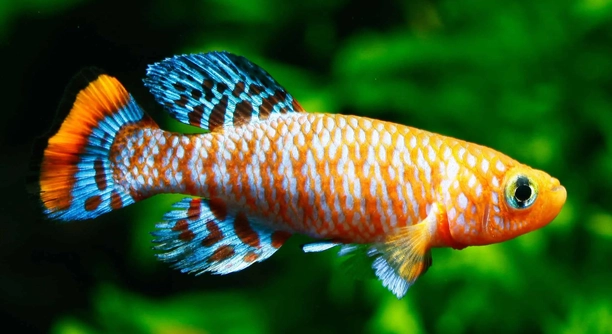
Killi fish and shrimp are popular choices for many freshwater aquariums. They bring life and activity to tanks, making them enjoyable to watch. Understanding how these two species interact helps create a peaceful environment for both.
Killi fish typically view shrimp as potential prey but may coexist peacefully if the shrimp are large enough or have plenty of hiding places. Their interaction depends on tank size, species behavior, and environmental conditions.
Learning about these dynamics will help maintain harmony in your aquarium and promote the well-being of both killi fish and shrimp.
Killi Fish Behavior Around Shrimp
Killi fish are small but active predators that often show interest in shrimp. Their natural instinct makes them curious about anything that moves in their tank. Depending on the species of killi fish, their aggression levels vary. Some killis are more peaceful and may ignore shrimp, while others actively hunt smaller shrimp. Providing plenty of hiding spots helps shrimp feel safe and reduces stress. Shrimp use plants, rocks, and decorations to escape potential threats. Tank size also plays a role—smaller tanks increase encounters, making interactions more tense. Monitoring behavior is important, especially when introducing new shrimp. Over time, killis can become less aggressive as they grow accustomed to their tankmates. Understanding these behaviors supports a balanced aquarium where both species can thrive.
Shrimp and killi fish can coexist when the tank environment supports natural hiding and reduces direct confrontations.
Keeping the tank well-planted with ample hiding spaces is key. Shrimp rely on these areas to avoid being eaten. Live plants, moss, and dense decorations serve this purpose well. Using larger shrimp species or adult shrimp can also lower predation risk, as killis are less likely to attack bigger tankmates. Feeding killis adequately reduces their hunting drive, helping maintain peace. Observing interactions regularly allows for early intervention if problems arise. Adjusting the tank setup or separating aggressive individuals can prevent harm. Balancing these factors creates a healthier aquarium environment for all inhabitants.
Feeding Habits and Impact on Interaction
Killi fish are carnivores, feeding mainly on small live foods, including shrimp larvae. Adult shrimp might be less vulnerable if killis have sufficient alternative food sources. Proper feeding reduces hunting behavior, lowering risk to shrimp. Feeding small portions often prevents hunger-driven aggression, allowing shrimp to remain safer. A well-fed killifish is less likely to chase or eat shrimp hiding nearby. The feeding routine directly influences daily interactions, making consistent care important.
Feeding killis with a varied diet minimizes their interest in shrimp as food.
Providing a balanced diet is essential for controlling killi fish behavior. They require protein-rich foods such as brine shrimp, daphnia, or bloodworms. Supplementing with high-quality pellets ensures nutritional needs are met. When killis receive regular meals, they tend to focus less on tankmates, including shrimp. Shrimp also benefit from occasional feedings of algae wafers or plant-based food, supporting their health. Proper nutrition reduces competition and stress within the tank. Additionally, feeding in different areas of the aquarium can distract killis from shrimp hiding spots. Maintaining this routine helps keep the ecosystem stable and minimizes conflict between species.
Tank Setup for Peaceful Coexistence
Creating a balanced environment is essential for killi fish and shrimp to live together. Adequate space and hiding spots reduce stress and aggression.
Plants like Java moss and dense foliage provide excellent cover for shrimp. Rocks and driftwood create natural barriers that limit direct encounters. Using a tank of at least 10 gallons gives enough room for both species to establish territories and avoid constant conflict. Water conditions should be stable, with parameters suitable for both killis and shrimp. Regular maintenance helps keep the environment healthy, preventing stress that can increase aggression.
Filtration and gentle water flow are important to maintain water quality without disturbing shrimp. Soft lighting mimics natural conditions, making shrimp feel more secure. Avoid overcrowding by keeping a moderate number of fish and shrimp, as too many inhabitants can lead to competition and stress. This setup encourages a peaceful community where both species thrive.
Observing and Managing Aggression
Aggression can appear when killis feel threatened or hungry. Watching their behavior closely allows early action to prevent harm.
Signs of aggression include chasing, nipping, or shrimp hiding excessively. If these occur, increasing hiding places or feeding frequency can help calm killis. Separating particularly aggressive individuals may be necessary. Gradual introduction of shrimp into the tank reduces stress for both species. Avoid sudden changes to the environment, as this can trigger aggression.
Maintaining a calm environment with steady routines is key. Monitoring water parameters and feeding schedules supports balanced interactions. If aggression persists, adjusting tank mates or setup may be required. Taking prompt action ensures a safer habitat for shrimp and killi fish alike.
Ideal Water Conditions
Maintaining stable water conditions benefits both killi fish and shrimp. Clean, well-filtered water with consistent temperature reduces stress.
A temperature range between 72°F and 78°F works well. pH should stay around neutral, between 6.5 and 7.5, to suit both species.
Compatibility of Different Species
Not all killi fish species interact with shrimp the same way. Some are more aggressive hunters, while others coexist peacefully. Selecting less aggressive killis increases the chance of harmony in the tank. Researching species traits helps in choosing compatible tank mates, reducing conflicts and stress.
Shrimp Species to Consider
Larger shrimp like Amano or Caridina are less likely to be preyed upon by killis. Their size offers protection compared to smaller shrimp species, making them a safer choice for community tanks.
Monitoring Tank Health
Regular checks of water quality and fish behavior help maintain a balanced aquarium. This ensures all species remain healthy and safe.
FAQ
Can killi fish and shrimp live together peacefully?
Killi fish and shrimp can coexist, but it depends on the species and tank conditions. Some killi fish are less aggressive and can tolerate shrimp if the tank has plenty of hiding spots. Larger shrimp are less likely to be eaten. Proper feeding and enough space reduce conflicts.
What shrimp species are safest with killi fish?
Larger shrimp species like Amano shrimp and Caridina are safer options. Their size makes them less attractive as prey. Smaller shrimp, especially juveniles or shrimp larvae, are more vulnerable and may be hunted by killis.
How can I prevent killi fish from eating my shrimp?
Providing dense plants, moss, and decorations helps shrimp hide. Feeding killis regularly with high-protein foods reduces their hunting drive. Using a larger tank and avoiding overcrowding also lowers stress and aggression. Monitoring behavior and separating aggressive fish if needed is important.
Do killi fish eat shrimp eggs?
Yes, killi fish may eat shrimp eggs if given the chance. Shrimp eggs are small and easy prey. To protect them, place shrimp in heavily planted areas or breeding traps during spawning periods.
What tank size is recommended for keeping killi fish with shrimp?
A minimum of 10 gallons is recommended. This gives enough space for shrimp to find shelter and for killis to establish territories. Larger tanks improve water quality and reduce encounters, which helps maintain peace.
Are there specific water parameters both species prefer?
Both killi fish and shrimp thrive in water with a temperature between 72°F and 78°F and a pH around 6.5 to 7.5. Stable and clean water is crucial. Regular water changes and good filtration keep conditions ideal.
Can feeding routines affect their interactions?
Yes, feeding killis well decreases their interest in shrimp. Protein-rich foods like bloodworms or brine shrimp reduce hunting behavior. Feeding several small meals a day helps maintain a calm tank atmosphere.
What signs show killi fish are aggressive towards shrimp?
Aggressive behavior includes chasing, nipping, or constant shrimp hiding. If shrimp seem stressed or injured, it is a sign killis may be too aggressive. Increasing hiding spaces or separating fish may be necessary.
Is it better to introduce shrimp or killi fish first?
Introducing shrimp first allows them to settle and find hiding spots before killis arrive. This reduces initial stress. Introducing both at the same time can increase tension and aggression.
How often should tank conditions be checked?
Water parameters like temperature, pH, ammonia, nitrite, and nitrate should be tested weekly. Observing fish and shrimp behavior daily helps catch early signs of stress or aggression.
Can killi fish and shrimp breed in the same tank?
Yes, both can breed in the same tank if conditions are right. However, killis may eat shrimp larvae, so providing plenty of hiding spots is crucial. Separating shrimp eggs or larvae can improve survival rates.
What plants are best for shrimp to hide from killi fish?
Java moss, hornwort, and dense leafy plants offer excellent cover. Floating plants also reduce light and provide extra shelter. These plants create safe zones and reduce visibility for predators.
Are certain killi fish species recommended for community tanks with shrimp?
Species like Fundulopanchax gardneri are less aggressive and more suitable for community tanks. Avoid highly aggressive species if you want shrimp to survive and thrive.
How can I tell if my shrimp are stressed by killi fish?
Shrimp that hide constantly, refuse to eat, or show signs of injury may be stressed. Stress weakens their immune system, making them vulnerable to disease. Adjusting tank setup can reduce stress.
Is it necessary to separate aggressive killis from shrimp?
Yes, if aggression persists despite tank adjustments, separating aggressive killis protects shrimp. Using a divider or separate tank prevents injury and improves overall tank harmony.
This FAQ covers common concerns about keeping killi fish with shrimp. Careful planning and monitoring create a safe and peaceful aquarium for both species.
Final Thoughts
Keeping killi fish and shrimp together requires thoughtful planning to ensure a peaceful aquarium. Both species bring unique qualities to a tank, but their natural behaviors can sometimes clash. Killi fish are active hunters, and shrimp can be seen as potential prey. This makes the setup and care of the tank very important. Providing enough space, hiding spots, and stable water conditions can greatly reduce stress and aggression. When these needs are met, both killi fish and shrimp can live comfortably in the same environment.
Feeding routines and tank maintenance also play a key role in maintaining harmony. A well-fed killi fish is less likely to chase shrimp, while a clean, stable tank supports the health of all its inhabitants. Regular water testing and gentle filtration help keep conditions ideal. Shrimp benefit from dense plants and decorations that offer protection. Larger shrimp species tend to be safer tank mates, as they are less likely to be seen as food. Observing behavior carefully allows for timely adjustments if aggression appears, helping to prevent injuries or stress.
Ultimately, success comes down to balancing the needs of both killi fish and shrimp. Choosing compatible species, creating a suitable habitat, and managing feeding habits are essential steps. Attention to detail and patience will help you build a peaceful community tank. Both species add life and interest to an aquarium, making it enjoyable to watch. With proper care, killi fish and shrimp can coexist, providing a beautiful and dynamic aquatic display.

Hello,
If you enjoy the content that we create, please consider saying a "Thank You!" by leaving a tip.
Every little bit helps us continue crafting quality advice that supports the health, happiness, and well-being of pets around the world, for pets of all shapes, sizes, and species.
We really appreciate the kindness and support that you show us!