
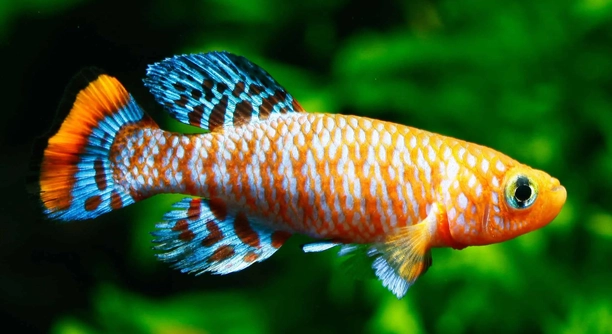
Are your killi fish spending more time hiding than swimming freely, especially when the tank gets loud or busy around them?
Killi fish generally do not enjoy loud tanks. Excessive noise and vibrations can lead to stress, disrupt their natural behavior, and impact their overall health. Maintaining a calm and quiet environment supports their well-being and longevity.
Understanding how sound affects your killi fish can help you create a more peaceful, healthy home for them to thrive in every day.
Why Noise Affects Killi Fish Behavior
Killi fish are sensitive to changes in their environment, especially sound. Loud noises or strong vibrations can create stress, making them more likely to hide or become less active. Since they are naturally shy and easily startled, tanks placed near speakers, televisions, or high-traffic areas may affect their comfort. Stress in fish can lead to weakened immune systems, irregular swimming patterns, and even reduced lifespan. These sounds don’t need to be constant to have an impact—sudden noises or repeated disruptions are enough to unsettle them. Killi fish thrive best in calm, stable environments where lighting, temperature, and sound remain consistent. Creating a space where they can feel secure means managing external noise, using a tank lid to block vibrations, and placing the tank on a solid, cushioned surface. All of these small adjustments can help reduce tension and create a healthier environment for your fish to explore and rest.
Even short bursts of loud sound can make killi fish retreat and stay hidden for long periods of time.
They’re more likely to show natural behaviors when their space feels safe. Bright colors, gentle swimming, and active feeding habits are signs of comfort. Keeping noise levels low lets them behave more freely and improves their overall condition.
Creating a Peaceful Tank Setup
Keep your killi fish tank away from high-traffic zones like hallways or near electronics. It helps lower their stress and keeps them relaxed.
A peaceful tank setup includes more than just sound control—it’s about creating a balanced, stable home. Start with the tank location. Choose a quiet corner, away from doors, sound systems, or kitchen appliances. Place the tank on a sturdy stand with padding to reduce floor vibrations. Consider using a sponge filter, which runs quieter than most other filter types. Keep the water parameters steady, with gentle lighting and enough plants or hiding spaces. These provide shelter and reduce anxiety. You don’t need to invest in expensive gear—just be consistent. Check that the water temperature doesn’t fluctuate too much, and avoid sudden disturbances during cleaning or feeding. By keeping their space calm and predictable, killi fish become more active, display brighter colors, and feed with confidence. Over time, you’ll see the difference in how they interact, swim, and settle into their home.
Signs Your Killi Fish Might Be Stressed
Killi fish often hide more than usual when stressed, especially behind plants or decorations. You may also notice them eating less, swimming in an odd pattern, or staying near the bottom of the tank for long periods.
Unusual behavior is one of the clearest signs something may be wrong. If your killi fish seems less active, avoids the surface, or loses its appetite, noise could be a factor. You might also see faded colors or clamped fins, which indicate discomfort. Sudden jerky movements or darting around the tank are other possible signs of fear. These changes often appear after consistent exposure to loud environments. Unlike physical injuries, stress is harder to spot but just as serious. Watch for any sudden behavioral changes, especially if you’ve recently moved the tank or added new equipment. Understanding what’s normal for your fish helps you notice problems early.
Over time, high stress can lead to more serious health issues. Weakened immunity may increase the risk of infections or make your fish more vulnerable to parasites. Some may develop fin damage or open wounds from erratic swimming. If noise continues, it may disrupt their internal systems, leading to long-term harm. Simple adjustments to reduce sound can prevent these effects.
How to Reduce Tank Noise
Start by choosing quiet equipment like sponge filters or low-vibration air pumps. Place the tank on a padded, stable surface to limit vibrations, especially if your floor tends to carry sound easily.
You can also move the tank away from doors, windows, or electronic devices that create sudden noise. Avoid placing the tank directly against walls where sound travels or echoes. Soundproofing options include foam mats under the tank or felt pads under nearby objects. Keep the tank covered with a solid lid, which helps reduce both noise and water surface disturbance. Routine tasks like cleaning and feeding should be done gently to prevent sudden shifts in the environment. Even background noise, like loud conversations or TV shows, can affect fish if it’s constant. Keeping a predictable routine also helps your killi fish feel more at ease. When their surroundings remain steady and quiet, they will show more natural behavior, remain healthy, and appear less anxious overall.
Common Mistakes That Create Noise
Placing the tank near speakers or on top of furniture that vibrates easily can increase stress. Many people also overlook noisy air pumps or filters that rattle against glass.
Adding decorations that shift with water flow can also create unnecessary noise. Loose lids, bubbling stones, or poor filter placement may disturb your fish.
Best Tank Placement for Noise Control
Choose a quiet, stable spot away from heavy foot traffic, electronics, and loud appliances. Avoid placing the tank near windows where outside noise might filter in. Keep it away from walls that carry vibration or areas with frequent door slamming. Use a padded tank mat or rubber feet under the stand to limit vibration. If possible, place the tank on a solid wood or concrete surface rather than hollow furniture. Make sure nearby furniture doesn’t rattle or shift when people walk past. The less external disturbance your killi fish experience, the better their behavior, color, and long-term health will be.
Final Thoughts on Noise and Killi Fish
Keeping things quiet helps killi fish stay calm, active, and healthy. Even small changes to reduce sound can make a big difference.
FAQ
Do killi fish get scared by loud noises?
Yes, killi fish are sensitive to loud noises and vibrations. Sudden or continuous loud sounds can startle them, causing stress. This stress can make them hide, swim erratically, or lose interest in food. Keeping the tank environment calm helps prevent these issues.
Can noise cause illness in killi fish?
Indirectly, yes. Noise itself doesn’t cause illness, but the stress it creates weakens their immune system. A stressed fish is more likely to develop infections, show fin damage, or become vulnerable to parasites. Quiet surroundings support better health.
Is it okay to play music near the tank?
Soft, gentle music at low volume usually does not bother killi fish. However, loud or sudden music can cause stress. It’s best to avoid placing speakers directly against the tank or close by, as vibrations travel easily through water and glass.
How do I know if my killi fish is stressed?
Signs include hiding frequently, faded colors, clamped fins, irregular swimming, and loss of appetite. Watch for sudden changes in behavior after loud noises or tank movement. Stress can show gradually, so regular observation is important.
Will killi fish get used to noise over time?
Some fish may become accustomed to consistent, low-level background noise, but loud or irregular sounds continue to cause stress. It’s better to limit noise as much as possible rather than rely on fish adjusting to it.
What equipment makes the least noise for killi tanks?
Sponge filters and low-vibration air pumps are among the quietest. Choose filters designed for small tanks, as they produce less water movement and noise. Avoid equipment that rattles or causes strong currents.
Can tank vibrations harm killi fish?
Yes, constant vibrations can stress fish just like loud noises. Vibrations travel through glass and water, disrupting their environment. Placing the tank on a padded surface reduces this problem significantly.
Does tank size affect noise sensitivity?
Larger tanks can help buffer some noise, but they also require more powerful equipment which may create sound. Smaller tanks may transmit vibrations more easily. The key is to control the environment around the tank regardless of size.
Are some killi fish species more sensitive to noise?
While all killi fish are sensitive, species that live in quieter, calmer natural habitats may be more affected by loud tanks. Research your specific species’ needs for the best care.
How often should I check for signs of stress?
Daily observation is ideal. Small changes can indicate early stress. Checking feeding behavior and swimming patterns regularly helps catch problems before they worsen.
Does lighting affect killi fish stress like noise does?
Bright or flickering lights can add to stress but usually are less disturbing than noise. Combining calm lighting with a quiet tank creates the best environment.
What should I do if my killi fish seems stressed?
First, reduce noise and vibrations around the tank. Check water quality and temperature. Add hiding spots with plants or decorations. Monitor behavior closely and adjust care routines to keep the environment stable.
Can other fish or pets cause noise stress for killi fish?
Yes, loud or active tank mates or pets around the aquarium can increase noise and vibrations. Keep the tank in a quiet area and choose peaceful companions to minimize disturbance.
Is it okay to tap on the glass to get their attention?
Tapping the glass can startle and stress killi fish. It’s best to avoid tapping or sudden movements near the tank to keep them calm.
Does covering the tank help reduce noise?
A solid lid reduces water surface noise and helps block external sounds. It also limits vibrations and prevents sudden splashes, contributing to a quieter environment.
Are bubbles from air stones noisy for killi fish?
Air stones create small bubbles that can make a gentle bubbling sound. Usually, this noise is minimal, but large or aggressive bubbling may bother sensitive fish. Adjust air flow to keep it calm.
How can I make feeding time less stressful?
Feed your killi fish gently and quietly. Avoid loud noises or sudden movements. Use consistent feeding times to create a routine they can expect, reducing anxiety.
Can loud noises affect breeding behavior?
Yes, stress from noise can reduce breeding activity. Killi fish need calm, stable environments to feel safe enough to reproduce successfully.
What is the best way to monitor tank noise levels?
Simply observing fish behavior is the best indicator. You can also listen for rattling equipment or check vibration by gently touching the tank or stand. Adjust based on what you notice.
Should I avoid placing the tank near windows?
Yes, windows bring outside noise, temperature changes, and light fluctuations. Keeping the tank in a quiet, temperature-controlled spot is best for killi fish comfort.
Keeping killi fish in a quiet environment is important for their health and happiness. These fish are sensitive to noise and vibrations, which can cause stress and affect their behavior. When they feel stressed, killi fish may hide more, eat less, or swim erratically. Over time, this stress can weaken their immune systems and lead to illness. Creating a calm and peaceful tank environment helps them stay active and display their natural colors and behaviors. Simple changes like moving the tank to a quieter spot or using low-noise equipment can make a big difference.
Managing noise is just one part of caring for killi fish well. It is also important to maintain stable water conditions, proper temperature, and clean surroundings. Noise combined with sudden changes in water quality or temperature can increase stress even more. Adding plenty of plants and decorations gives killi fish places to hide and feel safe. These hiding spots reduce anxiety and create a more natural space where they can explore comfortably. Keeping a consistent routine for feeding and maintenance also helps the fish feel secure.
Ultimately, understanding how your killi fish react to noise can improve their quality of life. Paying attention to their behavior and making small adjustments to reduce sound will support their well-being. Quiet tanks encourage better feeding habits, healthier immune responses, and longer lifespans. While it may take some trial and error to find the best setup, the effort pays off with happier and healthier fish. Maintaining a calm, stable environment benefits both the fish and the keeper, making the experience more enjoyable for everyone involved.

Hello,
If you enjoy the content that we create, please consider saying a "Thank You!" by leaving a tip.
Every little bit helps us continue crafting quality advice that supports the health, happiness, and well-being of pets around the world, for pets of all shapes, sizes, and species.
We really appreciate the kindness and support that you show us!