
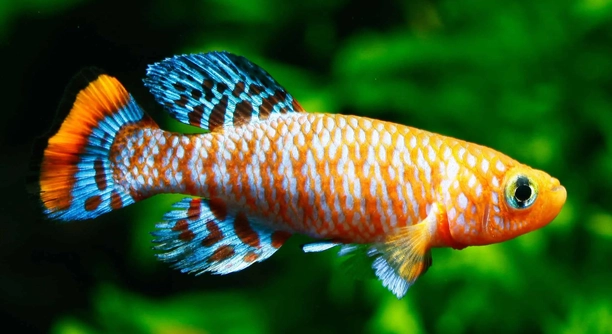
Is your killi fish tank showing signs of stress, cloudy water, or unusual fish behavior? Ammonia buildup may be to blame and needs your attention. Managing ammonia levels helps maintain a safe, stable environment.
The most effective ways to lower ammonia in a killi fish tank include partial water changes, removing decaying waste, reducing overfeeding, improving filtration, and introducing live plants. These methods help stabilize water quality and protect your fish.
Small changes in tank maintenance can lead to big improvements. Each method explained below supports a healthier, safer home for your killi fish.
Change Water Regularly
Doing regular water changes is one of the easiest and most effective ways to reduce ammonia in your killi fish tank. Over time, waste from fish, leftover food, and decaying plants begin to break down and increase ammonia levels. Replacing a portion of the tank water with clean, dechlorinated water helps remove these excess nutrients before they can affect your fish. A weekly 25–30% water change is usually enough to maintain good water quality. Make sure the new water matches the tank’s temperature to avoid stressing your fish. If your ammonia levels are very high, doing smaller water changes every few days can help bring them down safely without causing sudden changes that could harm your fish. Always use a gravel vacuum during water changes to clean up debris that may have settled at the bottom. This keeps the tank clean and improves water circulation and oxygen flow.
Water changes give you more control over water quality and keep your tank balanced.
Sticking to a weekly water change schedule will help keep ammonia levels steady. This not only protects your killi fish but also keeps their environment healthier and more stable. Consistency is key in preventing problems from building up in the long term.
Avoid Overfeeding
Extra food leads to more waste, which raises ammonia levels quickly. Only feed your killi fish what they can finish in two minutes.
Overfeeding is a common mistake and can quickly create an unhealthy tank. When uneaten food breaks down, it releases harmful substances into the water, including ammonia. Even if your fish seem eager to eat more, offering small, controlled portions is better for their health and for the tank. Feed once or twice a day, using just enough food that your killi fish can finish within two minutes. This keeps leftovers from sinking and rotting. You can also try feeding smaller amounts more frequently if you’re unsure. Make it a habit to remove any uneaten food right after feeding to reduce the chances of waste buildup. Choosing high-quality food can also make a difference, as it’s less likely to crumble and pollute the water. By keeping feeding under control, you reduce the strain on your filter and help maintain steady water conditions.
Clean the Substrate
Waste settles quickly at the bottom of the tank, especially in the gravel or sand. Cleaning the substrate regularly helps remove uneaten food, fish waste, and plant debris before it can break down and release ammonia.
Use a gravel vacuum during your water changes to lift debris from the bottom. Work in small sections each time to avoid disrupting beneficial bacteria too much. Aim to clean half of the substrate one week and the other half the next week. This balanced approach keeps the tank clean without stripping it of helpful microorganisms. Stirring the substrate gently between cleanings also helps prevent waste from getting trapped too deeply. If you notice cloudy water or a foul smell, your substrate may need more frequent attention. Even in tanks with minimal decorations, waste buildup can happen fast. Keeping the bottom of your tank clean is key to maintaining low ammonia levels.
Focus on the areas where your fish spend the most time, especially near feeding spots. These places often hold the most waste. Check for hidden spots under plants or decor where food might collect. Clean these zones gently but consistently, as buildup can increase ammonia even if the surface water looks clear. Simple upkeep prevents hidden issues.
Add Live Plants
Live plants absorb ammonia as part of their natural growth. They also provide oxygen and help regulate other water parameters, making them a valuable addition to your killi tank’s setup.
Choose hardy, fast-growing species like hornwort, water sprite, or java moss. These plants are easy to care for and effective at soaking up waste compounds. Live plants compete with algae and reduce harmful spikes in ammonia by using it as a nutrient. They also provide shelter, reduce stress, and create a more natural look in the tank. Be sure to remove dying leaves, as decaying plant matter can contribute to the problem if left unchecked. Regular trimming encourages fresh growth and keeps the plants healthy. Use a plant-safe light to support their development without overheating the water. Healthy plant growth improves water quality and helps maintain a more stable ecosystem. Just a few well-placed plants can make a visible difference in your tank.
Improve Filtration
A strong, properly sized filter helps break down waste before ammonia builds up. Make sure your filter is rated for your tank size and clean it regularly without removing too much beneficial bacteria at once.
Use filter media like sponges, bio-rings, or ceramic chips to support bacterial growth. Avoid replacing all media at once.
Reduce Stocking Levels
Too many fish in a small tank quickly leads to excess waste and high ammonia. Reducing your killi fish population gives your tank a better chance to stay balanced. A less crowded tank also lowers stress, which helps fish stay healthy and active.
Stick to the recommended stocking limit—usually one inch of fish per gallon of water. Even with great filtration and maintenance, an overstocked tank can struggle to stay clean. Observe your fish and note any signs of stress or aggressive behavior. These are often signs that your tank is too crowded. Giving your killi fish enough space improves water quality and overall well-being. If needed, consider moving some fish to a separate tank to reduce the load. Managing stocking levels is a simple but important step in keeping ammonia low and your fish comfortable.
Use Ammonia Detoxifiers
Ammonia detoxifiers can give quick relief in emergencies. These water conditioners neutralize ammonia temporarily, helping protect your fish until a longer-term solution is in place.
FAQ
How often should I test ammonia levels in my killi fish tank?
Testing once or twice a week is a good routine, especially if the tank is new or recently adjusted. Regular testing helps catch problems early before they affect your fish. Use a liquid test kit for accurate readings, as test strips are often less reliable. During any changes like new fish additions, filter cleaning, or feeding adjustments, test more frequently to monitor stability. It’s also helpful to keep a log of your results. This makes it easier to notice patterns or sudden shifts in water quality. Early action prevents stress and illness in your fish.
What’s a safe ammonia level for killi fish?
The ideal ammonia level is 0 ppm (parts per million). Even small traces above that can harm killi fish over time. They’re sensitive to changes in water quality and may show stress quickly. If your test shows 0.25 ppm or higher, take steps to lower it right away. This might include a water change, checking for uneaten food, or cleaning the substrate. Adding live plants or improving filtration may also help. Long-term exposure to ammonia, even at low levels, can damage gills and weaken their immune systems. Consistently clean, balanced water keeps your killi fish healthy.
Can I use bottled bacteria to help lower ammonia?
Yes, bottled bacteria can support the nitrogen cycle and speed up the process of converting ammonia to less harmful substances like nitrite and nitrate. These products are especially helpful in new tanks that don’t have an established bacteria colony yet. Add them directly to the water and also to the filter media, where bacteria grow best. Follow the instructions on the label for the correct dosage. Keep in mind that while helpful, bottled bacteria aren’t a substitute for proper tank maintenance. They’re most effective when combined with regular cleaning, water testing, and controlled feeding.
Why does ammonia keep coming back even after water changes?
Recurring ammonia usually means something in your tank is still creating too much waste. Overfeeding, overcrowding, or decaying plants can all cause repeated spikes. Sometimes, filters are too small or clogged, and can’t process the waste effectively. Also, if your tank isn’t fully cycled, it won’t have enough bacteria to handle the ammonia load. Try reducing feeding amounts, checking the filter, and removing hidden waste. Make sure your beneficial bacteria aren’t being wiped out by over-cleaning the filter or using chlorinated tap water. Getting to the root cause helps stop the cycle.
Can a filter be too strong for killi fish?
Yes, killi fish prefer calm water and may struggle in strong currents. A powerful filter can stir up waste or stress the fish, making it harder to keep the tank balanced. Choose a filter with adjustable flow, or use sponge filters that provide gentle filtration. If using a hang-on-back filter, add a baffle or sponge to slow the current. A good filter keeps water clean without making your fish fight the flow. Pay attention to their behavior—if they’re always hiding or struggling to swim, the current may be too strong.
Do killi fish produce more ammonia than other species?
Killi fish are small and don’t produce excessive waste, but they are still sensitive to poor water quality. The main issue comes from how their tanks are maintained, not their waste output. Since they’re often kept in smaller tanks or species-specific setups, waste can build up quickly if the tank isn’t monitored regularly. Their size doesn’t mean the tank needs less care—it still requires proper filtration, cleaning, and feeding habits. Clean water is especially important for killi fish since they can get sick fast in bad conditions.
Is cloudy water a sign of high ammonia?
Cloudy water can sometimes be linked to ammonia, but not always. In new tanks, it might be a bacterial bloom, which is part of the cycling process. If the tank isn’t new, cloudy water often means there’s a buildup of waste or leftover food breaking down. This can lead to ammonia spikes. Test the water to find out if ammonia is the cause. Clear water doesn’t always mean safe water either, so testing regularly is important. If ammonia is present, start with a water change, check your feeding habits, and clean the tank as needed.
Should I remove fish during an ammonia spike?
It’s better to treat the tank rather than move your fish, unless ammonia levels are dangerously high. Moving them can cause stress and shock. If the level is above 1.0 ppm and fish are gasping or losing color, a temporary holding tank may help—but only if that tank has clean, conditioned water. Try lowering ammonia first by doing partial water changes, using detoxifiers, and stopping feeding for a day or two. In most cases, with quick action, you can fix the problem without removing the fish. Keep the tank stable while making small, steady improvements.
Final Thoughts
Keeping ammonia levels low in a killi fish tank is not difficult, but it does require regular care. A stable, clean tank creates a safe environment where your fish can thrive. Small steps like weekly water changes, controlled feeding, and gentle substrate cleaning go a long way. Each action you take helps prevent waste from building up and harming your fish. Paying attention to daily habits makes a big difference over time. Even the smallest changes—like adjusting how much you feed or how often you clean—can greatly improve the health of your tank.
Adding live plants and making sure your filter works well also helps control ammonia naturally. These additions not only support a balanced tank but also improve its overall look and feel. You do not need fancy equipment or constant testing to keep things in order. What matters most is consistency. Sticking to a routine keeps everything running smoothly and avoids sudden changes that could stress your fish. When your tank is set up properly and well-maintained, it becomes easier to spot early signs of trouble. Quick action, when needed, prevents small issues from becoming bigger problems.
There is no perfect method that works for every tank, but learning what your killi fish need will guide you in the right direction. With care and attention, your tank will stay balanced and safe. Remember to take your time and make changes slowly. Giving your fish a clean, stable environment supports their health and long-term well-being. Whether you are new to fishkeeping or have years of experience, simple habits lead to success. A healthy tank is not just about clear water—it’s about what happens behind the scenes. Regular maintenance, observation, and a bit of patience can make all the difference.

Hello,
If you enjoy the content that we create, please consider saying a "Thank You!" by leaving a tip.
Every little bit helps us continue crafting quality advice that supports the health, happiness, and well-being of pets around the world, for pets of all shapes, sizes, and species.
We really appreciate the kindness and support that you show us!