
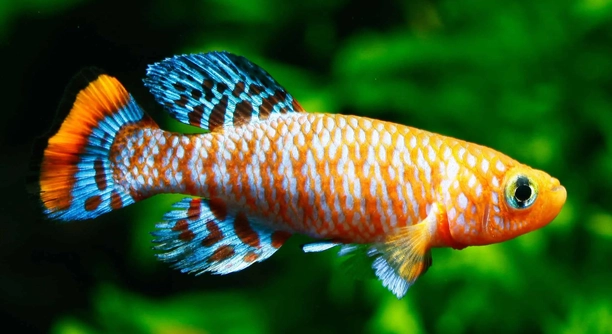
Killi fish are delicate creatures that need stable water conditions to thrive. One common problem many keepers face is the sudden drop in tank pH. This issue can affect the health and wellbeing of these sensitive fish.
A Killi fish tank’s pH often crashes due to factors like overfeeding, inadequate filtration, lack of regular water changes, buildup of organic waste, unstable water sources, improper substrate choice, and fluctuations in temperature. These elements disrupt the water’s chemical balance.
Understanding why pH drops happen is important for maintaining a healthy environment. Addressing these causes early can prevent harm to your fish and improve their lifespan and comfort.
Overfeeding and Waste Build-Up
Overfeeding is a common cause of pH crashes in Killi fish tanks. When fish are given too much food, uneaten leftovers start to decompose in the water. This process produces ammonia and other harmful chemicals, which can quickly lower the pH. The bacteria that break down this waste create acids, shifting the tank’s balance toward acidity. Additionally, the extra waste clogs filters, reducing their efficiency. This means the water isn’t cleaned properly, allowing harmful substances to accumulate. Maintaining a proper feeding routine is key to keeping the water chemistry stable. Feeding small amounts and removing any excess food helps prevent these problems. Regular tank maintenance, like cleaning filters and removing debris, supports a healthier environment for your Killi fish. This approach keeps the water clearer and pH more stable, which is essential for the health and happiness of your fish.
Overfeeding directly increases organic waste and acid production in the tank, lowering pH levels and stressing the fish.
Careful feeding habits and consistent cleaning reduce waste buildup, helping maintain steady pH. Avoiding excess food keeps your tank balanced and your Killi fish healthy over time.
Inadequate Filtration and Water Changes
A weak or improperly maintained filtration system cannot keep up with the waste produced in a Killi fish tank. Filters remove harmful chemicals and debris that affect water quality. Without good filtration, acids build up, pushing pH downward. In addition to poor filtration, irregular water changes allow waste products to concentrate. Over time, this creates an acidic environment unsuitable for Killi fish, which prefer stable, neutral to slightly acidic water. Changing about 20-30% of the water weekly helps remove excess nutrients and keeps pH steady. Using water conditioners and testing water regularly are also important steps. Together, these practices support a healthy habitat and reduce sudden pH drops, giving your fish a better chance to thrive. Monitoring and maintaining water quality is one of the most effective ways to keep your tank’s pH balanced and your Killi fish safe.
Substrate Choice and pH Levels
Certain substrates can affect pH by releasing acids or buffering agents into the water. Substrates like peat moss or driftwood tend to lower pH by adding tannins and organic acids. On the other hand, limestone-based substrates can raise pH by releasing calcium carbonate. Choosing the right substrate is essential to maintain stable water conditions for Killi fish.
If the substrate releases too many acids, it causes the water to become more acidic over time, which leads to pH crashes. This effect is often slow but steady, making it easy to overlook until the fish show signs of stress. Regular monitoring of the tank’s pH helps catch this problem early.
To avoid sudden pH shifts, use inert substrates that don’t react with water chemistry or those known to support the desired pH range for Killi fish. This choice reduces fluctuations and keeps the environment stable and safe for your fish’s wellbeing.
Temperature Fluctuations and pH Instability
Temperature changes impact how water chemistry behaves in your tank. Warmer water lowers oxygen levels and speeds up biological processes, which can increase acid production and lower pH. Cooler water slows these reactions and can cause pH to rise slightly.
Frequent or large temperature swings stress Killi fish and disrupt the tank’s chemical balance. Maintaining a consistent temperature suited for Killi fish helps prevent sudden pH drops. Use a reliable heater and thermometer to keep the water stable.
Stable temperature means fewer surprises in water chemistry. When the temperature is steady, beneficial bacteria work efficiently, waste breaks down properly, and pH remains within a safe range. This consistency is key for the health and comfort of your Killi fish.
Organic Matter and pH Decline
Decaying plant leaves and leftover food add organic acids to the tank. These acids slowly lower the pH over time.
Regular removal of dead plants and uneaten food prevents acid buildup. Keeping the tank clean supports stable pH and healthier fish.
Unstable Water Source
Tap water can vary in pH and mineral content depending on location and treatment. Using inconsistent water sources causes pH swings in the tank.
Testing and conditioning new water before adding it helps maintain a steady pH. Using the same water source regularly reduces surprises in water chemistry.
Lack of Buffering Capacity
Water without enough minerals to buffer pH changes is prone to crashes. Low hardness means small acid changes cause big pH drops.
Adding buffering agents or minerals helps stabilize pH by resisting sudden shifts. Maintaining proper hardness is key for Killi fish tank stability.
FAQ
Why does my Killi fish tank pH keep crashing even after water changes?
Water changes help remove accumulated waste, but if the source water has a different pH or lacks buffering capacity, the pH can still drop. Also, leftover organic matter and poor filtration may continue producing acids. Make sure to use stable, conditioned water and maintain regular tank cleaning alongside water changes.
How often should I test the pH in my Killi fish tank?
Testing the pH at least once a week is recommended to catch any sudden changes early. If you notice your fish acting stressed or unusual behavior, test more frequently. Keeping a record of your readings can help spot trends and make adjustments before problems worsen.
Can I fix a low pH by adding chemicals?
Yes, products like pH buffers or crushed coral can raise and stabilize pH, but they should be used carefully. Sudden changes in water chemistry can stress Killi fish. It’s better to identify and fix the root causes of pH drops rather than rely solely on additives.
What pH range is best for Killi fish?
Killi fish usually thrive in slightly acidic to neutral water, typically between 6.0 and 7.0. Staying within this range supports their health and breeding. Avoid large swings or extremes, as Killi fish are sensitive to sudden changes.
Does temperature affect pH significantly?
Yes, temperature influences water chemistry. Warmer water speeds up bacterial activity and acid production, which can lower pH. Cooler water slows these processes. Keeping a stable temperature helps keep pH stable, which is important for Killi fish well-being.
How does substrate impact pH?
Certain substrates release substances that can change pH. Organic materials like peat lower pH by releasing acids, while limestone-based substrates increase pH by adding minerals. Choosing the right substrate for your desired pH range is important for stability.
Is overfeeding really a big problem for pH stability?
Yes, overfeeding leads to leftover food decomposing in the tank, producing ammonia and acids. This buildup lowers pH and harms water quality. Feeding only what your fish can eat within a few minutes helps prevent these issues and keeps pH steady.
Can plants help stabilize pH?
Live plants can absorb some waste and produce oxygen, which supports better water quality. However, decaying plant matter releases acids, so regular pruning and removal of dead leaves are necessary to avoid pH drops.
What role does filtration play in pH control?
Filtration removes waste and toxins that cause acid buildup. A strong, well-maintained filter supports stable pH by breaking down harmful substances efficiently. Clean or replace filter media regularly to keep the system working well.
How do I safely raise pH if it falls too low?
Gradually add buffering materials like crushed coral or commercial buffers to avoid shock. Perform small, frequent water changes with conditioned water that has a slightly higher pH. Avoid sudden, large adjustments to protect your fish.
Can using RO (reverse osmosis) water cause pH crashes?
Yes, RO water lacks minerals and has low buffering capacity, making pH unstable and prone to crashes. If you use RO water, it’s important to remineralize it before adding it to the tank to maintain a balanced pH and support fish health.
Are there natural ways to maintain pH?
Yes, regular water changes with consistent source water, proper feeding, good filtration, and careful substrate choice all help keep pH stable naturally. Maintaining a clean, balanced environment reduces the need for chemicals and sudden corrections.
How does organic waste buildup affect pH over time?
Organic waste breaks down into acids slowly but steadily lowers pH. This process can be invisible until fish start showing signs of stress. Regular tank cleaning and waste removal prevent acid buildup and help maintain a healthy pH level.
What signs show my Killi fish are stressed by pH changes?
Fish may become lethargic, stop eating, or show unusual swimming patterns. Color fading or gasping at the surface can also indicate poor water conditions caused by low pH. Prompt testing and correction help reduce stress and improve their health.
Is a stable pH more important than the exact number?
Yes, consistency in pH is usually more important than hitting a perfect number. Killi fish can tolerate a range if the pH remains steady. Frequent fluctuations are more harmful than a slightly higher or lower constant pH.
Maintaining a stable pH in a Killi fish tank is essential for the health and well-being of your fish. Many factors can cause pH to crash, including overfeeding, poor filtration, buildup of organic waste, substrate choice, temperature changes, and unstable water sources. Understanding these factors helps you take better care of your tank and avoid sudden drops in pH that can harm your fish. Paying attention to each detail in your tank setup and maintenance routine will keep the water chemistry balanced and create a safe environment for your Killi fish.
Regular monitoring and simple maintenance go a long way in preventing pH problems. Testing your tank’s pH regularly lets you catch changes before they become dangerous. Feeding your fish the right amount of food and removing leftovers helps reduce waste buildup. Keeping your filters clean and performing regular water changes supports good water quality. Also, choosing the right substrate and using a consistent, stable water source can prevent unwanted shifts in pH. Small, steady steps in care will protect your fish and promote a healthy tank environment over time.
Remember, sudden or frequent changes in water chemistry are stressful for Killi fish. Stability is more important than having the “perfect” pH number. Focus on maintaining a steady range that suits your fish’s needs. When problems arise, it’s best to find and fix the cause rather than rely only on chemical treatments. With careful attention and regular care, you can avoid pH crashes and enjoy a thriving Killi fish tank that stays balanced and healthy.

Hello,
If you enjoy the content that we create, please consider saying a "Thank You!" by leaving a tip.
Every little bit helps us continue crafting quality advice that supports the health, happiness, and well-being of pets around the world, for pets of all shapes, sizes, and species.
We really appreciate the kindness and support that you show us!