
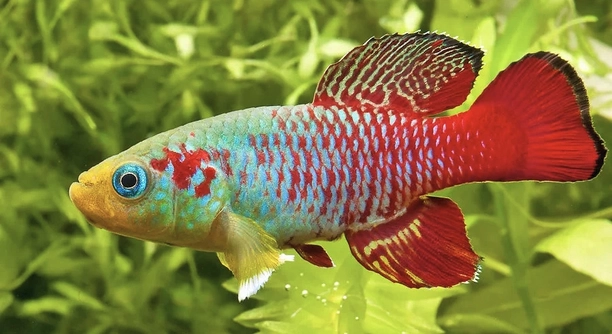
Many aquarium owners enjoy keeping killifish because of their vibrant colors and interesting behaviors. Sometimes, these fish display unique actions like blowing bubbles that catch attention. Understanding why they do this can improve their care and environment.
Killifish blow bubbles as part of their natural behavior, often linked to breathing air or creating bubble nests for reproduction. This action helps them survive in low-oxygen environments and plays a role in their mating process, reflecting their adaptation to specific habitats.
Knowing the reasons behind this behavior can help you create a better tank environment and ensure your killifish stays healthy and comfortable.
Why Killifish Blow Bubbles
Killifish are known for their interesting bubble-blowing behavior, which is mostly related to their breathing and breeding habits. These fish often live in environments where oxygen levels in the water can be low. To cope with this, they surface to take in air and sometimes blow bubbles to help with oxygen exchange. Additionally, during breeding, male killifish create bubble nests at the water’s surface. These nests protect the eggs until they hatch. The bubbles form a layer that keeps the eggs moist and safe from predators. This behavior is natural and shows how killifish have adapted to their surroundings over time. When you notice your killifish blowing bubbles, it is usually a sign that they are healthy and comfortable in their habitat.
Bubble blowing is a normal part of killifish behavior, connected to both survival and reproduction.
Watching these behaviors helps you understand your fish better and respond to their needs appropriately.
How to Support Your Killifish’s Bubble Behavior
Providing a well-maintained tank with proper oxygen levels and temperature is key to supporting your killifish’s bubble blowing. The water should be clean and gently aerated to mimic their natural environment. If the water is too still or polluted, it can stress your fish and interfere with their breathing. Adding floating plants or decorations near the surface can give your killifish places to build bubble nests. It’s also important to keep the temperature steady, as fluctuations can affect their health and breeding habits. Regular water changes and monitoring help maintain good conditions for your fish. By creating an environment close to their natural habitat, you encourage natural behaviors, including bubble blowing.
Proper care ensures your killifish remain active and display their natural behaviors with ease.
Maintaining ideal tank conditions takes attention but makes a big difference in the health and happiness of your killifish. Clean water, stable temperature, and gentle aeration promote better breathing and successful bubble nesting. This care supports their natural instincts and helps them thrive. If you notice less bubble activity, it could be a sign to check your tank’s conditions. Watching how your killifish interact with their environment can guide you in adjusting care routines to fit their needs better. This approach leads to a more balanced aquarium where your killifish can live comfortably and express their unique behaviors fully.
Bubble Nests and Reproduction
Bubble nests are created by male killifish to protect their eggs. These nests form at the water’s surface, made up of clusters of bubbles coated with mucus. This sticky layer keeps the eggs safe and moist.
During breeding, the male blows bubbles to build and maintain the nest. The nest acts as a shield, protecting eggs from water currents and some predators. The female deposits eggs into the nest, where the male fertilizes them. This method increases the chances of the eggs surviving until they hatch, especially in environments with unstable water conditions. The bubble nest is an essential part of the killifish’s reproductive strategy.
Caring for the tank’s surface and water quality helps support bubble nest building. Without a calm surface or clean water, bubble nests may not form well or stay intact.
Breathing Air and Low Oxygen Environments
Killifish often live in waters with low oxygen levels, which makes breathing challenging. They compensate by gulping air at the surface, absorbing oxygen directly. This is a survival skill that helps them thrive in tough conditions.
Blowing bubbles helps them regulate oxygen intake. The bubbles may increase the surface area for oxygen exchange or help clear the mouth area for fresh air. This behavior shows their adaptability and ability to survive where other fish might struggle. Proper tank aeration and water quality reduce stress, but some bubble blowing will remain natural and healthy.
Ensuring the aquarium mimics their natural oxygen-poor habitat with some surface access and gentle aeration is beneficial. This balance supports their breathing needs and natural habits.
Signs of Stress or Illness
Sometimes, bubble blowing can indicate stress or illness in killifish. Excessive or unusual bubble blowing may signal poor water quality or health problems.
Watch for other signs like lethargy or loss of appetite. These can help identify if your fish needs attention beyond normal care.
Maintaining Water Quality
Keeping water clean and balanced is essential for your killifish’s health. Regular water changes remove waste and toxins that can build up and cause stress. Testing water parameters like pH, ammonia, nitrite, and nitrate helps maintain a safe environment. Using a gentle filter and avoiding strong currents also supports your killifish’s comfort. Clean water encourages natural behaviors, including bubble blowing, and reduces the risk of disease. Consistent care and monitoring make a big difference in your killifish’s wellbeing.
Feeding and Bubble Blowing
A well-fed killifish tends to display more natural behaviors, including bubble blowing. Proper nutrition supports overall health and activity.
FAQ
Why is my killifish blowing bubbles constantly?
Constant bubble blowing can sometimes mean your killifish is trying to cope with low oxygen in the tank. It’s natural for them to surface and blow bubbles occasionally, but if it’s nonstop, check your water quality and aeration. Poor water conditions or low oxygen levels can cause stress, leading to increased bubble blowing. Also, consider if the tank temperature is stable, as fluctuations can affect their breathing. Make sure your aquarium has enough surface agitation or gentle aeration to improve oxygen levels. If conditions are good and the behavior continues, it might be related to breeding or natural habits, which is normal.
Do all killifish blow bubbles?
Most killifish species show bubble-blowing behavior, but the extent varies by species. Some males build bubble nests during breeding, while others may rarely blow bubbles. This behavior is tied to their natural environments, which often have fluctuating oxygen levels or specific breeding needs. If your killifish blows bubbles occasionally, it’s a sign of normal behavior. However, if it happens constantly without a breeding context, it’s worth checking water conditions or signs of stress.
How can I tell if bubble blowing is normal or a sign of a problem?
Normal bubble blowing usually happens at the surface and is occasional, especially during breeding season. Signs of a problem include excessive bubble blowing combined with other symptoms like lethargy, loss of appetite, clamped fins, or rapid breathing. If bubbles appear alongside poor water conditions—like cloudiness, strong odors, or high ammonia—then the fish may be stressed or sick. Regular water testing and observation help you identify if the bubble blowing is natural or caused by environmental issues.
Can bubble nests survive in a community tank?
Bubble nests are delicate and can be disturbed in a busy community tank. Other fish swimming near the surface may break the bubbles, and water movement from filters can disrupt the nest. For successful bubble nest building, it’s best to provide a calm environment with minimal surface agitation and some floating plants or decorations for support. If breeding is your goal, a separate breeding tank with controlled conditions is recommended. This helps protect the nest and increases the chances of egg survival.
Does bubble blowing mean my killifish is breeding?
Not always, but bubble blowing is often linked to breeding behavior in male killifish. Males build bubble nests to protect eggs, so if you see increased bubble blowing along with courting or chasing behaviors, breeding may be happening. However, bubble blowing can also be related to breathing or environmental responses. Watching other behaviors like mating dances or egg laying will give clearer signs that breeding is underway.
Should I change anything in the tank if my killifish is blowing bubbles?
If bubble blowing is occasional and the fish appears healthy, no major changes are needed. However, if it becomes frequent or excessive, it’s a good idea to test the water and improve oxygen levels by adding gentle aeration or increasing surface agitation. Also, ensure the temperature is stable and the tank is clean. Adding floating plants can help support bubble nests and provide shelter. Always observe your fish for other stress signs before making changes.
Can bubble blowing cause harm to killifish?
Bubble blowing itself is harmless and natural. It’s a survival and reproductive behavior that killifish have adapted over time. However, if excessive bubble blowing is due to poor water quality or stress, then the underlying problems can harm your fish. That’s why monitoring tank conditions and fish health regularly is important. Proper care keeps bubble blowing healthy and prevents it from becoming a symptom of bigger issues.
How often should I clean my tank to prevent stress-related bubble blowing?
A good rule is to perform partial water changes weekly, around 20-30% of the tank volume. This helps remove waste and toxins that can build up quickly. Also, clean filters monthly or as recommended, and remove leftover food and debris regularly. Keeping the water parameters stable and clean reduces stress for your killifish and supports normal behaviors like bubble blowing. Frequent, smaller cleanings are better than infrequent large ones.
Are there specific tank decorations that help with bubble blowing?
Floating plants and gentle surface covers provide ideal spots for killifish to build bubble nests. Plants like duckweed or floating moss offer surfaces for bubbles to stick and nest. Decorations near the surface reduce water movement and protect the nest from breaking. Avoid strong currents and heavy filtration near the surface. These small changes create a comfortable environment that encourages natural bubble blowing and breeding behavior.
Can stress cause my killifish to stop blowing bubbles?
Yes, stress can reduce natural behaviors including bubble blowing. If your killifish stops blowing bubbles suddenly, it may be due to poor water quality, overcrowding, or illness. Stress lowers activity and affects breathing patterns. Checking tank conditions, reducing stressors like aggressive tankmates, and providing a peaceful environment helps your killifish feel safe and return to normal behaviors. Monitoring behavior closely gives clues about their wellbeing.
Final Thoughts
Understanding why your killifish blows bubbles can help you take better care of it. This behavior is natural and can mean different things. Sometimes, your fish is simply breathing air or building a bubble nest for eggs. Other times, it can be a sign that something in the tank needs attention, like oxygen levels or water quality. Paying attention to the way your killifish behaves helps you know when everything is fine or when you need to make changes.
Keeping your aquarium clean and stable is very important for your killifish’s health. Regular water changes and monitoring of water parameters like pH and ammonia keep the tank safe and comfortable. When the environment matches the fish’s natural habitat, it encourages healthy behaviors, including bubble blowing. Providing floating plants or calm areas near the surface also supports bubble nest building. These simple steps create a peaceful space where your killifish can thrive and show their natural instincts.
If you notice changes in your killifish’s bubble blowing, such as more frequent or unusual patterns, it is good to check the tank conditions first. Stress, illness, or poor water quality often cause these changes. Watching your fish closely for other signs, like loss of appetite or slow movement, can help you catch problems early. Proper care and attention will keep your killifish healthy and happy. Over time, you will learn to recognize the normal bubble blowing and enjoy watching your fish express their unique behaviors.

Hello,
If you enjoy the content that we create, please consider saying a "Thank You!" by leaving a tip.
Every little bit helps us continue crafting quality advice that supports the health, happiness, and well-being of pets around the world, for pets of all shapes, sizes, and species.
We really appreciate the kindness and support that you show us!