
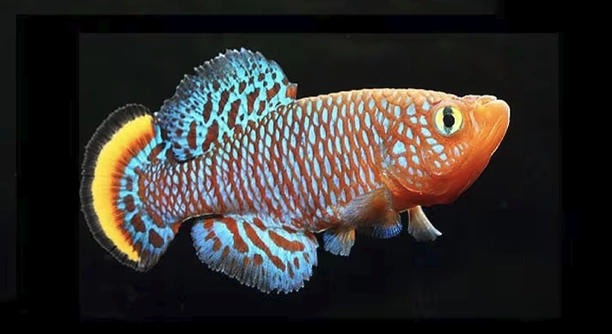
Killi fish are small, colorful freshwater fish that many people enjoy keeping as pets. They have unique behaviors that make them interesting companions in home aquariums. Building a connection with these fish can enhance the enjoyment of keeping them.
Bonding with killi fish involves gentle interaction, consistent feeding routines, and creating a calm environment. Regular observation and patience help the fish become familiar with their owner’s presence, reducing stress and encouraging natural behaviors.
These simple steps can improve your relationship with your killi fish and make caring for them more rewarding. The following tips will help you build trust and enjoy their company.
Understanding Your Killi Fish’s Behavior
Killi fish have distinct behaviors that can help you understand their moods and needs. They often swim actively near the surface and respond to movement outside the tank. When they feel safe, they may explore their environment more freely and display vibrant colors. Stress or fear usually causes them to hide or stay still. Observing these signs closely helps you recognize when they are comfortable or need changes in their care. Killi fish prefer calm environments with little sudden movement or loud noise. Keeping their tank clean and stable encourages healthy behavior and reduces stress. It’s important to be patient as they gradually get used to your presence. Over time, they may swim toward you or follow your hand, which indicates growing trust. Learning these behaviors allows for better care and a stronger bond with your killi fish.
The key to bonding is paying attention to their actions and responding with a calm and consistent routine.
Taking time to observe your killi fish daily will improve your ability to meet their needs and create a peaceful tank environment that encourages natural behavior.
Feeding Rituals That Build Trust
Regular feeding times help killi fish recognize you and associate your presence with food. Consistent schedules make them feel secure and encourage them to swim closer to you. Offering small amounts of live or frozen foods, such as brine shrimp or daphnia, supports their natural diet and health. Avoid overfeeding, which can lead to poor water quality and stress. When feeding, try to place the food in the same spot so they learn where to expect it. This routine helps your fish become familiar with your actions and builds positive interactions. Feeding can become a bonding moment when done calmly and patiently. Watching them eat from your hand or nearby shows they trust you. Keep the feeding process relaxed, and your killi fish will respond well to your presence.
Routine feeding times and careful portion control encourage good health and strengthen your connection.
Building this trust through feeding can lead to more interactive and lively fish that enjoy their environment and you as their caretaker.
Creating a Comfortable Environment
Killi fish thrive in a stable tank with plenty of hiding spots. Plants, rocks, and small caves provide security and reduce stress. They also appreciate clean water with gentle filtration. Avoid strong currents that can tire them out or cause anxiety. Keeping water parameters consistent supports their health and behavior.
Maintaining stable water temperature and quality is crucial for killi fish wellbeing. They prefer slightly acidic to neutral pH and temperatures around 72 to 75°F (22 to 24°C). Sudden changes can cause stress and illness. Using live plants not only offers hiding places but also improves water quality by absorbing nitrates. Decorations should be smooth to prevent injuries. Regular water changes and testing help keep their environment safe and comfortable.
Lighting also plays a role in their comfort. Moderate light levels mimic natural conditions and prevent overstimulation. Too bright lighting can cause hiding behavior, while dim lighting encourages exploration. A balanced setup helps them feel secure and active, encouraging interaction.
Gentle Interaction and Patience
Consistent, gentle interaction helps killi fish get used to your presence. Moving slowly near the tank and avoiding sudden gestures reduce their stress. Spending quiet time watching them allows them to recognize you without feeling threatened. Patience is essential, as trust builds over days or weeks, not immediately.
When introducing your hand or finger near the glass, do so gradually. Avoid tapping or quick movements, which can scare them. Talking softly near the tank may also calm the fish. Over time, they may swim closer or respond to your presence with curiosity instead of fear. This behavior shows growing trust and comfort in your interaction style.
Each fish has its own pace for bonding. Respecting their limits and observing their reactions lets you adjust your approach. Avoid forcing contact or overcrowding the tank with too many fish, which can cause stress and reduce your chances of bonding. Consistency and calmness are key to building a positive relationship with your killi fish.
Watching Their Swimming Patterns
Killi fish often swim in short bursts and explore different tank areas. Observing their patterns helps identify their comfort level. Active swimming and interaction near the front glass indicate they are relaxed. Erratic or sluggish movement may signal stress or health issues.
Consistent observation reveals changes in behavior early. This allows timely adjustments to their environment or care to keep them healthy and happy.
Using Mirrors for Interaction
Placing a mirror outside the tank briefly can stimulate your killi fish. They may respond to their reflection by showing curiosity or territorial behavior. This activity encourages movement and mental engagement, which can improve their overall wellbeing. Use this method sparingly to avoid stress.
Avoiding Overcrowding
Killi fish need space to feel secure and swim comfortably. Overcrowded tanks increase stress and reduce their ability to bond. Keeping the number of fish appropriate for your tank size promotes better health and natural behaviors.
FAQ
How can I tell if my killi fish is stressed?
Signs of stress in killi fish include hiding frequently, loss of color, erratic swimming, and reduced appetite. They may also stay motionless or gasp near the water surface. Stress can result from poor water quality, sudden changes in temperature, or overcrowding. Monitoring these behaviors helps catch problems early.
What is the best way to feed my killi fish?
Feed your killi fish small amounts of live or frozen foods such as brine shrimp, daphnia, or bloodworms. Offer food once or twice daily, ensuring they consume it within a few minutes to avoid leftover waste. Avoid overfeeding, which can pollute the tank and harm your fish’s health.
How often should I clean the tank?
Perform partial water changes of about 20-30% once a week to maintain water quality. Avoid full cleanings that disturb beneficial bacteria. Regularly test water parameters like pH, ammonia, and nitrate to keep the tank safe. Clean decorations and plants gently as needed to prevent algae buildup.
Can killi fish live with other fish species?
Killi fish can sometimes live with peaceful tank mates, but they prefer quieter environments without aggressive or overly active fish. Avoid large or fin-nipping species. Keeping them in a species-only tank or with compatible small fish helps reduce stress and encourages natural behavior.
What temperature do killi fish prefer?
Killi fish thrive in water temperatures between 72°F and 75°F (22°C to 24°C). Maintaining a stable temperature within this range reduces stress and supports their immune system. Sudden temperature shifts can lead to illness, so use a reliable heater and thermometer to monitor tank conditions.
How do I encourage my killi fish to interact with me?
Be patient and consistent in your approach. Spend quiet time near the tank, feed them at regular intervals, and avoid sudden movements. Gentle interaction, like slowly moving your hand near the tank, helps fish recognize and trust you. Over time, they may swim closer or respond to your presence.
Why do killi fish hide so much?
Hiding is natural for killi fish, especially when they feel threatened or stressed. Providing plenty of plants and decorations gives them places to retreat. If they hide excessively, check water quality and tank conditions, as poor environments can cause fear and illness.
Is it okay to tap on the glass?
Tapping on the glass is generally not recommended. It can startle or stress your killi fish, causing them to hide or swim erratically. Instead, try gentle movements or simply wait quietly for them to notice you. Building trust requires calm, non-threatening behavior.
How long do killi fish typically live?
Killi fish usually live between 2 to 3 years in a well-maintained aquarium. Proper care, including clean water, a balanced diet, and a stress-free environment, can help them reach or even exceed this lifespan.
What kind of plants work best in a killi fish tank?
Live plants such as Java moss, Anubias, and small floating plants provide hiding spots and improve water quality. These plants are hardy and do well in typical killi fish tank conditions. They also create a natural feel that encourages natural fish behavior.
Can killi fish recognize their owners?
Killi fish can become accustomed to their owner’s presence through regular, calm interaction. They may respond by swimming closer or showing curiosity. This recognition builds over time with consistent feeding routines and gentle observation.
How do I prevent my killi fish from jumping out of the tank?
Killi fish are known to jump occasionally. To prevent escapes, use a secure lid or cover on your aquarium. Ensure the tank has no gaps or open spaces. A tight-fitting lid also helps maintain stable water conditions.
Building a connection with your killi fish takes time, patience, and careful attention to their needs. These small fish respond well to consistent care and a calm environment. By understanding their behavior and creating a comfortable tank setup, you allow them to feel safe and secure. This sense of safety encourages natural activity and helps your fish become more interactive. Over time, simple habits like regular feeding and gentle interaction lead to a stronger bond. Remember, each fish is unique, so progress may be slow but steady.
Maintaining good water quality and a stable environment is essential for your killi fish’s health and happiness. Regular water changes, proper filtration, and monitoring tank conditions prevent stress and illness. Stress is one of the main reasons fish become shy or hide, which can hinder bonding. Providing hiding places with plants and decorations gives your fish security while allowing them to explore. When they feel comfortable in their home, they are more likely to respond positively to your presence. This improved interaction makes caring for them more rewarding.
Ultimately, bonding with your killi fish is a gradual process that requires consistency and respect for their behavior. Avoid rushing interactions or forcing contact, as this can cause fear or stress. Focus on creating a calm routine, offering healthy food, and observing their actions carefully. Over time, you will notice your killi fish swimming closer, responding to your presence, and showing signs of trust. These small moments reflect the growing connection between you and your fish, making the experience of keeping them more enjoyable and fulfilling.

Hello,
If you enjoy the content that we create, please consider saying a "Thank You!" by leaving a tip.
Every little bit helps us continue crafting quality advice that supports the health, happiness, and well-being of pets around the world, for pets of all shapes, sizes, and species.
We really appreciate the kindness and support that you show us!