
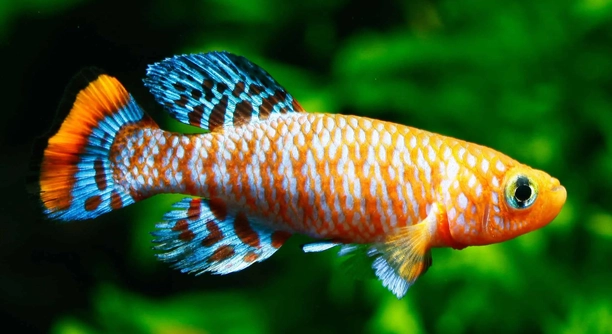
Many people enjoy keeping killifish as colorful additions to their aquariums. Sometimes, these lively fish begin to circle in one spot, which can be puzzling. Understanding why this happens helps owners care for their fish better and keep them healthy.
Killifish circling in one spot is often a sign of stress, territorial behavior, or an underlying health issue. Environmental factors like poor water quality, inadequate tank setup, or illness can cause this repetitive swimming pattern.
Recognizing the reasons behind this behavior is important for ensuring your killifish’s well-being and creating a comfortable home for them.
Common Causes of Killifish Circling Behavior
Killifish often swim in circles around one spot because of stress or discomfort in their environment. Poor water quality is one of the main reasons. When ammonia, nitrite, or nitrate levels rise, fish can become agitated and start unusual behaviors. Another factor is the tank setup—if there is not enough space or hiding places, killifish might swim repeatedly in one area. Illness can also cause this behavior. Parasites, bacterial infections, or swim bladder problems might affect their movement. Sometimes, the behavior is linked to territorial instincts, especially if there are other aggressive fish nearby. Observing your fish closely can help identify the cause, and making changes to water conditions, tank layout, or treating illness will often reduce the circling.
Maintaining clean water and a comfortable tank environment usually helps stop this behavior. Watching for other symptoms can give clues about the fish’s health.
Recognizing the cause of circling is key. Stress or illness needs immediate attention to prevent further harm. Checking water quality, tank mates, and overall fish health helps keep killifish happy and active.
How to Improve Your Killifish’s Environment
Improving your killifish’s tank conditions is often the best step to stop circling. Start with testing the water regularly for harmful chemicals. Keep ammonia, nitrites, and nitrates at safe levels through regular water changes. Adding plants and decorations gives fish places to hide and reduces stress. Make sure the tank is large enough for your killifish to swim freely. Avoid overcrowding by limiting the number of fish in the tank. Watch how your fish interacts with others to spot any signs of aggression or bullying. If the circling continues after improving the environment, consider consulting a vet for possible health problems. These steps create a calmer space that encourages normal behavior.
Signs of Illness in Killifish
If your killifish is circling one spot, it might be showing signs of illness. Look for changes in color, loss of appetite, or clamped fins. These are often signs that your fish needs attention.
Illnesses like swim bladder disorder can make swimming difficult, causing repetitive circling. Parasites or bacterial infections also affect movement and behavior. Sometimes, the fish’s balance is off, so it keeps swimming in circles. Early detection is important to prevent worsening conditions. Quarantining sick fish and treating them with appropriate medication helps recovery. Keeping the tank clean and stable supports their immune system and reduces disease risk.
If illness is suspected, try isolating the affected killifish to watch symptoms closely. Note any unusual behavior beyond circling, such as lethargy or difficulty breathing. This helps determine if medical treatment or changes in care are needed.
Monitoring Tank Conditions Regularly
Regularly checking your tank’s water quality is essential for healthy killifish. Use a test kit to measure ammonia, nitrite, and nitrate levels at least once a week. These chemicals can build up quickly and harm your fish if not controlled.
Besides chemicals, watch the temperature and pH level, as killifish prefer stable conditions. Sudden changes can stress them, leading to unusual behaviors like circling. Keep the tank clean by removing uneaten food and debris regularly. Performing partial water changes keeps harmful substances low. Maintaining these conditions creates a safe environment where your killifish can thrive without stress or illness affecting their behavior.
Tank Setup and Space
A cramped tank can cause killifish to swim in circles. They need enough room to explore and swim freely.
Adding plants and hiding spots helps reduce stress and encourages natural behavior.
Effects of Stress on Killifish
Stress from poor water conditions, aggressive tank mates, or sudden changes can cause repetitive circling. When stressed, killifish lose their normal activity patterns and focus on a small area. Reducing stress by improving tank conditions and avoiding overcrowding often stops this behavior.
When to Seek Professional Help
If circling continues despite all care efforts, consulting a veterinarian is important. Professional advice can identify hidden illnesses or problems.
Importance of Observation
Regularly watching your killifish helps catch issues early. Noticing changes in behavior can prevent serious health problems.
FAQ
Why is my killifish circling in one spot?
Killifish often circle in one spot because of stress, illness, or an uncomfortable environment. Stress may come from poor water quality, aggressive tank mates, or a cramped tank. Illnesses like swim bladder problems or parasites can also affect their swimming patterns. Circling is usually a sign that something needs attention.
How can I tell if my killifish is sick?
Look for signs like faded colors, clamped fins, loss of appetite, or unusual swimming patterns. If the fish seems lethargic or is constantly swimming in circles, it may be sick. Early detection helps prevent worsening conditions, so keep a close eye on changes in behavior and appearance.
What water parameters are best for killifish?
Killifish generally prefer water with a temperature between 72°F and 75°F (22°C–24°C). The pH should be neutral to slightly acidic, around 6.0 to 7.0. Ammonia and nitrite levels must be zero, while nitrate should be kept below 20 ppm. Regular testing and water changes keep the tank safe.
Can tank mates cause my killifish to circle?
Yes, aggressive or overly active tank mates can stress killifish, causing them to swim in repetitive circles. Killifish prefer calm, peaceful companions or even solitary tanks. Overcrowding can also increase stress levels, so it’s best to avoid mixing with aggressive species.
How often should I clean my killifish tank?
A partial water change of about 20-30% once a week is recommended. Regular cleaning prevents buildup of harmful chemicals and keeps the environment stable. Remove leftover food and debris during each cleaning to avoid poor water quality, which can stress your fish.
What can I do if my killifish has swim bladder issues?
Swim bladder problems can cause erratic swimming or circling. Feeding cooked, peeled peas can sometimes help clear blockages. Ensure your fish’s diet is balanced and avoid overfeeding. If the condition persists, consider consulting a vet for appropriate treatment.
Are plants important for a killifish tank?
Yes, live plants provide hiding spots and reduce stress by making the environment feel more natural. Plants also improve water quality by absorbing nitrates. Including floating plants can give killifish shaded areas they appreciate, encouraging calm and healthy behavior.
Is it normal for killifish to swim in circles occasionally?
Occasional circling is normal during mating or territory establishment. However, constant circling usually indicates stress or health problems. Monitoring how often and when the behavior happens helps determine if there is a concern.
Can poor diet cause circling behavior?
A poor diet may weaken your killifish’s health and immune system, making it more prone to illness and stress. Providing a varied diet with live or frozen foods, along with quality flakes or pellets, supports their well-being and reduces abnormal behavior.
When should I isolate my killifish?
Isolate your killifish if you notice illness symptoms like circling, loss of appetite, or unusual spots. Quarantine helps prevent spreading disease to other fish and allows focused treatment. Use a separate tank with clean, stable water during this time.
Killifish are fascinating and beautiful fish that bring life to any aquarium. When they start circling in one spot, it often signals that something in their environment or health isn’t quite right. This behavior should not be ignored because it can be a sign of stress, illness, or discomfort. Paying close attention to how your killifish behaves and the condition of their tank can help you catch problems early. By addressing the cause, you can help your fish return to normal, healthy activity.
Many factors can lead to circling behavior. Poor water quality is one of the most common issues. Keeping the tank clean and regularly testing the water ensures the fish are living in safe conditions. Stress from tank mates or a cramped space can also cause them to swim in circles. It’s important to provide enough space and a calm environment with plants or hiding spots. Illness should also be considered. If the circling comes with other symptoms like faded colors or clamped fins, it’s best to consult a professional or consider treatment. Taking these steps can greatly improve the well-being of your killifish.
Watching your killifish carefully and keeping a routine for tank maintenance are key to preventing problems. Small changes, like adding plants or adjusting water parameters, can make a big difference. Remember, killifish are sensitive to their surroundings, so maintaining a stable and comfortable environment is important. When you care for their needs thoughtfully, your fish will show more natural behavior and stay healthier. Paying attention to your killifish’s habits helps you understand them better and keeps your aquarium a pleasant place for both you and your fish.

Hello,
If you enjoy the content that we create, please consider saying a "Thank You!" by leaving a tip.
Every little bit helps us continue crafting quality advice that supports the health, happiness, and well-being of pets around the world, for pets of all shapes, sizes, and species.
We really appreciate the kindness and support that you show us!