
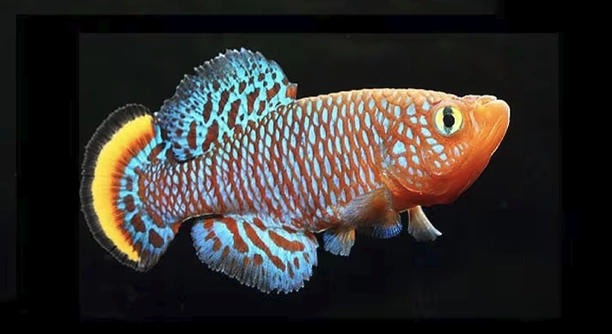
Keeping peaceful killi fish in a community tank means choosing the right companions carefully. These small, gentle fish need tank mates that won’t stress or harm them. Finding compatible fish can help maintain a calm and healthy environment.
Safe tank mates for peaceful killi fish include small, non-aggressive species such as certain tetras, rasboras, and peaceful livebearers. These fish have similar water requirements and temperaments, making them suitable companions in a shared aquarium setting.
Learning about compatible tank mates helps you create a balanced tank where your killi fish can thrive peacefully. Understanding these options can make all the difference in your aquarium’s success.
Small Tetras as Tank Mates
Small tetras are a popular choice for peaceful killi fish tanks. Species like neon tetras, ember tetras, and cardinal tetras are gentle swimmers that usually avoid conflict. They thrive in similar water conditions as killis, preferring slightly acidic to neutral pH and moderate temperatures. These tetras are schooling fish, so keeping them in groups helps reduce stress for all tank inhabitants. Their small size and calm behavior make them unlikely to compete aggressively for food or territory. However, it’s important to provide enough hiding spots and plants so the killi fish feel secure. A well-planted tank with open swimming space offers a good balance for both species. Monitoring their interaction at first is always a good idea, as individual temperaments can vary. Overall, small tetras create a lively but peaceful community when paired with killis.
Tetras need clean water and stable conditions, so regular maintenance benefits the whole tank. This helps keep stress levels low for both species.
Adding tetras to your killi tank can brighten the environment and encourage natural behavior, making the aquarium more interesting to watch and maintain.
Peaceful Rasboras
Rasboras are another excellent choice for peaceful killis. Species such as harlequin and chili rasboras are known for their calm nature and similar size. They prefer water parameters that overlap well with killis, which simplifies care and reduces stress. Rasboras enjoy swimming in small schools and stay active during the day, complementing the killis’ behavior without causing aggression. Their peaceful disposition means they won’t bother slow or shy tank mates. These fish also adapt well to planted tanks and appreciate hiding spots, which benefits the entire community by reducing territorial disputes. Feeding rasboras alongside killis is easy since they accept a variety of foods, from flakes to small live or frozen treats. When combined thoughtfully, rasboras help create a balanced and visually appealing tank.
Selecting rasboras helps maintain a calm aquarium environment, perfect for those who want low-stress community tanks with killis.
Peaceful Livebearers
Livebearers like guppies and platies are often good tank mates for peaceful killis. They are hardy and adaptable, making them easy to care for alongside killis.
Guppies and platies have calm temperaments and similar water needs, which helps them coexist peacefully. Their active swimming style adds movement to the tank without causing stress to killis. These livebearers prefer moderate temperatures and stable water conditions that overlap well with killis’ preferences. Both species appreciate plants and hiding spaces, which help reduce territorial behavior and provide security. It’s important to avoid overcrowding, as livebearers can reproduce quickly. Keeping a balanced population prevents competition for food and space, maintaining peace in the tank.
Livebearers also eat a wide range of foods, from flakes to small live treats, simplifying feeding routines. Their peaceful nature makes them reliable companions, enhancing the tank’s diversity and activity without overwhelming the killis.
Corydoras Catfish
Corydoras catfish are peaceful bottom dwellers that make excellent companions for killis. They stay out of the killis’ swimming zones and help keep the tank clean.
These catfish prefer similar water conditions—slightly acidic to neutral pH and moderate temperatures. Corydoras are social fish that thrive in groups, so keeping at least three together encourages natural behavior. Their gentle nature means they won’t disturb other tank inhabitants, including delicate killis. Corydoras feed on leftover food and detritus, which helps maintain water quality. Because they occupy a different tank level, they do not compete with killis for space or food. Providing soft substrate like sand or smooth gravel protects their sensitive barbels. Overall, corydoras bring balance by adding bottom-level activity and contributing to a healthy environment.
Otocinclus Catfish
Otocinclus catfish are small, peaceful algae eaters that do well with killis. They help keep tanks clean without bothering other fish.
They prefer similar water conditions and are gentle bottom dwellers. Otocinclus are shy and do best in groups, which helps them feel secure and active.
Kuhli Loaches
Kuhli loaches are slender, peaceful fish that live at the bottom of the tank. They rarely disturb killis and stay hidden during the day.
They thrive in soft, slightly acidic water and prefer lots of hiding spots. Their calm behavior and nighttime activity make them good tank mates for peaceful killis.
Snails as Tank Helpers
Certain snails like nerite and mystery snails are useful tank mates. They clean algae and leftover food without harming fish.
Snails are low-maintenance and do well in the same water conditions preferred by killis. They add balance to the aquarium ecosystem while staying out of the way.
What makes a good tank mate for peaceful killi fish?
A good tank mate for peaceful killi fish should have a calm temperament and avoid aggressive behavior. They need to thrive in similar water conditions, like pH, temperature, and hardness. Size matters too; tank mates shouldn’t be so big that they intimidate or harm the killis. It’s important that they occupy different levels of the tank or have different activity patterns to reduce stress and competition. Lastly, the fish should have compatible diets so feeding routines are simple and all fish get proper nutrition.
Can aggressive fish live with killi fish?
Aggressive fish are generally not suitable for tanks with peaceful killi fish. Killis are small and can become stressed or injured if housed with territorial or fin-nipping species. Aggression often leads to constant chasing and fights, which weakens killis and can cause illness. If aggressive fish are kept, they may damage the tank’s peaceful balance, leading to a higher risk of disease and death for the killis. It’s best to avoid any fish known for aggressive or overly active behavior.
How many tank mates should I keep with killis?
The number of tank mates depends on the tank size and species. For small tanks (10 gallons or less), it’s best to keep only a few peaceful companions, such as a small school of tetras or a pair of livebearers. Larger tanks can support more fish but still require careful planning to avoid overcrowding. Overcrowding causes stress, poor water quality, and competition for food. A good rule is to keep a balanced number of fish that fit comfortably in the tank without overcrowding or causing territorial disputes.
What kind of plants work well with killi fish and their tank mates?
Live plants such as Java moss, Anubias, and floating plants like duckweed create excellent hiding spots for killis and their tank mates. Plants help reduce stress by giving fish places to retreat. They also improve water quality by absorbing nitrates and providing oxygen. Dense planting helps calm the tank environment and encourages natural behavior. Choosing hardy plants that tolerate moderate light and the same water conditions as killis makes maintenance easier and keeps the tank healthy.
How often should I feed killi fish and their tank mates?
Killi fish and peaceful tank mates should be fed small amounts once or twice daily. Feeding too much can pollute the tank and cause health issues. Killis often prefer live or frozen foods like daphnia or brine shrimp but will accept high-quality flakes or pellets. Tank mates like tetras and livebearers also eat flakes or pellets, making feeding easier. It’s important to provide food that suits all species and to remove any uneaten food after a few minutes to keep the water clean.
Are snails safe to keep with killis?
Yes, many types of snails are safe tank mates for killis. Nerite and mystery snails are popular because they help control algae and clean up leftover food without bothering fish. Snails do not compete for space or food aggressively and generally stay out of the way. They need similar water conditions and prefer tanks with plenty of hiding spots. It’s important to monitor snail populations since they can multiply quickly if overfed.
Can killis live with shrimp?
Killi fish can sometimes live with larger, faster shrimp species, but small shrimp like cherry shrimp may be at risk. Killis are predators and might see small shrimp as food. Larger shrimp species like Amano shrimp can coexist more safely if the tank has plenty of hiding places. Providing dense plants and caves helps shrimp avoid being targeted. Careful observation is necessary to ensure the shrimp aren’t stressed or harmed.
What signs show that tank mates are not compatible with killis?
Signs of poor compatibility include frequent chasing, fin nipping, hiding, or visible stress in killis. You may notice torn fins, faded colors, or loss of appetite. Aggressive tank mates may cause killis to become lethargic or injured. If you see constant fighting or one species dominating feeding, it indicates an imbalance. Water quality problems caused by overcrowding or excess waste also suggest the tank isn’t working well. It’s important to act quickly if these signs appear to protect your killis.
Choosing the right tank mates for peaceful killi fish is important to create a calm and healthy aquarium. Killis are small and gentle, so they need companions that won’t cause stress or harm. Selecting fish and other tank mates that share similar water needs and temperaments helps keep the environment balanced. It is best to avoid aggressive or overly active species that might intimidate or chase killis. Instead, peaceful fish like small tetras, rasboras, livebearers, and bottom dwellers like corydoras or otocinclus catfish make good choices. These fish usually get along well and allow killis to behave naturally without feeling threatened.
Plants and hiding places also play a big role in creating a peaceful tank for killis and their companions. Dense plants give fish places to retreat when they feel stressed and help reduce aggression. They improve water quality by absorbing excess nutrients, which helps keep the tank clean and healthy. Providing a variety of hiding spots and open swimming areas lets all the fish find their own space. This reduces competition and territorial behavior. Adding peaceful snails can further support the tank by cleaning leftover food and algae without bothering the fish.
Keeping a community tank with killis requires careful attention to water quality, feeding, and tank maintenance. Overcrowding should be avoided because it raises stress and pollution levels. Feeding should be balanced so all species get enough food without overfeeding. Regular water changes and monitoring water parameters help maintain a stable environment that supports the health of killis and their tank mates. Observing the behavior of the fish can help catch early signs of stress or incompatibility. With thoughtful planning and care, peaceful killis can thrive alongside compatible companions, creating a beautiful and calm aquarium to enjoy.

Hello,
If you enjoy the content that we create, please consider saying a "Thank You!" by leaving a tip.
Every little bit helps us continue crafting quality advice that supports the health, happiness, and well-being of pets around the world, for pets of all shapes, sizes, and species.
We really appreciate the kindness and support that you show us!