
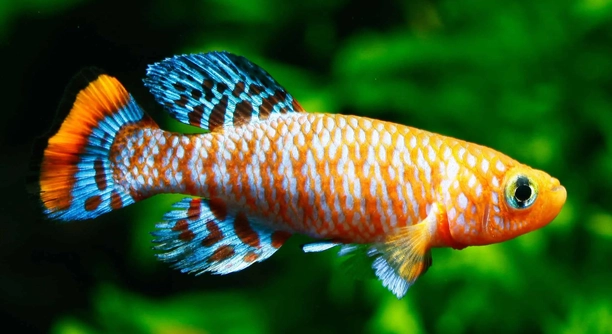
Killi fish are beautiful and peaceful pets that many enjoy keeping at home. Like any living creature, they can get sick if their environment or care isn’t right. Knowing the early signs of illness helps keep them healthy and happy.
Recognizing seven key warning signs of killi fish illness allows owners to act promptly. These signs include changes in behavior, appearance, and swimming patterns, which indicate stress or disease and require immediate attention to prevent serious health issues.
Learning to spot these warning signs early can protect your killi fish from harm and improve their overall well-being in your care.
Changes in Swimming Behavior
Killi fish usually swim smoothly and confidently around their tank. When they start darting suddenly, floating at the surface, or hiding more than usual, it often means something is wrong. These changes can signal stress, discomfort, or illness. It’s important to watch how your fish moves daily. A sluggish or listless fish may be struggling with an infection or poor water quality. Sometimes they may swim erratically due to parasites or internal issues. Observing these behaviors early helps you act before the problem worsens. If you notice these changes, check your tank’s water parameters immediately. Clean water and a stable environment are crucial for their health. Adjusting the temperature or improving filtration can sometimes bring your fish back to normal. Ignoring abnormal swimming habits often leads to deeper health problems that are harder to treat.
Swift, unusual swimming patterns often point to stress or illness and should never be overlooked.
Watching your killi fish’s movement every day will give you clues about their health. Early detection of abnormal swimming can save you time and effort by catching problems before they become serious.
Changes in Appearance
Physical changes in killi fish are often one of the clearest signs of illness. Look closely at their fins, scales, and color. Faded colors, torn fins, or white spots can mean infection or parasite infestations. Sometimes, swelling or bloating shows up around the belly or eyes, indicating internal problems. If you notice your fish rubbing against objects, it might be trying to relieve itching caused by parasites. Regularly checking your fish’s body for these signs helps you catch disease early. Also, poor water conditions can cause damage to their skin and scales, so keep the tank clean and well-maintained. Prompt action, like improving water quality or using appropriate treatments, can help your killi fish recover faster and avoid permanent damage.
Physical changes such as dull colors or damaged fins are key signals of health issues.
These visible signs often show up before behavior changes. Careful observation can guide you toward the right treatment quickly and protect your fish from suffering.
Loss of Appetite
A killi fish that suddenly stops eating is a serious concern. This behavior can indicate stress, illness, or poor water quality. It’s important to watch feeding times closely and note any changes.
Loss of appetite can be caused by many factors, including infections, parasites, or tank conditions. When fish don’t eat, they weaken quickly, making them vulnerable to further health problems. Check the water temperature, cleanliness, and quality immediately. Make sure the food you offer is fresh and suitable for killi fish. Sometimes, illness causes a fish to hide and avoid food, so observe their overall behavior as well. Early intervention can prevent serious complications and improve chances of recovery.
If your killi fish refuses food for more than a day or two, consider testing water parameters and possibly consulting a vet or experienced hobbyist. Changes in diet or treatment might be necessary to restore appetite and health.
Rapid Gill Movement
Rapid gill movement is often a sign of breathing difficulty in killi fish. It shows the fish may be stressed or struggling to get enough oxygen. This symptom should never be ignored.
This rapid movement usually points to poor water quality or low oxygen levels. Check for high ammonia, nitrite, or nitrate levels, as these can irritate the gills and make breathing hard. Overcrowding or improper filtration might also cause this problem. Parasites or infections affecting the gills can make it painful or difficult to breathe, leading to rapid gill movement. Improving tank conditions by cleaning, adding aeration, or performing water changes can ease the fish’s discomfort. Sometimes, treatment for gill parasites or bacterial infections is needed.
Regularly monitoring water quality and ensuring good aeration can prevent this issue from developing. Rapid gill movement is a warning sign that requires prompt attention to avoid further health risks.
Clamped Fins
Clamped fins happen when a killi fish holds its fins close to its body instead of spreading them out. This is a common sign of stress or illness that should not be ignored.
This behavior often appears when water conditions are poor or the fish feels threatened. It can also indicate infections or parasites. Keeping the tank clean and stable helps prevent clamped fins.
White Spots on Body
White spots are usually caused by a parasite called Ich. These tiny spots can spread quickly and harm your fish if left untreated.
Early detection and treatment are important to stop the infection and protect your killi fish’s health.
Lethargy
Lethargy means your killi fish is unusually inactive or weak. It may rest at the bottom or hide more than usual. This often shows the fish is sick or stressed.
Regular observation helps catch lethargy early and take necessary actions.
FAQ
What causes killi fish to get sick?
Killi fish can get sick due to several reasons. Poor water quality is the most common cause, including high ammonia, nitrite, or nitrate levels. Stress from overcrowding, sudden temperature changes, or aggressive tank mates can also weaken their immune system. Additionally, infections caused by bacteria, fungi, or parasites can make them ill. Feeding poor-quality or expired food may contribute to health problems too. Keeping their environment clean, stable, and providing proper nutrition helps prevent many illnesses.
How often should I check my killi fish tank?
It’s best to check your killi fish tank daily. Look for signs of illness like changes in behavior or appearance. Also, test water parameters like temperature, pH, ammonia, nitrite, and nitrate levels at least once a week. Frequent water changes and cleaning are important to keep conditions safe. A regular schedule helps catch problems early before they become serious.
What are the best water conditions for killi fish?
Killi fish prefer slightly acidic to neutral water with a pH between 6.0 and 7.5. The temperature should be stable, generally between 72°F and 79°F (22°C–26°C). Clean, well-filtered water with low ammonia and nitrite levels is crucial. Regular water changes help maintain good water quality. Avoid sudden temperature shifts, as killi fish are sensitive and can become stressed.
How can I treat white spots on my killi fish?
White spots usually mean your fish has Ich, a common parasite. Treatment includes raising the water temperature slightly and adding medication designed for Ich. Perform partial water changes to keep the water clean and remove parasite eggs. Quarantining infected fish can prevent spread to others. Follow instructions carefully on any medication and keep monitoring your fish for improvement.
Can stress cause illness in killi fish?
Yes, stress weakens a killi fish’s immune system, making it more prone to infections. Stress can come from overcrowding, poor water conditions, sudden changes, or aggressive tank mates. Keeping a stable environment, avoiding overcrowding, and maintaining good water quality helps reduce stress and keeps fish healthy.
What should I feed my killi fish to keep them healthy?
A balanced diet with high-quality food is key. Killi fish enjoy live or frozen foods like brine shrimp, daphnia, and bloodworms. You can also feed them high-quality flakes or pellets made for carnivorous fish. Feeding small amounts 1–2 times daily prevents overfeeding and water pollution. Variety in their diet supports good health and strong immune systems.
How long can killi fish live if properly cared for?
With good care, killi fish usually live 2 to 4 years. Proper water quality, stable temperature, and good nutrition extend their lifespan. Avoiding stress and illness helps them thrive longer. Regular tank maintenance and prompt attention to health issues improve their chances of living a full life.
When should I consult a veterinarian?
If you notice severe symptoms like continuous loss of appetite, extreme lethargy, or worsening physical signs despite treatment, it’s time to seek professional help. A vet with experience in fish can provide diagnosis and treatment options that might not be available at home. Early professional care can save your fish’s life in serious cases.
Final Thoughts
Taking care of killi fish requires attention and patience. These small fish are delicate and can show signs of illness quickly. Watching for changes in their behavior, appearance, or swimming patterns helps catch problems early. Keeping the tank clean and stable is the best way to prevent many health issues. Simple daily checks and regular water tests make a big difference in keeping your fish healthy. When you notice even small changes, it’s important to act quickly to avoid serious illness.
Understanding the common warning signs of killi fish illness helps you respond appropriately. Loss of appetite, clamped fins, white spots, or rapid gill movement are clear signals that something is wrong. These signs usually do not appear suddenly but develop over time. By learning what to look for, you can identify problems before they get worse. Providing good water quality, proper food, and a peaceful environment supports your fish’s well-being and strengthens their immune system. This knowledge makes caring for killi fish less stressful and more rewarding.
Remember that sometimes illness is unavoidable despite your best efforts. In those cases, patience and proper treatment can help your killi fish recover. It is important to avoid panic and stay calm when you see signs of sickness. Taking quick steps like improving water quality or consulting a professional can save lives. Caring for killi fish means being prepared and learning as you go. With steady care and attention, your fish will have a better chance to live a long, healthy life in your aquarium.

Hello,
If you enjoy the content that we create, please consider saying a "Thank You!" by leaving a tip.
Every little bit helps us continue crafting quality advice that supports the health, happiness, and well-being of pets around the world, for pets of all shapes, sizes, and species.
We really appreciate the kindness and support that you show us!