
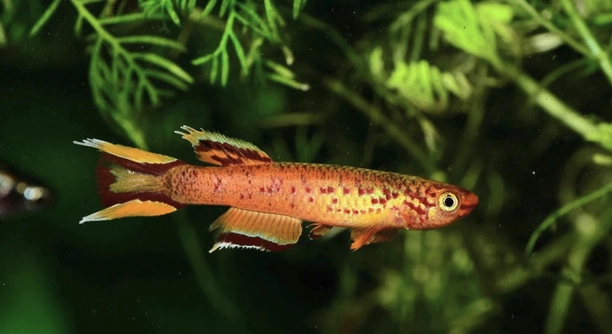
Are you interested in setting up a killifish tank on your own? Many hobbyists enjoy the process of building and customizing their tanks. It can be rewarding to see your fish thrive in a home-made environment.
DIY killifish tanks can be worthwhile if properly planned and maintained. They offer customization and cost savings but require careful attention to water quality, habitat needs, and tank size to support healthy fish development and long-term success.
Understanding the benefits and challenges of DIY setups can help ensure your killifish live comfortably and happily in their new home. This article will provide insight into making the best choice for your aquatic pets.
Benefits of Building Your Own Killifish Tank
Creating your own killifish tank lets you tailor the environment to fit the specific needs of these delicate fish. You can choose the size, shape, and materials that best suit your space and budget. A DIY tank also allows for customization in decoration and filtration, which can enhance the natural habitat for killifish. Additionally, building your own setup can be more affordable than buying a pre-made tank. This hands-on approach encourages learning about aquarium maintenance and fish care, making it easier to spot potential problems early. Many people find satisfaction in watching their killifish thrive in an environment they created from scratch. However, it requires patience and consistent care to maintain water conditions, as killifish are sensitive to changes. Proper research and preparation are key to making a DIY tank work well.
DIY tanks offer flexibility that pre-made setups often lack. They can fit specific spaces and personal preferences better.
Taking the time to build your own tank can lead to a more rewarding experience. Custom features help mimic natural conditions, benefiting the fish’s health. It also promotes better understanding of aquatic ecosystems, which is valuable for long-term care. While there is a learning curve, the control over design and function can make a big difference in your killifish’s well-being. Proper filtration, lighting, and plant selection are all easier to manage when you create the setup yourself. Overall, a DIY tank can provide a healthy, attractive home for killifish if done with care and knowledge.
Challenges to Consider with DIY Killifish Tanks
Setting up a DIY killifish tank requires careful attention to details that are easy to overlook. Killifish need stable water conditions, and small tanks can be harder to maintain. Temperature, pH, and cleanliness must be regularly monitored.
Keeping water parameters stable can be difficult in homemade tanks. Small errors can affect fish health quickly.
One major challenge is maintaining consistent water quality. Killifish are sensitive to fluctuations in temperature and chemical levels. Without proper filtration and regular water changes, problems can develop fast. Also, some DIY tanks may lack adequate space or hiding spots, which killifish need for comfort and breeding. It is important to choose the right materials to avoid harmful chemicals leaching into the water. Learning about the specific needs of the species you plan to keep will help prevent many issues. Regular testing and maintenance routines are essential. Though there are challenges, understanding them ahead of time can make a DIY killifish tank a successful and enjoyable project.
Essential Equipment for DIY Killifish Tanks
Choosing the right equipment is key to a successful DIY killifish tank. A reliable filter and heater maintain stable water conditions. Proper lighting supports live plants and mimics natural light cycles.
A filter that provides gentle water flow is important because killifish prefer calmer waters. A small sponge filter is often ideal, as it ensures good oxygenation without stressing the fish. The heater should keep the water within the species’ preferred temperature range, usually between 72 and 78 degrees Fahrenheit. Lighting should be moderate, supporting aquatic plants while avoiding excessive heat buildup. Including a thermometer and test kits for pH and ammonia helps monitor water quality consistently. These tools prevent problems before they arise, making maintenance easier.
Substrate choice also matters. Fine gravel or sand allows killifish to behave naturally and supports plant roots. Adding live plants and hiding places reduces stress and encourages breeding. Avoid overcrowding equipment to keep the tank visually appealing and functional. With the right setup, the environment will support healthy fish and create a peaceful display.
Tips for Maintaining a DIY Killifish Tank
Regular water changes are essential to keep water quality high. Testing parameters weekly helps catch any issues early.
Keeping the tank clean prevents harmful buildup of waste and toxins. Avoid overfeeding to reduce waste accumulation. A consistent maintenance schedule makes it easier to spot changes that could affect the fish. Monitor the filter regularly to ensure it is working efficiently and clean it when needed without disturbing beneficial bacteria. Observing your killifish’s behavior can also reveal signs of stress or illness. Adjust water conditions gently to avoid shocking the fish. With careful upkeep, DIY tanks can remain stable and healthy over time.
Cost Considerations for DIY Killifish Tanks
DIY killifish tanks can be less expensive than buying pre-made setups, but costs add up depending on materials and equipment. Budgeting carefully helps avoid surprises.
Unexpected expenses may occur if special tools or replacements are needed. Planning ahead can keep costs manageable and prevent overspending.
Common Mistakes to Avoid
Overcrowding the tank is a frequent error. Killifish need enough space to swim and hide comfortably. Another mistake is neglecting water parameter testing, which is crucial for their health. Using inappropriate substrates or decorations that affect water chemistry should also be avoided. These mistakes often lead to stress and illness in fish, reducing the chances of success. Proper planning and routine monitoring can prevent these issues, making a DIY tank a safer environment.
Choosing the Right Killifish Species
Selecting species that adapt well to small tanks and fluctuating conditions makes DIY setups easier. Some killifish are hardier and more forgiving for beginners. Researching species needs helps match your tank environment and skill level.
Tank Location Tips
Place your tank away from direct sunlight and drafts to maintain stable temperatures. A quiet spot reduces stress for the fish and allows for easy maintenance.
FAQ
What size tank is best for killifish?
A tank of at least 10 gallons is recommended for a small group of killifish. This size provides enough swimming space and helps maintain stable water conditions. Smaller tanks can be harder to keep stable, especially for beginners.
How often should I change the water?
Changing about 20-30% of the water every week is ideal. This helps keep ammonia and nitrate levels low, supporting a healthy environment. More frequent changes may be necessary if the tank is heavily stocked or if water quality issues arise.
Can I keep different species of killifish together?
Some killifish species can live together peacefully, but it depends on their temperament and tank size. It’s best to research compatibility before mixing species. Aggressive or territorial species may require separate tanks.
What do killifish eat?
Killifish primarily eat live or frozen foods like brine shrimp, daphnia, and bloodworms. Some may accept high-quality flakes or pellets, but live foods promote better health and coloration. Feeding small amounts once or twice a day is sufficient.
Is a heater necessary for killifish tanks?
Most killifish prefer temperatures between 72 and 78°F, so a heater is often needed, especially in cooler climates. Maintaining a stable temperature reduces stress and supports breeding. However, some tropical species tolerate a wider range.
How do I prevent algae growth in my DIY tank?
Control lighting duration to about 8-10 hours daily and avoid overfeeding. Live plants can compete with algae for nutrients, reducing its growth. Regular cleaning and water changes also help keep algae in check.
Can killifish breed in a DIY tank?
Yes, killifish can breed in a well-maintained DIY tank with proper hiding spots like plants or spawning mops. Maintaining clean water and stable conditions encourages breeding behavior.
What are signs of stress in killifish?
Signs include loss of color, lethargy, hiding excessively, or erratic swimming. Poor water quality, inappropriate tank mates, or incorrect temperature can cause stress. Immediate action to improve conditions is important to prevent illness.
How do I cycle a DIY killifish tank?
Cycling establishes beneficial bacteria to process fish waste. It involves adding ammonia sources (like fish food) and testing water until ammonia and nitrites drop to zero, usually over 4-6 weeks. Patience during this process ensures a safe environment.
Are there special plants suited for killifish tanks?
Yes, plants like Java moss, Anubias, and floating species provide shelter and help maintain water quality. These plants are hardy and do not require intense lighting, fitting well with killifish tank needs.
Final Thoughts
Building a DIY killifish tank can be a rewarding experience if approached with care and knowledge. It allows for customization that suits both your space and your fish’s needs. Having control over the design and setup means you can create an environment that closely mimics natural conditions, which helps killifish feel comfortable and healthy. However, success depends on careful planning and consistent maintenance. Attention to water quality, tank size, and equipment choices is essential to keep these delicate fish thriving. Without proper care, the challenges of a DIY tank can quickly become overwhelming.
Maintaining stable water conditions is one of the most important factors in a DIY killifish tank. Killifish are sensitive to changes in temperature, pH, and water cleanliness. Regular testing and timely water changes help prevent issues that could harm the fish. Choosing the right filter and heater also contributes to a healthy environment. While the initial setup may require extra effort and learning, the payoff is a tank where your killifish can live and breed successfully. Taking the time to understand your fish’s specific needs will improve their quality of life.
Cost and time investment are important to consider before starting a DIY tank. Although building your own tank can save money compared to purchasing a ready-made one, unexpected expenses may arise. It’s important to budget for all necessary equipment, plants, and ongoing maintenance supplies. Time spent monitoring water conditions and cleaning the tank is also part of the commitment. Overall, a DIY killifish tank can be worth it if you are prepared for the responsibilities involved. With patience and attention to detail, it can become a satisfying and enjoyable part of your fishkeeping hobby.

Hello,
If you enjoy the content that we create, please consider saying a "Thank You!" by leaving a tip.
Every little bit helps us continue crafting quality advice that supports the health, happiness, and well-being of pets around the world, for pets of all shapes, sizes, and species.
We really appreciate the kindness and support that you show us!