
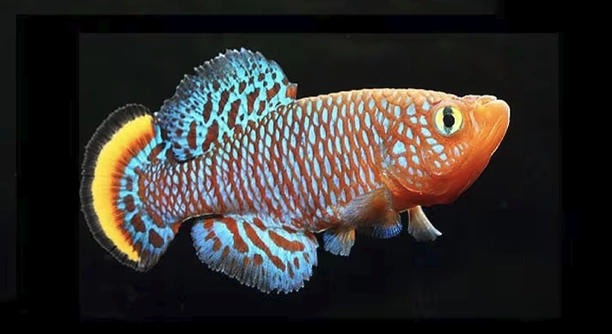
Do you ever notice your killi fish resting near the bottom of the tank and wonder if something might be wrong?
The most common reason killi fish rest near the bottom is stress or illness. Poor water quality, low oxygen levels, or sudden environmental changes can affect their behavior. Sometimes, it may also be part of their natural resting pattern.
Understanding the causes behind this behavior helps you create a more comfortable, stable environment for your killi fish to thrive.
Common Reasons Killi Fish Rest Near the Bottom
Killi fish often rest near the bottom when their environment causes stress or discomfort. Poor water quality, such as high ammonia or nitrate levels, is a major factor. A sudden drop in temperature, lack of hiding spots, or an overcrowded tank can also lead to this behavior. These fish are sensitive to change, and any shift in their routine or habitat may result in low activity. Some killi fish also naturally rest more during certain times of the day, especially if lighting is too bright or inconsistent. Watching their behavior closely can help you spot early signs of problems. If their colors fade or they stop eating, this may signal illness or poor tank conditions. Ensuring a well-maintained tank with stable parameters will keep your killi fish more active and relaxed. They thrive in peaceful environments where they feel safe and secure.
This behavior may not always signal danger, but it should never be ignored.
Taking note of their activity patterns, eating habits, and overall appearance helps you determine whether they are simply resting or something more serious is happening.
How to Improve Tank Conditions
Start by testing the water regularly using a reliable kit. Watch for ammonia, nitrite, and nitrate levels, and check pH and temperature.
Improving the tank setup can make a significant difference in your killi fish’s comfort. Clean the tank consistently, but avoid drastic changes during water changes, as this can add stress. Try to match the water temperature to the species’ ideal range, which usually falls between 72°F and 75°F. Reduce bright lighting and add floating plants or soft cover to mimic their natural habitat. If your tank houses multiple fish, ensure there’s enough space to reduce competition and territorial tension. Avoid sudden movements near the tank and keep noise to a minimum. Feed them a balanced diet and remove uneaten food to prevent waste buildup. A filter with gentle flow will help maintain oxygen levels. Small improvements in water quality and tank layout can help restore your killi fish’s health and bring back their usual activity level.
Signs Your Killi Fish May Be Unwell
Lethargy, loss of appetite, and dull coloration are often the first signs of illness. If your killi fish stays in one spot for long periods or avoids interaction, it may be experiencing stress or health problems.
Watch closely for clamped fins, rapid breathing, or white spots on the body, which could indicate infections like ich or bacterial issues. A bloated belly or stringy waste may suggest internal parasites. If your killi fish begins to swim erratically, flip upside down, or rub against objects, these are signs of deeper issues. Acting quickly helps prevent further decline. You can start with a partial water change and monitor conditions carefully before adding any treatments. Consider separating the affected fish to avoid spreading illness. Keeping a log of changes in their behavior or appearance can be helpful if you need to consult a vet or seek further guidance.
Stress often masks early illness, so observing daily routines is important. Small behavioral shifts may hint at underlying issues before physical symptoms appear. If your fish normally greets feeding time and suddenly loses interest, take it seriously. Early action helps improve recovery chances and ensures your tank remains stable for all inhabitants.
When Resting is Normal
Killi fish sometimes rest near the bottom when lights are too bright or when they feel safe and secure in their environment.
This behavior is more common during certain times of day, especially in low-light periods or after feeding. It may also be part of their natural rhythm, especially if they have enough shelter and are not disturbed by aggressive tank mates. A healthy killi fish will rest but still respond to movement or food. If they show normal coloration, active swimming at intervals, and consistent appetite, there’s likely no reason to worry. Provide a regular day-night lighting schedule and keep the tank layout calm and peaceful. Some killi species are naturally more relaxed than others and may enjoy staying near the bottom as long as conditions are ideal and no stress is present. Recognizing your fish’s normal resting pattern helps distinguish between illness and healthy behavior.
Behavioral Changes to Watch For
If your killi fish becomes less active or hides more than usual, something may be off in their environment or health. Track changes in behavior and compare them to their usual routine.
Sudden aggression or constant resting may also be signs of discomfort. Healthy fish typically have predictable, calm behavior patterns.
What to Do If You Notice a Problem
Start by testing your water parameters immediately. Check for ammonia, nitrite, nitrate, pH, and temperature. A sudden change in any of these can impact your fish’s behavior. Perform a partial water change if needed, and ensure your filtration system is functioning properly. Avoid adding new tank mates during this time. Watch your fish for the next 24–48 hours to track improvement. If behavior doesn’t change or worsens, consider isolating the fish in a separate tank for observation. Avoid overfeeding, and clean up leftover food to prevent added stress. If you’re unsure, reach out to a professional for guidance.
Final Thoughts
Catching small changes early can make a big difference in keeping your killi fish healthy and comfortable.
FAQ
Why does my killi fish rest near the bottom all the time?
Constant resting near the bottom often means your fish is stressed or not feeling well. Poor water quality, temperature fluctuations, or lack of hiding spaces can cause this behavior. It’s important to test the water and check for any sudden changes in the tank environment. If the fish looks weak, discolored, or refuses food, illness could be the reason. Sometimes, resting near the bottom is natural if the fish is simply relaxing or sleeping, but if it becomes a consistent pattern, it’s worth investigating.
Is it normal for killi fish to stay still at the bottom?
Yes, killi fish do rest and may stay still near the bottom at times, especially during low light or after feeding. This behavior is part of their natural rest cycle. However, if the stillness is accompanied by other signs like loss of appetite or faded colors, it may indicate stress or health issues.
Can poor water quality cause bottom resting?
Absolutely. Poor water quality is one of the main reasons for abnormal behavior in killi fish. High levels of ammonia, nitrites, or nitrates can make your fish uncomfortable and lead them to rest near the bottom. Frequent water testing and regular maintenance can prevent these issues.
How often should I test my tank water?
Testing once a week is a good routine for a stable tank. More frequent testing is recommended if you notice unusual fish behavior or after cleaning or adding new fish. Use a reliable water test kit to monitor ammonia, nitrite, nitrate, pH, and temperature.
What water temperature is best for killi fish?
Killi fish prefer temperatures between 72°F and 75°F (22°C to 24°C). Sudden drops or spikes in temperature can stress them, causing them to hide or rest near the bottom. Maintaining a steady temperature helps keep them active and healthy.
Can tank mates cause my killi fish to rest at the bottom?
Yes, aggressive or overly active tank mates can stress killi fish, causing them to hide or stay at the bottom to avoid conflict. It’s important to choose peaceful species and provide enough space and hiding spots for all fish.
Should I isolate a resting killi fish?
Isolation can be helpful if you suspect illness or bullying from other fish. Moving your killi fish to a quarantine tank allows you to monitor its condition closely and treat it if needed. Make sure the quarantine tank has similar water conditions to reduce additional stress.
What foods are best for killi fish?
Killi fish thrive on a varied diet of high-quality flakes, frozen or live foods like brine shrimp, daphnia, and bloodworms. Proper nutrition supports their health and energy levels, reducing lethargy.
How long do killi fish typically rest during the day?
Rest periods vary but usually last a few hours spread throughout the day, often when the tank lights are dim or during quiet times. They may become more active during feeding or when the lights are on.
Can overfeeding cause resting near the bottom?
Yes, overfeeding can pollute the water and cause digestive problems, making fish lethargic. Uneaten food decomposes and harms water quality, so feeding small amounts and removing leftovers is essential.
Are there natural hiding spots I can add to encourage healthy behavior?
Adding plants, rocks, and caves provides shelter and security. These help reduce stress and offer resting places, encouraging your killi fish to feel safe and active.
When should I consult a vet or fish expert?
If your fish shows persistent lethargy, visible wounds, or strange swimming patterns despite good water quality and care, seek professional advice. Early diagnosis helps improve treatment success.
Can lighting affect my killi fish’s resting habits?
Bright or inconsistent lighting can cause stress, leading to increased resting near the bottom. Using a timer for a consistent light schedule and adding shaded areas helps maintain a natural rhythm.
Is it normal for older killi fish to rest more?
Yes, older fish tend to be less active and may rest more. Keep an eye on their overall health and continue providing optimal care to support their comfort.
How can I reduce stress in my killi fish?
Maintain stable water conditions, avoid sudden changes, provide plenty of hiding spots, feed a balanced diet, and keep the tank environment calm. Stress reduction improves their activity and well-being.
Final Thoughts
Watching your killi fish rest near the bottom of the tank can be worrying at first. It is important to remember that this behavior is not always a sign of trouble. Sometimes, fish rest naturally or take breaks when the lighting is too bright or when they feel secure in their environment. Understanding what is normal for your fish helps you better notice when something is wrong. Regular observation is key. Look for any sudden changes in activity, appetite, or appearance. These small signs can give clues about your fish’s health and well-being before problems become serious.
Maintaining good water quality is one of the most important ways to keep your killi fish healthy and active. Testing the water regularly for ammonia, nitrites, nitrates, and pH helps you catch issues early. Making sure the temperature stays within the right range also plays a big role in their comfort. Avoid overcrowding your tank and provide plenty of hiding spaces. These simple steps can reduce stress and create a better environment for your fish. Clean the tank regularly but carefully to avoid shocking the fish with sudden changes. Feeding a balanced diet in the right amounts supports their health as well. Small changes to tank care often result in noticeable improvements in your fish’s behavior.
If you notice your killi fish resting near the bottom more often than usual, take action by checking water quality and tank conditions first. If the fish shows other signs of illness like faded colors, clamped fins, or loss of appetite, consider isolating it and seeking advice. Early intervention can make a big difference in recovery. Knowing your fish’s normal behavior and how to care for them helps you provide the best environment possible. With proper care and attention, your killi fish can stay healthy, active, and comfortable in their home.

Hello,
If you enjoy the content that we create, please consider saying a "Thank You!" by leaving a tip.
Every little bit helps us continue crafting quality advice that supports the health, happiness, and well-being of pets around the world, for pets of all shapes, sizes, and species.
We really appreciate the kindness and support that you show us!