
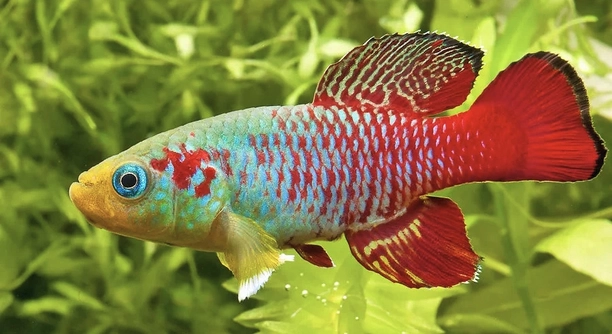
Killi fish are popular for their vibrant colors and peaceful nature in home aquariums. Sometimes, these small fish may stop eating, which can worry their owners. Understanding why they refuse food is important for their care and health.
Killi fish may refuse to eat due to stress, poor water quality, inappropriate diet, illness, breeding behavior, sudden environmental changes, or presence of aggressive tank mates. These factors directly affect their appetite and overall well-being.
Recognizing these causes can help you improve your killi fish’s environment and encourage healthy feeding habits over time.
Stress and Its Impact on Killi Fish Appetite
Stress is one of the main reasons killi fish stop eating. Changes in their environment, such as new tankmates, loud noises, or sudden movements, can make them anxious. Poor water quality or incorrect temperature also causes stress. When stressed, killi fish may hide and refuse food to protect themselves. Overcrowding in the tank can increase their stress levels, limiting their willingness to eat. Even handling the fish too often or disturbing the tank can have this effect. It is important to keep their environment calm and stable. Monitoring water parameters regularly helps reduce stress and supports healthy feeding habits.
Stress in killi fish often results in a drop in appetite and increased hiding behavior, making it harder to feed them properly.
Reducing stress can involve creating hiding spots using plants or decorations, maintaining consistent water temperature, and limiting sudden changes. Avoid overcrowding the tank and choose compatible tankmates to prevent aggression. A peaceful and stable environment helps killi fish feel safe enough to resume eating regularly.
Poor Water Quality and Feeding Problems
Poor water quality quickly affects killi fish health. Dirty water contains toxins like ammonia and nitrites that discourage eating. Regular water changes and testing keep the tank safe and comfortable for your fish.
Inappropriate Diet
Killi fish have specific dietary needs that must be met for them to stay healthy. Feeding them the wrong type or size of food can cause refusal to eat. Avoid offering only flakes or pellets, as variety is essential.
A balanced diet for killi fish includes live or frozen foods such as brine shrimp, daphnia, and bloodworms. These foods provide the protein and nutrients they need. Overfeeding can also discourage them from eating regularly, so it is important to offer small portions at consistent times. Introducing new food slowly helps killi fish adjust and accept it more easily.
Some killi fish may prefer moving prey, which encourages natural hunting behavior. Observing their preferences and adapting the diet accordingly can improve feeding success. Avoid using food that sinks too quickly or is too large for them to swallow comfortably.
Illness and Loss of Appetite
Illness often leads to a sudden drop in appetite among killi fish. Parasites, bacterial infections, or internal issues can make feeding difficult or painful, causing refusal to eat. Early detection is key to treatment.
Signs of illness include lethargy, faded color, clamped fins, and unusual swimming patterns. Quarantining sick fish helps prevent the spread of disease. Maintaining good tank hygiene and monitoring water quality reduce the chances of infection.
If illness is suspected, consulting a veterinarian or experienced aquarist is important. Proper diagnosis and medication can restore appetite and improve the fish’s overall health. Avoid feeding during severe illness to reduce stress and allow recovery.
Breeding Behavior
During breeding, killi fish often eat less or stop eating altogether. Males focus on courtship, while females may become picky or reduce food intake.
This behavior is natural and temporary. It usually improves once breeding activities decrease and normal routine returns.
Sudden Environmental Changes
Killi fish are sensitive to changes in their environment. Sudden shifts in light, temperature, or water chemistry can cause them to stop eating.
Keeping their habitat stable and introducing changes gradually helps maintain their appetite and overall health.
Presence of Aggressive Tank Mates
Aggressive fish can intimidate killi fish, causing stress and loss of appetite. It is important to select peaceful companions to ensure a calm tank environment.
Why is my killi fish not eating but still active?
When a killi fish is active but refuses to eat, it often signals mild stress or environmental discomfort rather than illness. Changes like new tankmates, water temperature fluctuations, or minor water quality issues can make the fish hesitant to eat. Sometimes they adjust to new surroundings slowly. Make sure the water parameters are stable and suitable for killi fish. Check for sudden noise or movement around the tank that might be causing distraction. Offering small amounts of live or frozen food can encourage feeding, as movement tends to stimulate their interest.
How long can killi fish go without eating?
Killi fish can survive several days without food, but going longer than a week without eating may lead to health problems. Short periods of fasting are usually not harmful, especially if the fish is not stressed or sick. However, if refusal to eat lasts more than a few days, it’s important to investigate possible causes such as water quality, illness, or stressors. During this time, avoid overfeeding once they resume eating to prevent digestive issues.
Can water temperature affect killi fish appetite?
Yes, water temperature plays a critical role in killi fish appetite. These fish prefer stable temperatures generally between 72°F and 78°F (22°C to 26°C). Temperatures outside this range can slow their metabolism, making them less hungry. Sudden drops or increases in temperature cause stress, which directly impacts feeding behavior. Maintaining consistent temperature with a reliable heater and thermometer supports healthy appetite and overall well-being.
What are signs of illness that cause killi fish to stop eating?
Signs of illness include lethargy, faded or dull colors, clamped fins, rapid gill movement, and abnormal swimming patterns such as floating sideways or sinking. White spots or lesions on the body may indicate parasites or fungal infections. Ill fish often isolate themselves and lose interest in food. Observing these signs early allows for prompt treatment. Quarantining sick fish and improving tank hygiene reduce the risk of spreading disease.
Is it normal for killi fish to refuse food after moving to a new tank?
Yes, killi fish often refuse food after being introduced to a new tank. The stress of moving and adapting to a different environment causes a temporary loss of appetite. It may take several days for them to settle and start eating again. Providing hiding places and maintaining optimal water quality during this period helps reduce stress and encourages feeding.
How can I encourage my killi fish to eat again?
Offering live or frozen foods such as brine shrimp or daphnia can stimulate interest because they mimic natural prey. Feeding small amounts multiple times a day instead of one large portion also helps. Ensuring the tank environment is calm, stable, and free from aggressive tankmates promotes comfort. Regularly monitoring water parameters and keeping the temperature steady supports their appetite. Avoid sudden changes and handle the fish gently.
Can aggressive tankmates cause my killi fish to stop eating?
Yes, aggressive or overly active tankmates can intimidate killi fish, making them hide and refuse food. Stress from bullying lowers their appetite and weakens the immune system. It is best to keep killi fish with peaceful species that share similar water requirements. Observing interactions and separating aggressive fish early helps maintain a healthy feeding routine.
Does breeding affect feeding habits in killi fish?
During breeding periods, both male and female killi fish often reduce their food intake. Males focus on courting behaviors, while females may become selective or avoid food. This temporary change is normal and usually resolves once breeding activities decline. Providing nutritious food and maintaining excellent water quality supports them through this stage.
How often should I feed my killi fish?
Feeding killi fish once or twice daily with small amounts is ideal. They eat best in small portions that they can finish within a few minutes. Overfeeding leads to poor water quality and can cause them to refuse food. Removing uneaten food after feeding helps keep the tank clean and prevents illness.
Can water quality issues cause killi fish to stop eating?
Poor water quality is a common reason for loss of appetite in killi fish. High levels of ammonia, nitrites, or nitrates create a toxic environment, stressing the fish and making them stop eating. Regular water testing and partial water changes are essential to maintain a safe habitat. Keeping the tank clean and properly filtered supports good health and normal feeding behavior.
Killi fish are delicate creatures that require careful attention to their environment and diet. When they stop eating, it often signals an issue that needs to be addressed promptly. Many factors can cause this behavior, including stress, poor water quality, illness, and changes in their surroundings. Understanding these reasons helps prevent long-term health problems and ensures your fish remain healthy and active. Keeping their habitat stable and meeting their dietary needs are essential steps to support their well-being.
It is important to monitor the tank regularly for any signs of trouble. Checking water parameters such as temperature, pH, ammonia, nitrite, and nitrate levels keeps the environment safe. Stress can come from aggressive tankmates, overcrowding, or sudden changes, so it is crucial to create a calm space for your killi fish. Offering a varied diet that includes live or frozen foods encourages natural feeding behavior and meets their nutritional requirements. Patience is necessary during periods of breeding or adjustment to new conditions, as changes in appetite during these times are normal.
Taking the time to learn about your killi fish’s needs and behaviors will make caring for them more rewarding. Addressing feeding problems early prevents more serious issues and supports a longer, healthier life for your fish. Small changes in tank care and diet often result in big improvements. Consistency and careful observation are key to keeping your killi fish eating well and thriving in their aquatic home.

Hello,
If you enjoy the content that we create, please consider saying a "Thank You!" by leaving a tip.
Every little bit helps us continue crafting quality advice that supports the health, happiness, and well-being of pets around the world, for pets of all shapes, sizes, and species.
We really appreciate the kindness and support that you show us!