
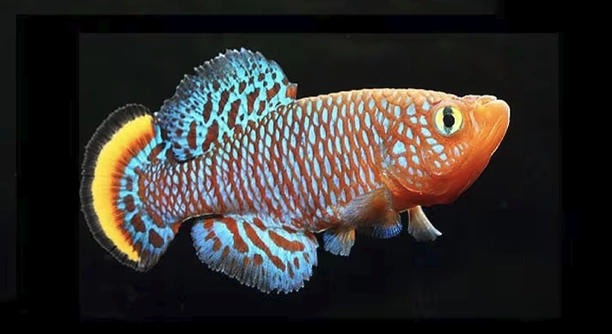
Many aquarium enthusiasts enjoy keeping killifish for their vibrant colors and interesting behaviors. These small fish come in many species, each with unique needs and temperaments. Understanding how they interact is important when considering housing multiple species together.
Housing multiple killifish species together is possible but requires careful planning. Compatibility depends on species size, temperament, and environmental needs. Providing adequate space, hiding spots, and maintaining water quality are essential to reduce aggression and stress among different killifish.
Learning the right conditions for mixing killifish can create a harmonious tank. This article explores key factors for successful multi-species killifish care.
Understanding Killifish Behavior
Killifish vary widely in behavior, from peaceful to territorial. Some species prefer solitude, while others tolerate or even enjoy company. Aggression often arises from competition for food or space, especially in smaller tanks. Recognizing individual species’ temperaments helps prevent conflicts when housing multiple killifish together. For example, large, more aggressive species may intimidate smaller, shy ones. Providing plenty of plants, hiding spots, and visual barriers can reduce stress and territorial disputes. It is also important to observe interactions closely during the first weeks to catch any signs of persistent aggression early. Adjusting the environment or separating incompatible fish will maintain a healthier tank.
Knowing these behavioral patterns allows for better tank management. Each species’ social tendencies should guide your decisions on tank mates and layout.
Careful observation during initial introduction can prevent many common issues. Establishing a peaceful environment is essential for killifish well-being and longevity.
Tank Setup for Multiple Killifish Species
A larger tank is necessary when housing different killifish species. More space reduces competition and allows natural territories to form. A minimum of 20 gallons is recommended for mixed-species tanks, but bigger is always better. Plants and decorations serve dual purposes: they provide hiding places and break sight lines to decrease aggression. Dense planting mimics natural habitats and offers shelter for timid fish. Substrate choice matters too; some killifish prefer sandy or fine gravel bottoms for spawning. Maintaining stable water parameters suitable for all species involved is critical. Regular water changes and quality filtration prevent stress and disease. Combining species with similar environmental needs simplifies care and enhances compatibility.
Monitoring and Maintaining a Mixed Killifish Tank
Regular monitoring is key when keeping multiple killifish species together. Look for signs of stress such as torn fins, hiding, or reduced activity. Adjust feeding schedules and types to suit all species, ensuring everyone receives proper nutrition. Avoid overcrowding by limiting fish numbers according to tank size. Introducing new fish should be done gradually, using quarantine tanks to prevent disease transmission. Over time, social hierarchies usually stabilize, but vigilance remains important. Prompt action in case of persistent aggression or illness will protect all fish. With proper care, a mixed-species killifish tank can thrive, showcasing diverse colors and behaviors.
Maintaining balance in the tank environment fosters long-term health and enjoyment for both fish and keeper.
Selecting Compatible Killifish Species
Compatibility is key when mixing killifish species. Choose species with similar temperaments and environmental needs to reduce stress and aggression. Avoid combining highly territorial species with peaceful ones, as this can lead to constant conflict and injury.
Species like Aphyosemion and Fundulopanchax often coexist well in a community tank if their space requirements are met. Both tend to be moderately peaceful but still appreciate plenty of hiding spots. It’s best to research each species’ adult size and behavior before mixing. Avoid pairing aggressive or large killifish with smaller, shy species that may become stressed or bullied.
Pay attention to water conditions each species prefers. Some killifish favor slightly acidic water, while others do better in neutral to slightly alkaline conditions. Finding a middle ground will help maintain the health of all fish in the tank. Proper species selection prevents many common problems and keeps the tank balanced.
Feeding Multiple Killifish Species Together
Feeding killifish in a mixed-species tank requires attention to their individual diets. Most killifish are carnivorous, preferring live or frozen foods such as bloodworms, brine shrimp, or daphnia. Offering a variety of food types ensures all species get the nutrients they need. Feed small amounts multiple times daily to mimic natural feeding habits and reduce competition.
Separate feeding spots help prevent dominant fish from monopolizing food, giving shy species a chance to eat. Observing feeding behavior can highlight any nutritional gaps or aggression. Avoid overfeeding, as uneaten food can foul the water quickly, stressing all inhabitants.
Adjusting feeding routines and diet variety supports the health of each species and maintains harmony. Consistent feeding care plays a significant role in successful multi-species killifish tanks.
Common Challenges in Mixed Killifish Tanks
Aggression is the most frequent challenge when housing multiple killifish species. Territorial disputes can lead to stress and injury if not managed properly.
Another common issue is differing environmental needs, which can make it difficult to maintain water conditions suitable for all species. Monitoring closely is essential.
Preventing Aggression Among Killifish
Aggression can be reduced by providing ample space and hiding spots. Visual barriers help break line of sight between aggressive fish.
Regularly rearranging tank decorations can prevent territory establishment. Keeping a balanced number of males and females also reduces competition and stress.
Water Quality Management
Maintaining stable water quality is vital. Frequent water changes and efficient filtration prevent buildup of harmful toxins.
Testing water parameters regularly ensures the tank environment remains healthy for all species, supporting their long-term well-being.
Breeding Considerations
Breeding multiple species together can be complicated. Eggs and fry may be eaten or outcompeted.
Separate breeding tanks are often necessary to protect offspring and maintain species diversity within the aquarium.
Can different killifish species live together peacefully?
Yes, different killifish species can live together peacefully if their temperaments and environmental needs are compatible. It is important to choose species with similar sizes and behaviors to avoid aggression. Providing plenty of hiding spaces and a large enough tank also helps reduce conflicts. However, some killifish are naturally territorial, so mixing them requires careful planning and observation.
What tank size is ideal for housing multiple killifish species?
A larger tank is always better when housing multiple killifish species. A minimum of 20 gallons is recommended, but bigger tanks offer more space for territories and reduce competition. Larger tanks allow you to create separate zones with plants and decorations, helping to prevent aggression and stress among the fish.
How should I arrange plants and decorations for mixed killifish tanks?
Dense planting and strategically placed decorations create natural hiding spots and visual barriers. These help break line of sight between aggressive fish and give shy species places to retreat. Using a mix of floating plants, tall stems, and broad-leafed varieties mimics natural environments and encourages natural behavior.
Do killifish require special water conditions in mixed-species tanks?
Killifish generally prefer clean, well-oxygenated water, but specific species may have different preferences for pH, hardness, or temperature. When mixing species, aim for water parameters that accommodate all fish involved. Testing and maintaining stable water quality through regular changes is crucial for their health.
How often should I feed killifish in a mixed tank?
Feeding small amounts two to three times daily works well. Killifish usually eat live or frozen foods like bloodworms, brine shrimp, or daphnia. Offering a variety of foods ensures all species get proper nutrition. Multiple feeding spots prevent dominant fish from outcompeting others.
What signs indicate aggression or stress in killifish?
Look for torn fins, chasing, hiding, or reduced activity. Fish that are constantly bullied may lose color or stop eating. Early detection allows you to make changes such as rearranging the tank or separating aggressive individuals to protect all fish.
Can killifish species hybridize in a mixed tank?
Hybridization can occur between closely related killifish species. While some keepers avoid mixing species to prevent this, others may not mind. If breeding pure species is important, it’s best to keep species separate or use dedicated breeding tanks.
Is breeding killifish in a mixed-species tank possible?
Breeding in mixed tanks is difficult because eggs and fry may be eaten or outcompeted. Many keepers use separate breeding tanks to protect offspring and ensure successful hatching. Some species lay eggs on specific plants or substrates, so providing these can help encourage spawning.
How can I introduce new killifish to a mixed-species tank?
Introduce new fish slowly to reduce stress and aggression. Quarantine new additions for at least two weeks to prevent disease. When adding them to the main tank, rearranging decorations beforehand can disrupt established territories, helping new fish settle in more easily.
What are the best killifish species for community tanks?
Species like Aphyosemion australe, Fundulopanchax gardneri, and Nothobranchius rachovii are known to be relatively peaceful and adapt well to community tanks with other killifish. These species generally tolerate tank mates and have similar care requirements, making them good choices for mixed setups.
How important is water temperature for mixed killifish tanks?
Temperature affects metabolism and behavior. Most killifish thrive between 72–78°F (22–26°C). Keeping a stable temperature within this range supports health and reduces stress. Sudden changes or extremes can cause illness and increase aggression.
What filtration system is best for killifish community tanks?
A gentle but effective filter is ideal. Killifish prefer calm water with good oxygenation but dislike strong currents. Sponge filters or adjustable flow filters work well, ensuring water stays clean without stressing the fish.
How many males should I keep with females in a mixed killifish tank?
Keeping more females than males helps reduce male aggression and competition. A ratio of at least two females per male is recommended. This balance allows males to display natural behaviors without overwhelming any single female.
Are killifish sensitive to water chemistry changes?
Yes, killifish can be sensitive to sudden changes in pH, hardness, or other water parameters. Regular testing and gradual adjustments help maintain stable conditions. Keeping the water clean and well-maintained supports their immune systems and overall health.
Can killifish live with other fish species?
Some killifish can live peacefully with small, non-aggressive fish that share similar water needs. However, many killifish are territorial and may attack or be stressed by other species. Careful research and monitoring are necessary when considering mixed-species community tanks.
How do I manage tank cleaning with multiple killifish species?
Regular water changes, substrate vacuuming, and filter maintenance keep water quality high. Cleaning should be gentle to avoid disturbing territories or stressing fish. Maintaining a clean tank prevents disease and supports a balanced environment for all killifish.
Keeping multiple killifish species together can be rewarding but requires careful planning and attention. Understanding the behavior and needs of each species is essential before combining them in one tank. Some killifish are peaceful, while others are more territorial, and mixing incompatible species can lead to stress and aggression. Providing a large tank with plenty of hiding spaces helps reduce conflict and supports the well-being of all fish. It is important to research each species thoroughly and consider their adult size, temperament, and water preferences.
Maintaining proper water quality and feeding routines is also key when housing different killifish species together. Regular water changes, good filtration, and stable water parameters help create a healthy environment. Feeding a varied diet in small amounts throughout the day ensures that all species receive adequate nutrition without causing excessive waste in the tank. Observing fish closely for signs of stress or aggression allows for quick adjustments if problems arise. Sometimes rearranging tank decorations or separating aggressive individuals is necessary to maintain harmony.
Finally, patience and vigilance are needed for success. Mixed-species killifish tanks are not always straightforward, but with consistent care and attention, they can thrive. Understanding the unique needs of each species and monitoring their interactions closely makes it possible to enjoy a colorful, diverse aquarium. While challenges can occur, taking steps to minimize stress and provide the right environment supports the health and happiness of all fish in the tank. This approach makes keeping multiple killifish species together both manageable and enjoyable.

Hello,
If you enjoy the content that we create, please consider saying a "Thank You!" by leaving a tip.
Every little bit helps us continue crafting quality advice that supports the health, happiness, and well-being of pets around the world, for pets of all shapes, sizes, and species.
We really appreciate the kindness and support that you show us!