
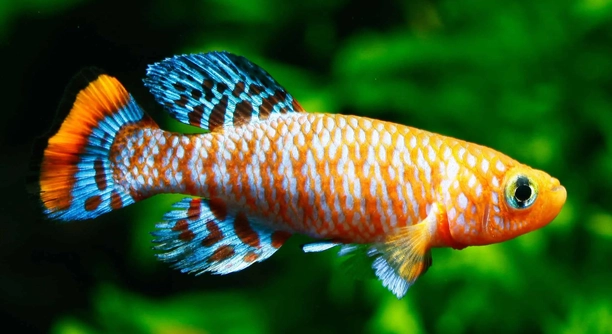
Killi fish are popular freshwater pets known for their vibrant colors and unique behaviors. Many fishkeepers enjoy caring for them but often wonder about the best water conditions to keep them healthy. One important factor is maintaining the right pH level in their aquarium.
The optimal pH range for killi fish typically falls between 6.0 and 7.5. This slightly acidic to neutral environment supports their natural habitat conditions and helps maintain their overall health and well-being. Consistently stable pH levels are crucial for avoiding stress and disease in these fish.
Proper pH management can make a big difference in your killi fish’s life. Understanding the ideal water conditions will help you create a comfortable and thriving environment for your aquatic pets.
Understanding pH and Its Importance for Killi Fish
pH measures how acidic or basic water is, ranging from 0 to 14, with 7 being neutral. For killi fish, keeping the water within the right pH range is essential because it affects their bodily functions and stress levels. Water that is too acidic or too alkaline can harm their skin, gills, and overall health. Killi fish naturally live in waters that are slightly acidic to neutral, so matching this environment helps them thrive. Sudden pH changes can cause shock, weakening their immune system and making them vulnerable to illness. Regular testing with a reliable pH meter or test strips can prevent problems before they start. Consistent water maintenance also supports beneficial bacteria growth in the tank, which is vital for breaking down waste and keeping water clean. By keeping pH stable, you ensure your killi fish live in a comfortable, safe home where they can grow and display their natural colors.
Maintaining pH balance supports not only fish health but also the overall aquarium ecosystem. Stability matters most.
Water chemistry in a killi fish tank involves more than pH alone. Parameters like hardness and temperature interact with pH to create an ideal environment. Soft, slightly acidic water mimics their natural habitat, which helps reduce stress. When setting up or adjusting your tank, introduce changes gradually to avoid shocking the fish. Using natural decorations like driftwood or peat moss can help lower pH slowly and safely. Avoid using chemicals or substances that cause rapid swings. Also, regular partial water changes dilute any buildup of acids or bases, keeping pH within range. Monitoring and managing these factors together supports healthy fish behavior and longevity. Understanding these details allows for a well-balanced, stable aquarium suited to killi fish needs.
Adjusting pH Levels in Your Aquarium
Many common products can help adjust pH, but choosing the right one is important to avoid harming your fish. Test kits and natural methods are preferred.
You can raise pH by adding crushed coral or limestone, which slowly releases minerals into the water. To lower pH, natural additives like peat moss or almond leaves work well and provide a gentle effect. Always introduce adjustments little by little over days or weeks. Rapid changes can cause stress and health problems for your killi fish. Keep testing water regularly to track progress. If unsure, seek advice from experienced fishkeepers or professionals. Proper adjustment creates a stable environment that promotes healthy behavior, coloration, and reproduction in your killi fish. Staying patient and consistent is key when working with pH adjustments in an aquarium.
Common pH Problems in Killi Fish Tanks
pH swings are a frequent issue in killi fish tanks. These fluctuations can stress the fish and reduce their lifespan if not controlled.
Sudden changes in pH often happen because of overfeeding, decaying plants, or insufficient water changes. Uneaten food and waste produce acids that lower pH over time. In a closed system like an aquarium, these changes can occur quickly without proper care. Keeping a consistent cleaning schedule and avoiding overfeeding helps prevent these issues. Regular testing is important to catch pH changes early before fish get stressed. Using stable water sources and buffering materials can also reduce pH swings and maintain a healthier environment.
pH drops can also result from using certain substrates or decorations that acidify the water. Test any new additions before putting them in the tank. Adjusting pH too quickly in response to a problem may worsen stress, so take gradual steps. Patience and routine maintenance are the best tools for managing pH problems.
Effects of Incorrect pH on Killi Fish
Incorrect pH can weaken the immune system of killi fish, making them more prone to diseases and infections. This reduces their energy and affects their behavior.
If the pH is too low or too high, killi fish may stop eating, become lethargic, or show signs of stress such as rapid gill movement or hiding. Over time, harmful bacteria and parasites can thrive in unstable water conditions, increasing the risk of illness. Fish may also lose their vibrant colors and have trouble breeding. Maintaining proper pH levels helps keep fish active and healthy. A balanced environment supports natural behaviors and ensures better survival rates for young fish. Regular monitoring and gentle adjustments help prevent these negative effects and improve overall tank health.
How to Test pH Levels Accurately
Using reliable test kits is essential for accurate pH readings. Test strips and liquid kits are common options, but liquid kits tend to be more precise.
Test water regularly, especially after changes or maintenance. Keep a log to track fluctuations and spot trends early. Consistent testing helps maintain stable conditions for your killi fish.
Best Practices for Maintaining Stable pH
Avoid sudden changes by adding water conditioners or natural buffering agents slowly. Always match new water’s pH to the tank before adding it.
Regular partial water changes help dilute harmful substances that affect pH. Cleaning the tank and removing decaying material also supports stability. Patience and routine care make a big difference in keeping your aquarium balanced.
Using Natural Methods to Control pH
Driftwood and peat moss naturally lower pH by releasing tannins into the water. These materials also give the tank a soft, natural look.
Using natural methods reduces chemical use and supports a healthier environment for your killi fish.
Signs Your Killi Fish Are Stressed by pH
Stress signs include sluggish movement, loss of appetite, and faded colors. Fish may also hide more than usual or breathe rapidly.
What is the ideal pH range for killi fish?
The best pH range for killi fish is generally between 6.0 and 7.5. This range reflects the slightly acidic to neutral waters they naturally live in. Staying within this range helps maintain their health and prevents stress. Regular testing keeps the pH stable and suitable.
How often should I test the pH in my killi fish tank?
Testing once a week is a good routine for most tanks. If you notice sudden changes or add new decorations or water, test more often. Keeping a log of pH readings can help you spot trends and act early to avoid problems.
Can killi fish tolerate pH outside the ideal range?
Killi fish can survive briefly outside the ideal pH, but prolonged exposure to too acidic (below 6.0) or too alkaline (above 7.5) water causes stress, weakens their immune system, and can lead to illness or death. Avoid extreme pH fluctuations.
What causes pH changes in a killi fish aquarium?
Common causes include decaying food, waste buildup, overfeeding, and the type of substrate or decorations used. Chemical additives and source water can also influence pH. Regular water changes and careful maintenance reduce these risks.
How can I safely lower the pH in my tank?
Using natural additives like peat moss or almond leaves slowly lowers pH by releasing tannins. You can also use driftwood for a gradual effect. Avoid chemicals that cause sudden shifts. Always make changes slowly and monitor fish closely.
What if the pH is too high in my aquarium?
To raise pH, add crushed coral or limestone to the tank. These materials release minerals that increase alkalinity over time. Be patient with adjustments. Rapid changes can stress your fish and cause health issues.
Are test strips or liquid test kits better for measuring pH?
Liquid test kits usually provide more accurate and clear readings than test strips. Strips can be convenient but may not detect small changes. Investing in a quality liquid test kit is worthwhile for maintaining proper conditions.
Can stable pH improve breeding success in killi fish?
Yes, stable pH within the ideal range encourages natural breeding behavior and improves egg survival. Fluctuating pH stresses the fish, reducing spawning and hatching rates. Consistency helps create a healthy environment for raising fry.
What should I do if my killi fish show signs of pH stress?
First, test your water to confirm pH levels. If off, adjust slowly using natural methods. Increase water changes and remove uneaten food or debris. Observe fish closely and avoid sudden changes. If symptoms persist, seek advice from an experienced aquarist or vet.
Is tap water suitable for killi fish tanks regarding pH?
Tap water varies widely in pH depending on location and treatment. Always test tap water before using it. If it’s outside the ideal range, treat or mix it with conditioned water to adjust pH. Using reverse osmosis (RO) water mixed with minerals is another option for better control.
How does pH affect beneficial bacteria in the tank?
Beneficial bacteria that break down waste work best in stable, near-neutral pH. If pH swings too low or high, these bacteria die off, leading to poor water quality and harmful ammonia buildup. Maintaining stable pH supports a healthy biological filter.
Can plants affect the pH of a killi fish tank?
Yes, live plants can influence pH. Some plants release acids that lower pH, while others have less effect. Decaying plant matter can also acidify water if not removed. Choosing suitable plants and regular tank cleaning helps maintain balanced pH.
What are common signs of poor water quality related to pH issues?
Cloudy water, algae blooms, fish gasping at the surface, and unusual fish behavior like lethargy or aggression can indicate water quality problems linked to pH imbalance. Testing and correcting pH quickly can prevent worsening conditions.
Is it necessary to use pH stabilizers in a killi fish tank?
Not always. If you maintain regular water changes and monitor water chemistry carefully, natural buffering is often enough. However, in tanks with unstable water sources, pH stabilizers can help maintain consistency but should be used cautiously.
How does temperature interact with pH in the aquarium?
Temperature affects water chemistry and fish metabolism. Higher temperatures can lower pH slightly and speed up fish metabolism, increasing waste production. Balancing temperature and pH together ensures a stable, healthy environment for killi fish.
Can I rely on aquarium decorations to manage pH?
Some decorations like driftwood and crushed coral influence pH, but their effects can vary and take time. Use these alongside testing and water management, not as the sole method for controlling pH. Understanding their impact helps you make better choices.
Maintaining the right pH level is an important part of keeping killi fish healthy and happy. Their natural environment usually has water that is slightly acidic to neutral, so replicating these conditions in an aquarium is best. When the pH stays within the ideal range, between 6.0 and 7.5, the fish experience less stress and are less likely to get sick. Keeping this balance is not difficult, but it does require regular attention to water quality. Testing the pH regularly helps catch any changes early, so you can make adjustments before problems arise.
It is important to remember that sudden shifts in pH are more harmful than being slightly off the ideal range for a short time. Rapid changes can shock the fish and weaken their immune systems, making them vulnerable to diseases. To avoid this, any adjustments to pH should be done slowly and carefully. Using natural methods like adding peat moss or driftwood helps lower pH gently, while materials like crushed coral can raise it gradually. Along with this, regular partial water changes and good tank maintenance keep the water clean and help maintain stable conditions.
Finally, patience and consistency are key when managing pH in a killi fish tank. It may take time to get everything balanced just right, but steady care and monitoring will pay off with healthier, more vibrant fish. Each aquarium is unique, so observing how your fish respond to changes can guide you in fine-tuning the environment. Remember, a stable and suitable pH is part of providing the best possible home for your killi fish, helping them live longer and show their full natural beauty.

Hello,
If you enjoy the content that we create, please consider saying a "Thank You!" by leaving a tip.
Every little bit helps us continue crafting quality advice that supports the health, happiness, and well-being of pets around the world, for pets of all shapes, sizes, and species.
We really appreciate the kindness and support that you show us!