
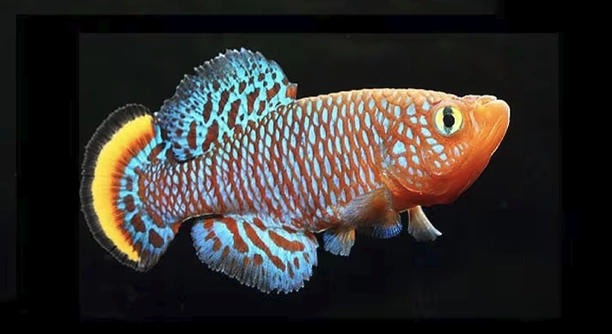
Killi fish are beautiful and delicate pets that require special care to thrive. Many common household items and habits can unintentionally harm these small fish. Knowing what to avoid helps maintain a healthy environment for them.
Certain items such as copper-based medications, untreated tap water, sharp decorations, poor-quality food, improper lighting, excessive handling, and unsuitable tank mates are harmful to killi fish. These factors can cause stress, illness, and even death, making it essential to avoid them.
Understanding these risks will help you protect your killi fish and keep them healthy for years to come. The following list explains which items to avoid and why they are dangerous.
Copper-Based Medications
Copper-based medications are often used to treat fish diseases, but they can be extremely toxic to killi fish. Even small amounts of copper in the water can harm their delicate system, leading to serious health issues or death. It’s important to avoid using any treatments that contain copper if you keep killi fish. Instead, seek out alternative medications that are safe for them. Always read the label carefully before adding anything to the tank.
Copper accumulates in the fish’s body and can cause organ failure over time. The symptoms might not be visible immediately, making it even more dangerous.
To keep your killi fish safe, use copper-free treatments and test your water regularly. This helps maintain a healthy environment and prevents accidental poisoning.
Untreated Tap Water
Untreated tap water often contains chlorine and heavy metals, which are harmful to killi fish. These substances can irritate their gills and skin, causing stress and illness. Always treat tap water with a water conditioner before adding it to your tank. This removes harmful chemicals and makes the water safe for your fish.
Using untreated water can lead to poor health and shorten the life of your killi fish. Conditioning water is a simple step that ensures their environment stays healthy.
To avoid problems, always prepare your water in advance. Use a reliable conditioner and check your water parameters regularly to keep conditions stable and safe for your fish.
Sharp Decorations
Sharp decorations in the tank can injure your killi fish easily. Their delicate fins and bodies are vulnerable to cuts and tears, which can lead to infections. Choosing smooth or rounded decorations is safer and helps prevent injuries.
Injuries from sharp objects may not heal quickly for killi fish. These wounds can become infected, causing stress and illness. Avoid using sharp-edged rocks, broken pottery, or rough plastic ornaments. Instead, opt for natural, smooth stones or specially designed aquarium decorations that prioritize fish safety. Regularly inspect the tank decorations to ensure they remain safe over time and replace anything that could cause harm.
Providing a safe environment with gentle decorations reduces risks and helps killi fish swim freely without danger. Their well-being depends on a comfortable and secure habitat.
Poor-Quality Food
Feeding your killi fish poor-quality food can cause nutritional deficiencies and weaken their immune system. Low-grade flakes or pellets might not provide the nutrients they need, leading to health problems.
Choosing high-quality food made specifically for killi fish or small carnivorous fish is important. These foods contain balanced nutrients and help maintain their vibrant colors and activity levels. Avoid overfeeding, as uneaten food can pollute the water and increase the risk of disease. Supplementing with live or frozen foods like brine shrimp or daphnia adds variety and mimics their natural diet.
Feeding well ensures your killi fish stay healthy and active, promoting longer life and better overall condition. Consistent nutrition supports their natural behaviors and vitality.
Improper Lighting
Too much light can stress killi fish and disrupt their natural behavior. Bright, constant lighting may cause anxiety and reduce their activity. Use dim or adjustable lighting to mimic their natural environment.
Providing a regular day-night cycle helps maintain their health. Avoid direct sunlight to prevent algae growth and temperature fluctuations.
Excessive Handling
Handling killi fish often can cause stress and physical damage. Their small size makes them vulnerable to injury when touched or moved frequently. Minimize handling to keep them calm.
Stress from excessive handling weakens their immune system and increases disease risk. Use a soft net only when necessary, such as during tank cleaning or relocation.
Unsuitable Tank Mates
Killi fish are peaceful but can be bullied by aggressive or larger fish. Choosing tank mates that match their size and temperament is crucial for a calm environment. Aggressive companions may cause injury or constant stress.
Keep killi fish with small, non-aggressive species or alone to avoid conflict. Monitor interactions regularly and separate fish if signs of bullying appear to protect their well-being.
FAQ
What are the signs that something is harming my killi fish?
If your killi fish show signs of lethargy, loss of appetite, torn fins, or unusual swimming behavior, it could mean they are stressed or injured. Watch for discoloration or spots, which may indicate illness caused by harmful conditions in the tank.
How often should I test my aquarium water?
Testing your aquarium water weekly is ideal to catch harmful changes early. Check for ammonia, nitrite, nitrate, pH, and hardness. Maintaining stable water conditions prevents stress and disease in killi fish.
Can I use regular fish food for killi fish?
Regular fish food is often not suitable. Killi fish need protein-rich diets, so specialized food or live and frozen foods like brine shrimp are better choices. This supports their health and natural behavior.
Is it okay to keep killi fish with other species?
Killi fish prefer peaceful tank mates of similar size. Avoid aggressive or larger fish that may bully or harm them. Keeping them with calm species helps reduce stress and promotes a peaceful tank environment.
How do I safely clean my killi fish tank?
Use gentle water changes of about 20% weekly, avoiding strong chemicals. Remove debris carefully without disturbing the fish too much. Always treat tap water with a conditioner before adding it to the tank.
Can copper be found in tap water?
Yes, trace amounts of copper can exist in tap water, especially from old pipes. Always use a water conditioner that neutralizes copper and other heavy metals to protect your killi fish from poisoning.
What type of decorations are best for killi fish tanks?
Choose smooth, rounded decorations without sharp edges to prevent injuries. Natural plants and soft substrates provide shelter and reduce stress. Avoid anything that might break or have rough surfaces.
How do I handle killi fish safely if needed?
Minimize handling and only use a soft net when necessary, such as during tank cleaning or transfers. Wet your hands before touching to protect their slime coat. Excessive handling can cause stress and injury.
Why is proper lighting important for killi fish?
Proper lighting mimics their natural habitat and supports normal behavior. Too much light can stress them, while too little may affect plant growth and water quality. Use dimmable or adjustable lighting for balance.
How can I tell if my killi fish are stressed?
Signs of stress include hiding constantly, erratic swimming, faded colors, and loss of appetite. Stress lowers their immunity, making them vulnerable to illness. Identify and remove any harmful factors to improve their health.
Final Thoughts
Taking care of killi fish means understanding what can harm them and avoiding those risks. These small fish are sensitive to their environment, so even minor mistakes can lead to serious health problems. Paying attention to the water quality, decorations, food, and tank mates makes a big difference. It is important to keep their home clean and safe, with water that is free from harmful chemicals like copper and chlorine. Using proper water conditioners and testing the water regularly helps maintain a stable and healthy environment.
Providing a calm and secure tank is equally important. Decorations with sharp edges or rough surfaces can cause injuries, so choosing smooth and natural materials is best. Overhandling can stress the fish and increase the chance of disease, so it should be avoided unless absolutely necessary. Feeding them good-quality food tailored to their needs supports their health and helps them thrive. Additionally, selecting peaceful tank mates prevents bullying and reduces stress, allowing your killi fish to behave naturally and enjoy their surroundings.
Understanding these basic care rules can help you keep your killi fish healthy and happy for a long time. Avoiding harmful items and habits is a simple way to protect your fish and enjoy their beauty without worry. When their environment is safe and comfortable, killi fish can display their full colors and lively personalities. With consistent care and attention, these unique fish can be a rewarding part of your aquarium.

Hello,
If you enjoy the content that we create, please consider saying a "Thank You!" by leaving a tip.
Every little bit helps us continue crafting quality advice that supports the health, happiness, and well-being of pets around the world, for pets of all shapes, sizes, and species.
We really appreciate the kindness and support that you show us!