
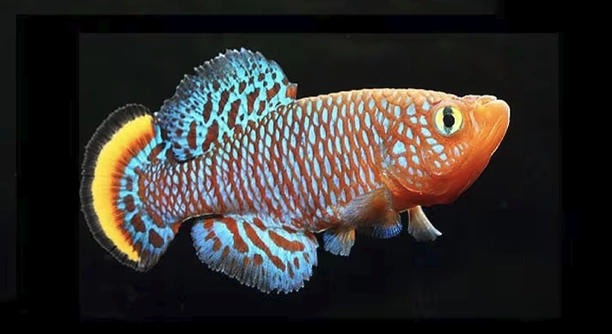
Are your killifish looking dull or not as active as they used to be? Indian almond leaves might help change that. These leaves have been widely used by aquarists to promote fish health naturally.
To use Indian almond leaves for killifish, simply add one dried leaf per 10 gallons of water. The leaves release tannins that lower pH, reduce stress, and create a more natural habitat. Replace every few weeks for best results.
These simple leaves offer more than just decoration—they support the overall health and comfort of your killifish.
What Indian Almond Leaves Do for Killifish
Indian almond leaves release tannins into the water, which slightly tint it and create conditions similar to a killifish’s natural habitat. This helps reduce stress and can even encourage better coloring and breeding behavior. The leaves also contain antibacterial and antifungal properties, which help support a healthier tank environment. Killifish, which often come from soft, acidic waters, benefit from the mild pH-lowering effect the leaves provide. These conditions can improve their immunity and reduce the risk of infections. Many aquarists also use the leaves to condition the water before introducing new fish, especially delicate or wild-caught species.
The leaves slowly break down over time, releasing beneficial compounds. This gradual process keeps the water stable and safe.
You don’t need to do much to use them—just rinse off a leaf and place it directly into the tank. Within a day or two, you’ll start seeing a mild tea-colored tint.
How to Use and Maintain Them
Start by using one whole dried Indian almond leaf for every 10 gallons of water. Let it float or sink naturally.
The leaves will take about a week to start breaking down. You can leave them in until they’re almost gone, or remove the remains after three weeks. If your tank is smaller, consider breaking the leaf into halves to prevent lowering the pH too much. Using a mesh bag can help contain the leaf pieces and keep your tank cleaner, especially if you’re concerned about appearance. There’s no need to boil or soak the leaves in advance unless you want to reduce the initial dark tint. When replacing old leaves, do so gradually to maintain consistent water conditions. Too many new leaves at once can release tannins quickly and shift the water chemistry. Store your dried leaves in a cool, dry container, and avoid using leaves collected from unknown outdoor areas. Stick to those sold for aquarium use to avoid pesticides or contamination.
Choosing the Right Leaves
Use whole, dried Indian almond leaves that are free of pesticides or chemicals. Leaves sold specifically for aquariums are the safest option. Avoid collecting them from outdoors unless you’re sure they are clean and properly dried.
Store-bought leaves are usually medium to large in size, and one is enough for 10 gallons. If your tank is smaller, break the leaf in half or even into quarters. Some aquarists prefer pre-cut or shredded versions, which spread out faster in the water but may need to be contained in a mesh bag to avoid mess. Always rinse the leaf before adding it to the tank. Do not boil unless you want to reduce the tannin effect. Whole leaves last longer and break down slowly, providing a steady release of beneficial compounds. Stick to brands that clearly state the source and drying method for peace of mind.
Check for mold, excessive brittleness, or an odd smell.
You can also find leaves vacuum-sealed or packed in airtight containers for better preservation. If they arrive damp or with signs of rot, don’t use them. A good leaf should feel dry and slightly stiff, with a natural brown color and no oily residue. Keep your unused leaves in a dry container, away from direct sunlight or humidity. A paper bag or breathable box works better than plastic, which can trap moisture and cause mold. You won’t need many leaves at once, so a small supply will last several months. Just make sure they remain clean, dry, and flat. Crumbled or torn leaves are still usable as long as they’re not contaminated.
When to Replace the Leaves
Replace the leaves every three to four weeks or when they’re mostly broken down. At that point, they’ve released most of their tannins and beneficial compounds, and continuing to leave them in won’t help much.
If you notice a drop in tannin tint or less fish activity, it may be time. Adding a fresh leaf helps maintain water stability and keeps your killifish comfortable. Always swap them gradually to avoid sudden changes in water chemistry.
Using Leaves for Breeding Tanks
Indian almond leaves are especially helpful in breeding tanks. They provide cover, create a calm environment, and improve water conditions for egg development. Their tannins help prevent fungus on the eggs, increasing hatch rates. Floating leaves also give fry places to hide, improving their survival. If your killifish are shy or easily stressed, these leaves can encourage more natural behavior. They soften the water slightly, which helps mimic the soft, acidic conditions that many wild killifish prefer during breeding. You can also use crushed leaf pieces in a breeder box or net for smaller setups.
Common Mistakes to Avoid
Avoid using too many leaves at once, especially in small tanks. It can lower pH too quickly and cause stress.
FAQ
How often should I add Indian almond leaves to my killifish tank?
Generally, add one whole leaf per 10 gallons of water and replace it every three to four weeks. If you notice the water losing its slight brown tint or your fish becoming less active, it’s a good sign to add a new leaf. Gradual replacement is best to avoid sudden water chemistry changes.
Can I use fresh Indian almond leaves instead of dried ones?
Fresh leaves are not recommended because they break down too quickly and may introduce harmful bacteria or mold. Dried leaves are safer, last longer, and release tannins slowly, which is better for maintaining stable water conditions.
Will Indian almond leaves stain my tank or decorations?
Yes, the leaves release tannins that slightly tint the water a tea-brown color. This is natural and beneficial for killifish, as it mimics their native habitat. Decorations and glass may develop a slight tint over time, but regular cleaning and water changes can manage this.
Are Indian almond leaves safe for all fish species?
While they benefit many species that prefer soft, acidic water, some fish that thrive in neutral or alkaline water might not do well. Always research your specific fish’s needs. Killifish, in particular, respond very positively to these leaves.
How do Indian almond leaves affect water parameters?
The leaves slowly lower pH and soften water by releasing tannins and humic acids. This creates a more natural, slightly acidic environment that supports killifish health. The changes are usually mild but beneficial when leaves are used in moderation.
Can I use Indian almond leaves in a planted tank?
Yes, but be cautious. The tannins might affect some sensitive plants or cause mild water coloration. Many aquarists successfully use them in planted tanks to improve fish health, but monitor plant reactions and adjust usage if necessary.
How do I store Indian almond leaves?
Keep dried leaves in a cool, dry place away from sunlight and humidity. Use a breathable container like a paper bag or cardboard box to prevent mold. Avoid plastic bags, as they can trap moisture and damage the leaves.
Can Indian almond leaves cause algae growth?
Tannins themselves don’t cause algae. However, as the leaves break down, organic matter can accumulate and potentially contribute to algae if the tank is not maintained properly. Regular water changes and cleaning help prevent this.
Is it necessary to remove leaves when they start decomposing?
It’s good practice to remove leaves once they are mostly decomposed to prevent water quality issues. Old leaves can produce excess organic waste, leading to ammonia spikes. Removing them helps keep the tank clean and healthy.
Can Indian almond leaves help with fish illnesses?
The antibacterial and antifungal properties of the leaves may help reduce infections and promote healing. However, they should not replace proper medication when fish are seriously ill. Use leaves as a supportive measure, not a cure.
Do Indian almond leaves affect fish behavior?
Yes, they can reduce stress and encourage natural behaviors like hiding and breeding. Killifish often feel more secure with these leaves present, leading to better color and activity levels.
How many leaves should I use in smaller tanks?
Use smaller pieces or partial leaves in tanks under 10 gallons. One-quarter or half a leaf is usually enough to avoid sudden drops in pH or excessive water tinting.
Can I boil or soak the leaves before use?
Boiling or soaking is optional. Some aquarists do this to reduce the initial tannin release or kill surface bacteria. However, rinsing dried leaves well is usually sufficient for most setups.
Are there any risks in using Indian almond leaves?
Overuse can cause overly acidic water or reduce oxygen levels if decomposition is too rapid. Always use leaves in moderation and monitor water parameters regularly to maintain balance.
How long do Indian almond leaves last in a tank?
They typically last three to four weeks before breaking down significantly. The duration depends on tank temperature, water flow, and leaf size. Replace leaves as needed to maintain their benefits.
Can I compost used Indian almond leaves?
Yes, once removed, decomposed leaves can be composted as they are natural plant matter. Just make sure they don’t have residues from treatments or chemicals.
Where can I buy quality Indian almond leaves?
Aquarium stores, online retailers, and specialty fish supply shops usually sell dried Indian almond leaves. Look for ones labeled for aquarium use to ensure safety and quality.
Indian almond leaves are a simple and natural way to improve the environment for your killifish. They provide benefits by releasing tannins that help lower the pH and soften the water, creating conditions closer to what killifish experience in the wild. This helps reduce stress and supports better health overall. The leaves also have antibacterial and antifungal properties that can protect your fish from common infections. Using these leaves is an easy step to help your killifish feel more comfortable and thrive in your tank.
Adding Indian almond leaves to your aquarium does not require much effort. You simply place a dried leaf into the tank, and it slowly breaks down over time. This slow release of tannins means the water conditions change gently, which is important for the well-being of sensitive fish like killifish. Replacing the leaves every few weeks keeps the water balanced and maintains the benefits. If you have a smaller tank, you can adjust the size of the leaf so the water chemistry stays stable. This approach helps avoid sudden changes that could stress your fish.
It is important to use leaves that are specifically dried and sold for aquarium use. Fresh or untreated leaves may introduce unwanted bacteria or cause water quality problems. Proper storage of the leaves before use also helps keep them effective and safe. When used carefully and correctly, Indian almond leaves can be a valuable addition to your killifish care routine. They improve water quality, encourage natural behaviors, and support the overall health of your fish, making your aquarium a better place for them to live.

Hello,
If you enjoy the content that we create, please consider saying a "Thank You!" by leaving a tip.
Every little bit helps us continue crafting quality advice that supports the health, happiness, and well-being of pets around the world, for pets of all shapes, sizes, and species.
We really appreciate the kindness and support that you show us!