
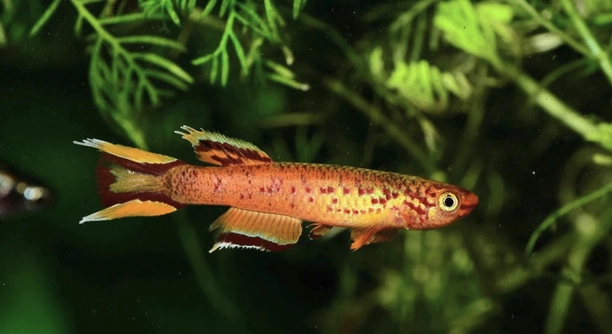
Breeding killifish indoors is a rewarding hobby for many fish enthusiasts. These colorful, small fish have unique breeding habits that can be easily managed at home. With the right care, you can successfully raise healthy fry in your own tank.
Successfully breeding killifish indoors requires attention to water conditions, tank setup, and providing suitable spawning materials. Maintaining stable temperature and clean water, along with proper feeding, encourages breeding behavior and healthy offspring development.
Understanding these basics will help you create the best environment for your killifish to thrive and reproduce successfully. The following tips offer clear guidance for each step of the process.
Choosing the Right Tank Setup
Creating the right tank environment is essential for breeding killifish indoors. A small aquarium, about 10 gallons, works well for most species. The tank should have a secure lid to prevent jumping. Adding soft substrate like peat moss or sand helps mimic their natural habitat. Include plants or spawning mops where the fish can lay eggs safely. Keep the tank away from direct sunlight to avoid temperature fluctuations. It’s important to provide gentle filtration and regular water changes to maintain clean water without disturbing the eggs. The water temperature should stay stable, usually between 72 and 78 degrees Fahrenheit, depending on the species. Proper tank setup supports the fish’s comfort and encourages natural breeding behavior.
Maintaining stable water quality and temperature is key for the health of the fish and their eggs.
Keeping a quiet environment around the tank reduces stress for the fish, which helps them feel safe enough to breed. Avoid sudden changes in lighting or noise. Use a sponge filter or gentle air-driven filter to avoid strong currents that can harm the eggs or fry. Regular monitoring of water parameters like pH, ammonia, and nitrites ensures the water remains healthy. Preparing the tank carefully creates a suitable space that encourages breeding and protects the delicate eggs.
Feeding and Conditioning Killifish
Proper feeding is important to condition killifish for breeding. They need a diet rich in live or frozen foods such as brine shrimp, daphnia, and bloodworms. These foods provide the nutrients needed for spawning readiness and good egg quality. Feed small amounts multiple times a day to keep the fish healthy without polluting the water. Avoid overfeeding, as leftover food can harm water quality. A balanced diet boosts the fish’s energy and improves breeding success. Conditioning the fish for two to three weeks before breeding increases the chances of spawning.
Offering a varied, nutrient-rich diet ensures the fish develop strong eggs and healthy offspring.
High-quality food stimulates natural breeding behavior and strengthens the fish’s immune system. Using live foods also helps the fish develop their hunting skills, which can lead to better overall health. It’s helpful to observe the fish during feeding to ensure all are eating well and showing signs of readiness. Conditioned killifish are more likely to lay eggs consistently and produce viable fry. Consistency in diet and feeding schedule creates a stable environment for breeding success.
Selecting Healthy Breeding Pairs
Choosing healthy, mature killifish is important for successful breeding. Look for active fish with bright colors and no signs of illness. Males are usually more colorful, while females tend to be plainer but fuller-bodied.
Healthy fish are more likely to spawn and produce strong fry. Avoid fish that appear stressed or have damaged fins. Introducing pairs that have been kept separately can encourage breeding behavior. Keep one male with a few females to reduce aggression. Monitor their interaction closely to prevent harm. Selecting the right pair helps create a stable breeding environment and increases the chances of successful spawning.
If you notice any health issues, isolate affected fish immediately to prevent spreading disease. It’s better to wait for healthy fish to breed than to risk poor results.
Creating a Safe Spawning Environment
Killifish often prefer to lay eggs in soft, fine-leaved plants or spawning mops. Providing these materials gives the female places to deposit eggs safely. Remove the plants or mop after spawning to protect eggs from being eaten.
A calm and quiet tank encourages natural spawning behavior. Keep lighting dim and maintain steady water temperature to reduce stress. It helps to simulate their natural seasonal cycles by gradually changing water temperature or light over weeks. This signals the fish to start breeding.
Eggs typically hatch in about two weeks. After spawning, transferring eggs to a separate container can improve survival rates. Carefully monitor water conditions and keep the eggs clean to prevent fungus. Creating the right environment protects the eggs and supports healthy fry development.
Monitoring Water Conditions
Maintaining stable water parameters is crucial for killifish breeding success. Regularly test for pH, ammonia, nitrites, and nitrates to keep the tank environment safe. Sudden changes can stress the fish and affect egg viability.
Aim for a slightly acidic to neutral pH, around 6.0 to 7.0, depending on the species. Keep ammonia and nitrites at zero and nitrates low through frequent water changes. Stable conditions help promote healthy fish and eggs.
Removing Adults After Spawning
Once eggs are laid, removing the adult killifish prevents them from eating the eggs. Place the adults in a separate tank to protect the developing embryos. This step increases the chances of egg survival significantly.
Caring for Fry
Killifish fry are delicate and require clean, well-oxygenated water. Feed them tiny live foods like newly hatched brine shrimp or infusoria. Regular water changes and gentle filtration help maintain a safe environment for their growth.
FAQ
How long does it take for killifish eggs to hatch?
Most killifish eggs hatch within 10 to 14 days, depending on the species and water temperature. Warmer water usually speeds up hatching, while cooler water can slow it down. It’s important to keep the water clean and stable during this time to avoid fungus or egg loss.
Can I breed killifish in a community tank?
Breeding killifish in a community tank is not recommended. Other fish may eat the eggs or fry, reducing survival rates. For better results, use a separate breeding tank with carefully controlled conditions and fewer disturbances.
What should I feed killifish fry?
Killifish fry need very small live foods like newly hatched brine shrimp or infusoria. These foods are tiny enough for their mouths and provide essential nutrients for growth. As they grow, you can gradually introduce crushed flakes or finely ground pellets.
How often should I change water during breeding?
Frequent, small water changes are best to maintain water quality without stressing the fish or eggs. Changing about 20% of the water every two to three days helps keep ammonia and nitrates low and ensures a healthy environment.
Can I reuse spawning mops or plants?
It’s best to clean or replace spawning mops and plants after each breeding cycle. Old materials may harbor fungus or bacteria that can harm new eggs. Cleaning also removes leftover eggs and debris, keeping the environment safe.
What temperature is best for breeding killifish?
Most killifish breed well between 72 and 78 degrees Fahrenheit. Some species may require slightly different temperatures, but keeping it stable is more important than hitting an exact number. Sudden temperature changes can cause stress and reduce breeding success.
How do I tell if my killifish are ready to breed?
Mature males will show bright colors and may chase females gently. Females often look fuller in the belly, indicating eggs are developing. Active and healthy behavior usually means they are ready to spawn.
What if my killifish eat their eggs?
If adults eat their eggs, it’s best to remove them immediately after spawning. Using spawning mops or fine-leaved plants can help protect eggs. Transferring eggs to a separate container can also improve survival.
How many eggs do killifish usually lay?
The number of eggs varies by species and size of the female. Some lay as few as 10 to 20 eggs per spawn, while others can lay over 100. Regular feeding and good tank conditions influence egg production.
Can I breed killifish year-round?
Killifish often respond to seasonal changes like temperature and daylight to trigger breeding. However, in a stable indoor environment with proper care, they can breed year-round. Mimicking seasonal cues can improve spawning frequency.
What is the best way to care for killifish fry after hatching?
Keep fry in clean water with gentle filtration. Feed small amounts frequently with appropriate live foods. Avoid overcrowding and maintain stable water conditions. As they grow, increase food size gradually and prepare for transferring them to larger tanks.
Breeding killifish indoors can be a simple and rewarding experience when the right steps are followed. It requires careful attention to tank setup, water conditions, and feeding habits. By choosing healthy fish and providing a safe environment for spawning, you increase the chances of successfully raising fry. Keeping the tank stable and clean plays a big role in ensuring the eggs develop properly without issues like fungus or stress to the adults. Patience is important because the process takes time, and some trial and error may happen along the way.
Consistent care and monitoring help create a good breeding environment. Feeding the fish a nutritious diet with live or frozen foods supports their health and readiness to spawn. After spawning, protecting the eggs from adult fish and maintaining proper water quality is crucial. Fry require special care, such as tiny live foods and gentle filtration, to grow strong and healthy. Paying attention to these details improves survival rates and helps your killifish thrive. Each step builds on the last, so taking time to do things right benefits the entire process.
Understanding killifish behavior and needs makes breeding easier and more enjoyable. Knowing when fish are ready to breed and providing suitable spawning materials can encourage natural behavior. The conditions in your tank should mimic what killifish experience in the wild as much as possible. This means keeping stable temperatures, clean water, and a quiet space. While it may seem complex at first, following simple guidelines helps remove guesswork. With steady care and attention, breeding killifish indoors can become a rewarding part of your fishkeeping routine.

Hello,
If you enjoy the content that we create, please consider saying a "Thank You!" by leaving a tip.
Every little bit helps us continue crafting quality advice that supports the health, happiness, and well-being of pets around the world, for pets of all shapes, sizes, and species.
We really appreciate the kindness and support that you show us!