
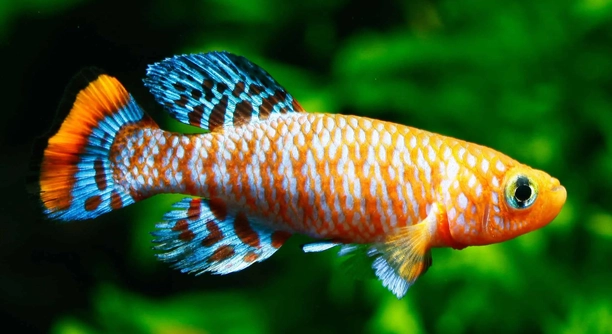
Killi fry are tiny fish that need safe places to hide in their environment. Providing the right hiding spots helps keep them healthy and comfortable. This article shares practical ideas for protecting these delicate creatures.
Safe hiding spots for killi fry include dense aquatic plants, moss mats, floating vegetation, and fine-leaved plants. These areas offer shelter from predators, reduce stress, and create ideal conditions for growth and survival. Proper hiding spaces are essential for their wellbeing.
Knowing where to place these safe zones can improve the chances of fry thriving in your aquarium. Small changes can make a big difference in their daily lives and development.
Dense Aquatic Plants
Dense aquatic plants are one of the best hiding spots for killi fry. Plants like Java moss, hornwort, and water sprite provide thick cover where fry can easily hide from predators. These plants create small spaces between their leaves and stems, giving the fry shelter and protection. They also improve water quality by absorbing excess nutrients and producing oxygen, which benefits the entire tank environment. When selecting plants, choose ones that grow quickly and stay dense without requiring much maintenance. Dense plants also help fry feel secure, which reduces their stress and supports healthy growth. Adding these plants to your aquarium can make a big difference in the survival rate of killi fry. Make sure to trim the plants regularly to keep the cover dense and avoid dead material that can harm water quality.
Dense plants help fry stay safe and calm in their habitat.
Besides protection, dense plants support breeding behavior. Adult killifish often lay eggs among these plants, giving the eggs a better chance to develop without being disturbed. The cover also makes it easier for fry to find food and hide from tankmates that might view them as prey. Keeping a good balance of plants ensures the tank stays healthy and fry-friendly throughout their early life stages.
Floating Vegetation
Floating plants offer shade and hiding places near the water surface. They reduce light intensity and provide a safe area for fry to rest and avoid detection. Common floating plants include duckweed, salvinia, and frogbit. These plants are easy to care for and can multiply quickly, creating a natural canopy over the tank. Floating vegetation slows water movement, which helps fry stay in calmer areas where they can feed and grow without stress. Keeping some floating plants in your aquarium mimics the fry’s natural habitat and improves their chances of survival.
Floating plants protect fry from predators and harsh light.
These plants create a natural environment that benefits both fry and adult fish. They also help reduce algae growth by limiting sunlight penetration. Maintaining floating vegetation requires occasional thinning to prevent overcrowding and to keep oxygen levels balanced. This simple addition can greatly enhance the safety and comfort of your killi fry.
Moss Mats
Moss mats provide excellent cover for killi fry. They create a dense, textured surface where fry can hide and find small food particles. Moss also helps improve water quality by absorbing nitrates and offering additional oxygen.
Moss mats, such as Java moss or Christmas moss, can be placed on rocks or driftwood in the tank. They grow densely and create many tiny crevices that fry love to explore. The mats slow down water flow, giving fry calmer spots to swim and rest. Moss mats also trap uneaten food, which becomes an easy meal for the fry. This natural feeding opportunity supports their growth and survival in the early stages.
Keeping moss mats healthy requires regular trimming to avoid decay and to maintain dense coverage. It’s important to remove dead bits because they can lower water quality. With proper care, moss mats provide a safe, food-rich environment that significantly benefits killi fry in both planted and simple aquariums.
Fine-Leaved Plants
Fine-leaved plants like Cabomba or Myriophyllum offer delicate hiding places for fry. Their thin leaves create a natural screen that fry can slip between, staying safe from larger fish. These plants add texture and complexity to the tank environment.
These plants grow quickly and help oxygenate the water, promoting a healthier habitat. Their fine leaves also reduce water currents, allowing fry to conserve energy. Additionally, these plants can catch tiny particles of food, making it easier for fry to find nourishment. While they require moderate light and nutrients, their benefits outweigh the effort. Fine-leaved plants contribute to a balanced tank ecosystem where fry feel secure and can grow steadily. Regular maintenance includes trimming and ensuring good water circulation to keep plants healthy and thriving.
Driftwood Crevices
Driftwood creates natural hiding spots with its cracks and crevices. These small spaces offer fry protection and places to rest away from stronger swimmers.
The wood also encourages beneficial bacteria growth, which helps keep the tank environment healthy. Placing driftwood strategically in the tank adds shelter and structure without overcrowding the space.
Leaf Litter
Leaf litter mimics the natural environment of many killifish. It provides shelter and a surface for microorganisms that fry feed on, supporting their nutrition.
Regularly adding dried leaves like Indian almond leaves creates a soft substrate that helps maintain water quality by releasing tannins. These leaves slowly break down, offering ongoing benefits to the tank ecosystem and its inhabitants.
Rock Caves
Rock caves make secure spots where fry can hide from predators and reduce stress. These caves are easy to create with small, smooth stones stacked to form sheltered areas.
Rock caves also add visual interest and structure to the aquarium. Make sure they are stable to avoid any accidents. Fry benefit from the calm, protected spaces created by these caves, improving their survival chances in a community tank.
What are the best plants to use as hiding spots for killi fry?
The best plants for killi fry hiding spots are those with dense foliage and fine leaves. Java moss, hornwort, and water sprite are great choices because they provide thick cover and many small spaces for fry to hide. Floating plants like duckweed and frogbit also offer shade and reduce light intensity, creating calm areas near the surface. Fine-leaved plants such as Cabomba or Myriophyllum add delicate hiding places. These plants not only offer shelter but also improve water quality by producing oxygen and absorbing nutrients. Choosing a mix of these plants helps create a safe, natural environment that supports fry growth and reduces stress.
How do moss mats help killi fry survive?
Moss mats are excellent because they create a dense, textured surface where fry can find shelter and food. The mats trap small food particles and slow water currents, making it easier for fry to swim and feed. They also encourage the growth of beneficial microorganisms that fry eat. Moss mats help maintain water quality by absorbing nitrates and providing additional oxygen. Regular trimming is important to keep the moss healthy and dense. When cared for properly, moss mats provide both protection and nutrition, significantly increasing fry survival chances.
Can floating plants really protect fry from predators?
Yes, floating plants offer valuable protection. They create shaded areas that reduce light, making fry less visible to predators. The floating canopy slows water movement, giving fry calmer zones where they can rest and feed safely. Floating plants also help control algae by limiting sunlight, which improves water quality. Because these plants multiply quickly and require little care, they are an easy and effective way to enhance fry safety in the aquarium.
How important is water quality for killi fry hiding spots?
Water quality is crucial for any hiding spot to be effective. Even the best plants or decorations won’t help if water conditions are poor. Clean, well-oxygenated water supports healthy plant growth and prevents harmful bacteria or fungi from developing in hiding places. Regular water changes and monitoring of parameters like ammonia, nitrite, and nitrate keep the environment safe. Healthy water encourages fry to stay active and grow, making their hiding spots truly beneficial.
Are artificial hiding spots good for killi fry?
Artificial hiding spots can be useful, especially if natural plants aren’t available or practical. Plastic plants, caves, or small decorations with crevices provide shelter. However, artificial options don’t improve water quality or provide food like live plants do. They can be easier to clean but may not fully replicate the natural conditions that fry need. It’s best to combine artificial items with live plants for a balanced and effective setup.
How often should hiding spots be maintained or cleaned?
Hiding spots require regular care to stay safe and effective. Plants need trimming to prevent overgrowth and decay, which can pollute water. Moss mats should be trimmed to remove dead parts. Floating plants might need thinning to avoid overcrowding. Decorations like driftwood and rock caves should be checked for algae buildup or debris. Cleaning should be gentle to avoid disturbing fry. A good routine is to inspect hiding spots weekly and do light maintenance as needed to keep the environment healthy.
Do hiding spots affect fry feeding behavior?
Yes, hiding spots influence how fry feed. Dense plants and moss mats trap small food particles, making it easier for fry to find meals. Calm areas created by floating plants or moss allow fry to conserve energy while searching for food. Hiding spots reduce stress, so fry feel safer and more willing to feed openly. Providing varied hiding places supports natural feeding behaviors and improves fry growth and survival.
Can adult killifish harm fry even with hiding spots?
Adult killifish can sometimes pose a threat to fry, especially if the tank is small or lacks enough hiding places. Providing dense plants, moss, floating vegetation, and caves reduces this risk by giving fry places to escape. Separating adults from fry or using breeding tanks is ideal. When adults and fry share a tank, carefully monitoring behavior and ensuring ample hiding spots help minimize aggression and improve fry survival chances.
Providing safe hiding spots for killi fry is an important part of keeping these small fish healthy and thriving. When fry feel secure, they are less stressed and more likely to grow properly. Plants, moss mats, floating vegetation, and natural decorations like driftwood and rocks all play a role in creating a comfortable environment. Each hiding spot offers shelter, food sources, and calm places where fry can rest. These areas help protect fry from predators and strong water currents. Making sure your tank has a variety of hiding places gives the fry multiple options to choose from, which improves their chances of survival.
Maintaining the hiding spots is just as important as providing them. Plants need regular trimming to stay dense and healthy. Moss mats should be cleaned of dead parts to avoid polluting the water. Floating plants require occasional thinning so they do not cover the entire surface and block oxygen exchange. Decorations like driftwood and rock caves should be checked for stability and cleaned carefully to prevent algae buildup. Good water quality is also necessary for hiding spots to be effective. Clean water supports healthy plant growth and creates a better overall environment for the fry. Regular water changes and monitoring water parameters help keep the tank safe and comfortable.
Overall, the right hiding spots make a big difference in the wellbeing of killi fry. They offer protection, reduce stress, and provide feeding opportunities. By combining different types of plants and natural materials, you can create a balanced and supportive habitat. This approach increases the likelihood that the fry will grow strong and healthy. Remember to maintain the tank regularly and watch for any signs of trouble. With attention and care, your killi fry will have a much better chance at thriving in your aquarium.

Hello,
If you enjoy the content that we create, please consider saying a "Thank You!" by leaving a tip.
Every little bit helps us continue crafting quality advice that supports the health, happiness, and well-being of pets around the world, for pets of all shapes, sizes, and species.
We really appreciate the kindness and support that you show us!